MFA Design alumni reflect

Corina Coughlan, MFA ‘24
Fellow, Public Policy Lab

Developing human-centered design initiatives to improve public services through conducting user research, developing service design strategies, and collaborating with interdisciplinary teams to prototype and test solutions.

The MFA Design transformed my approach to design and research, encouraging me to ask deeper questions, challenge conventions, and use design as a tool for cultural critique. One of the most rewarding aspects was its interdisciplinary nature, which allowed me to collaborate across university departments and integrate diverse perspectives into my research. This process was instrumental in shaping both my voice as a designer and the direction of my practice.

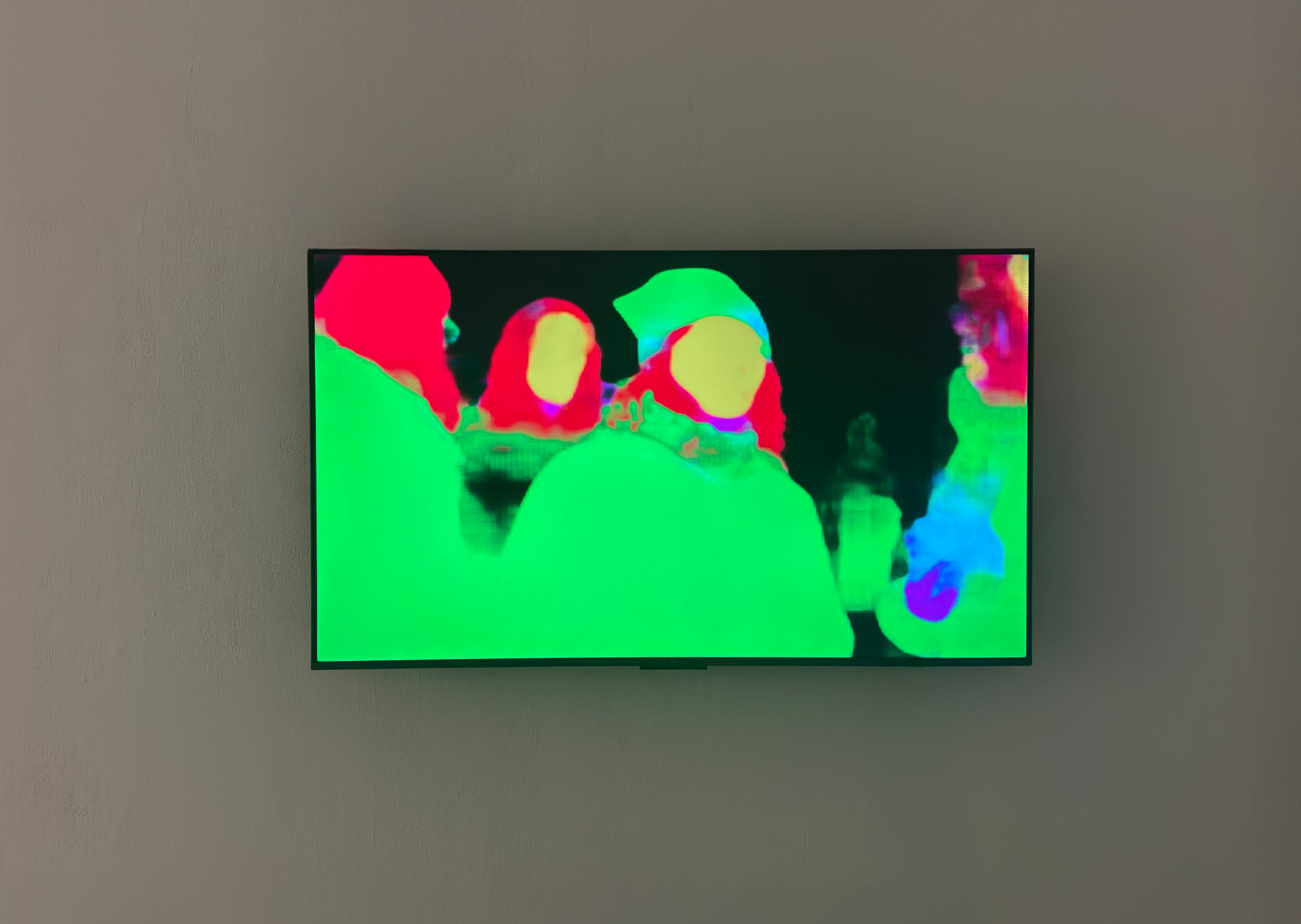
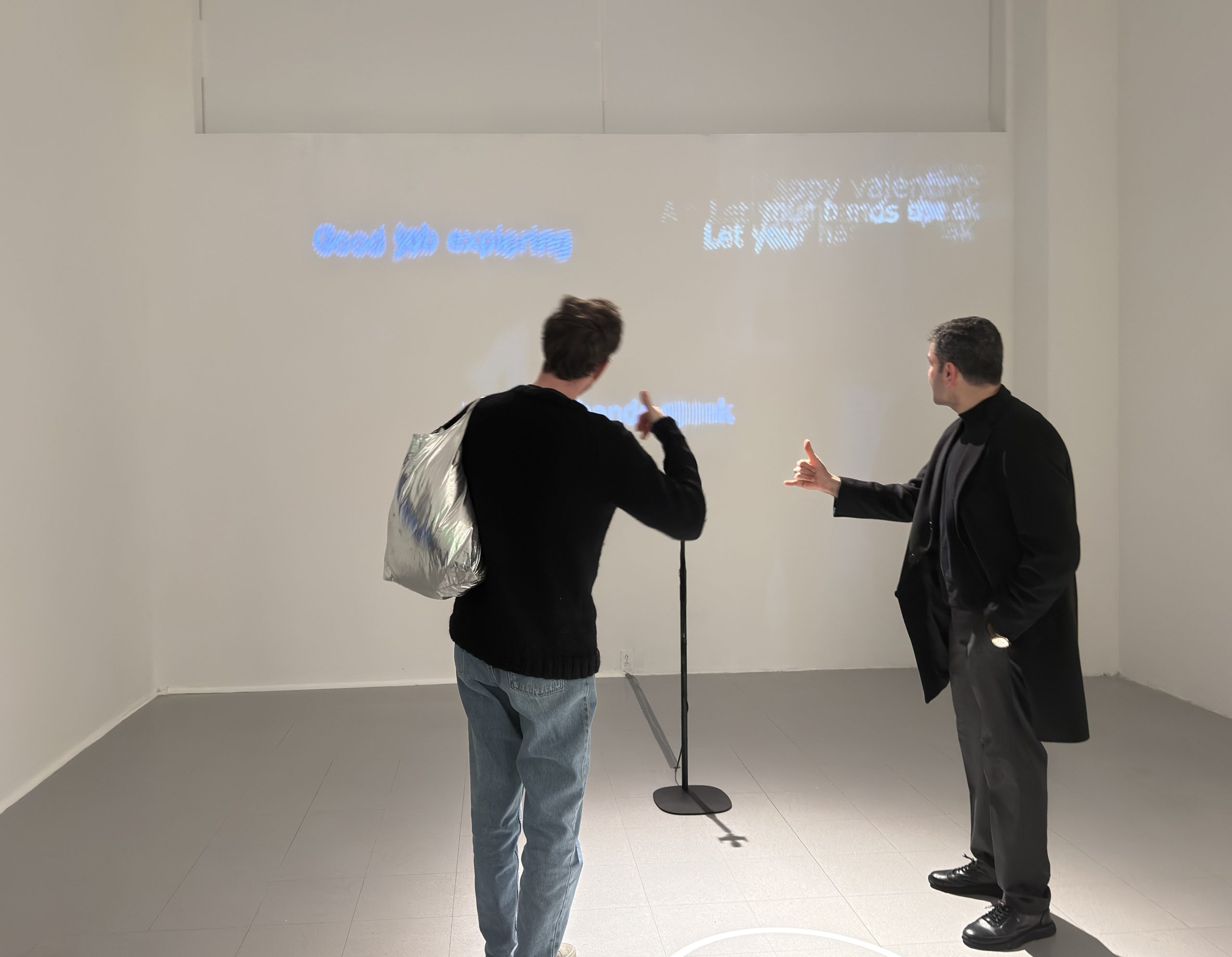
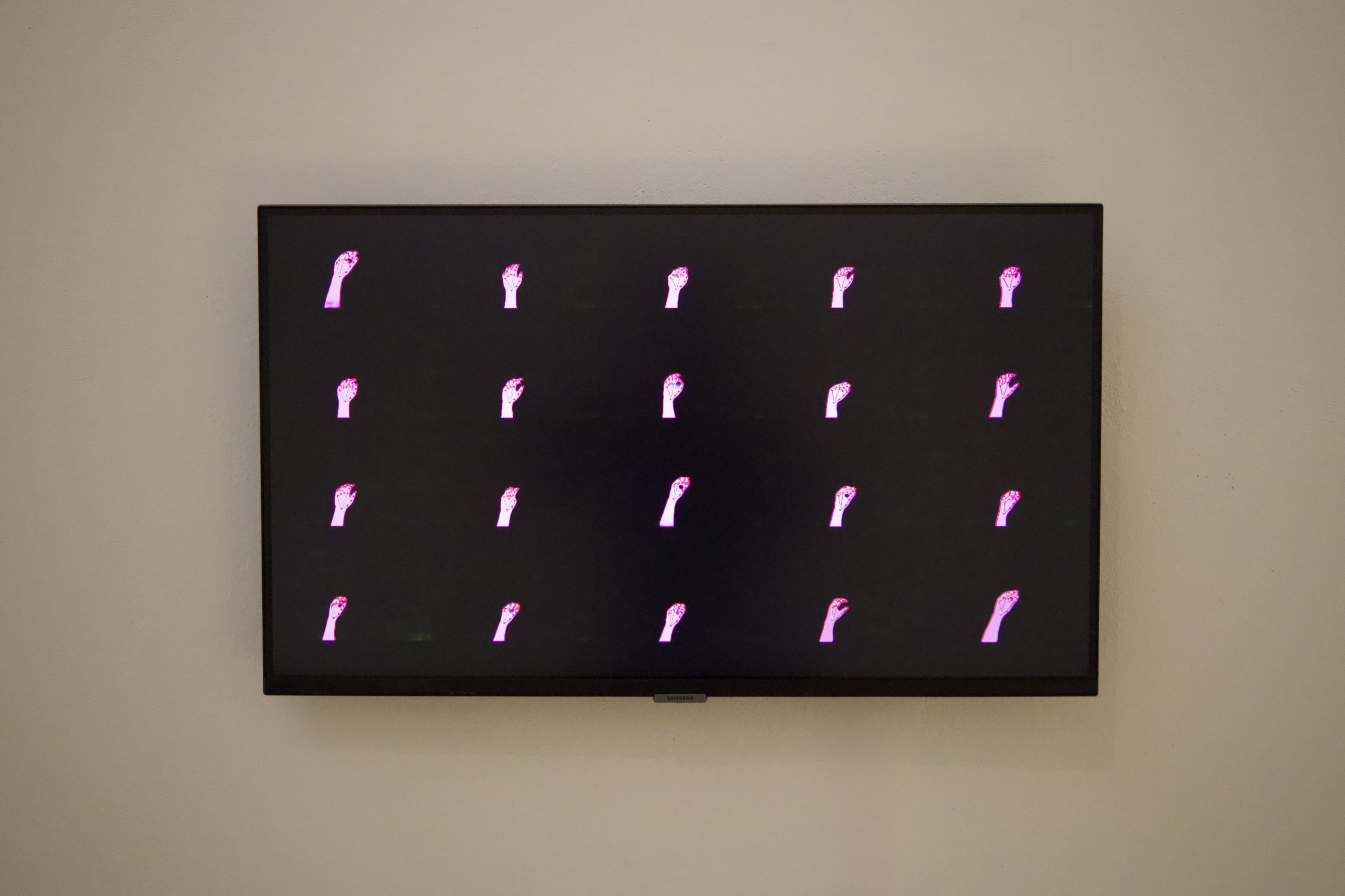
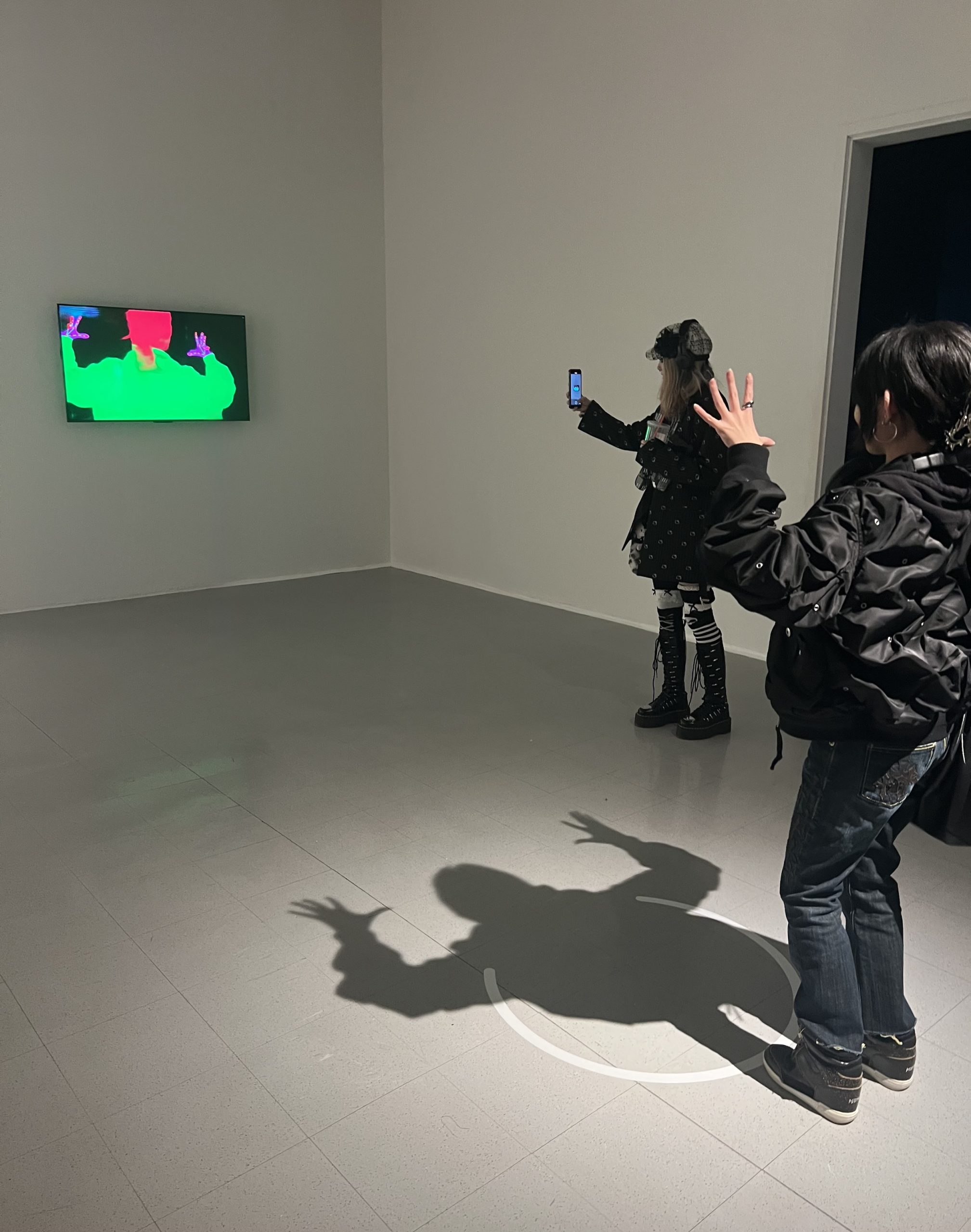
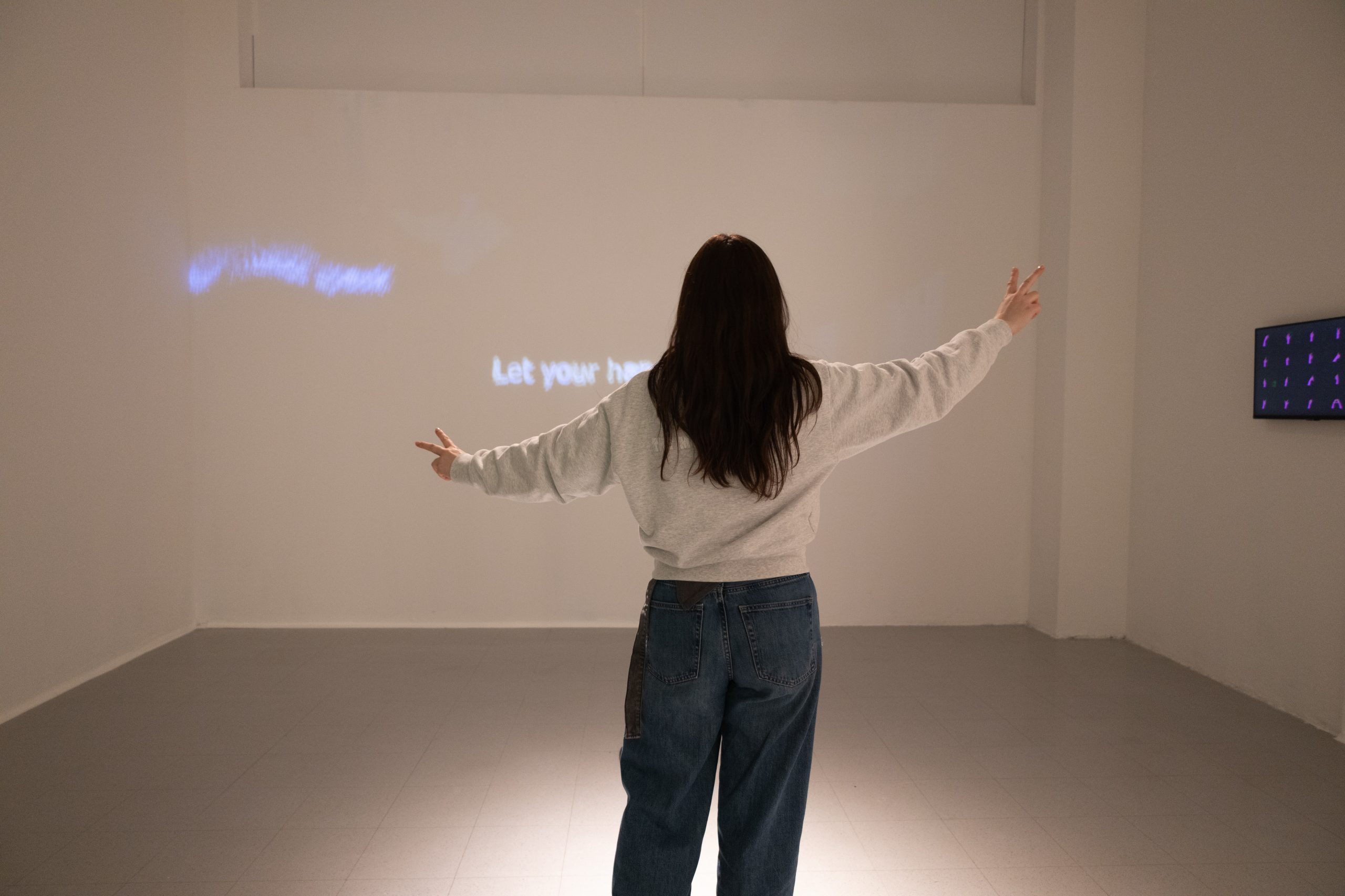
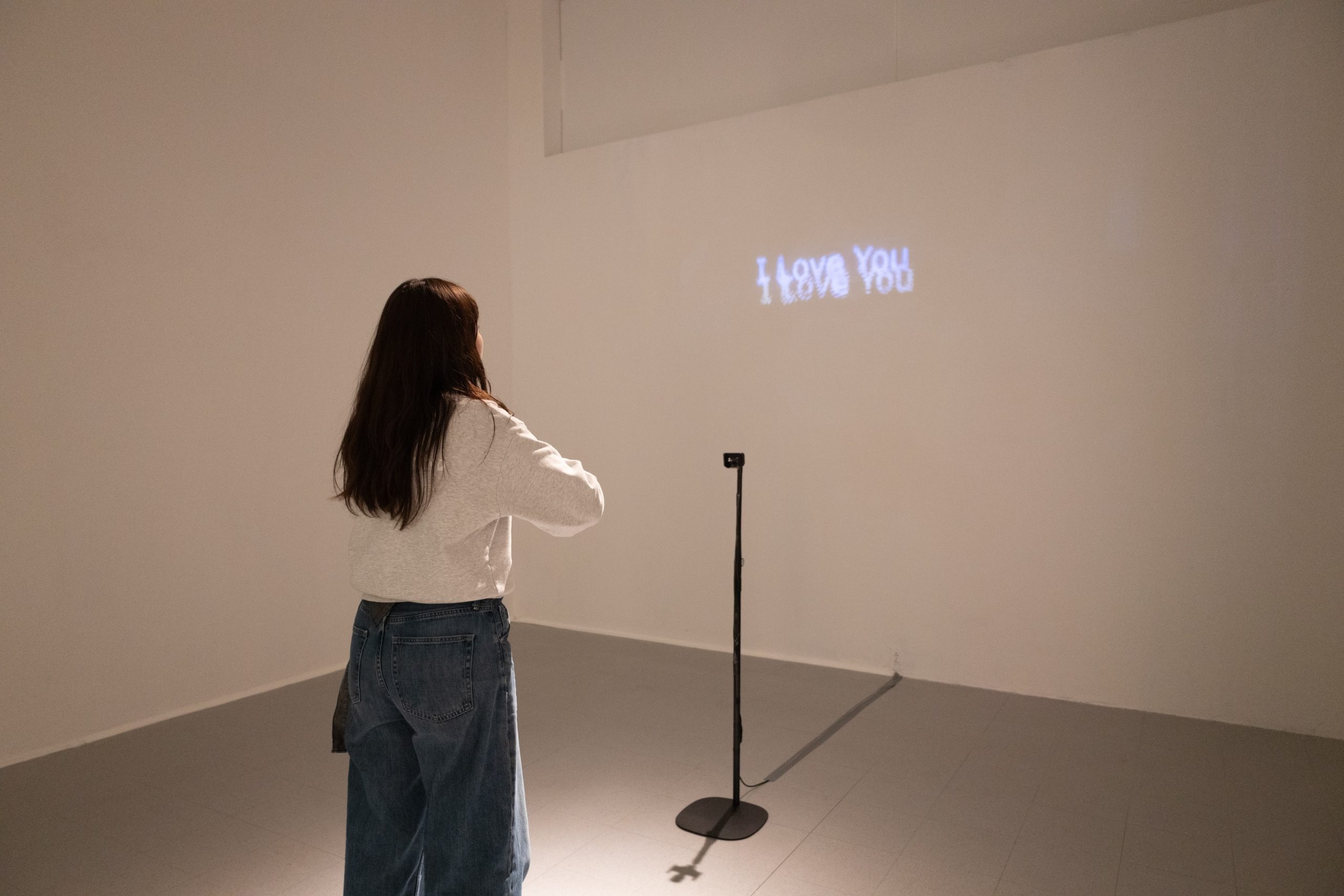
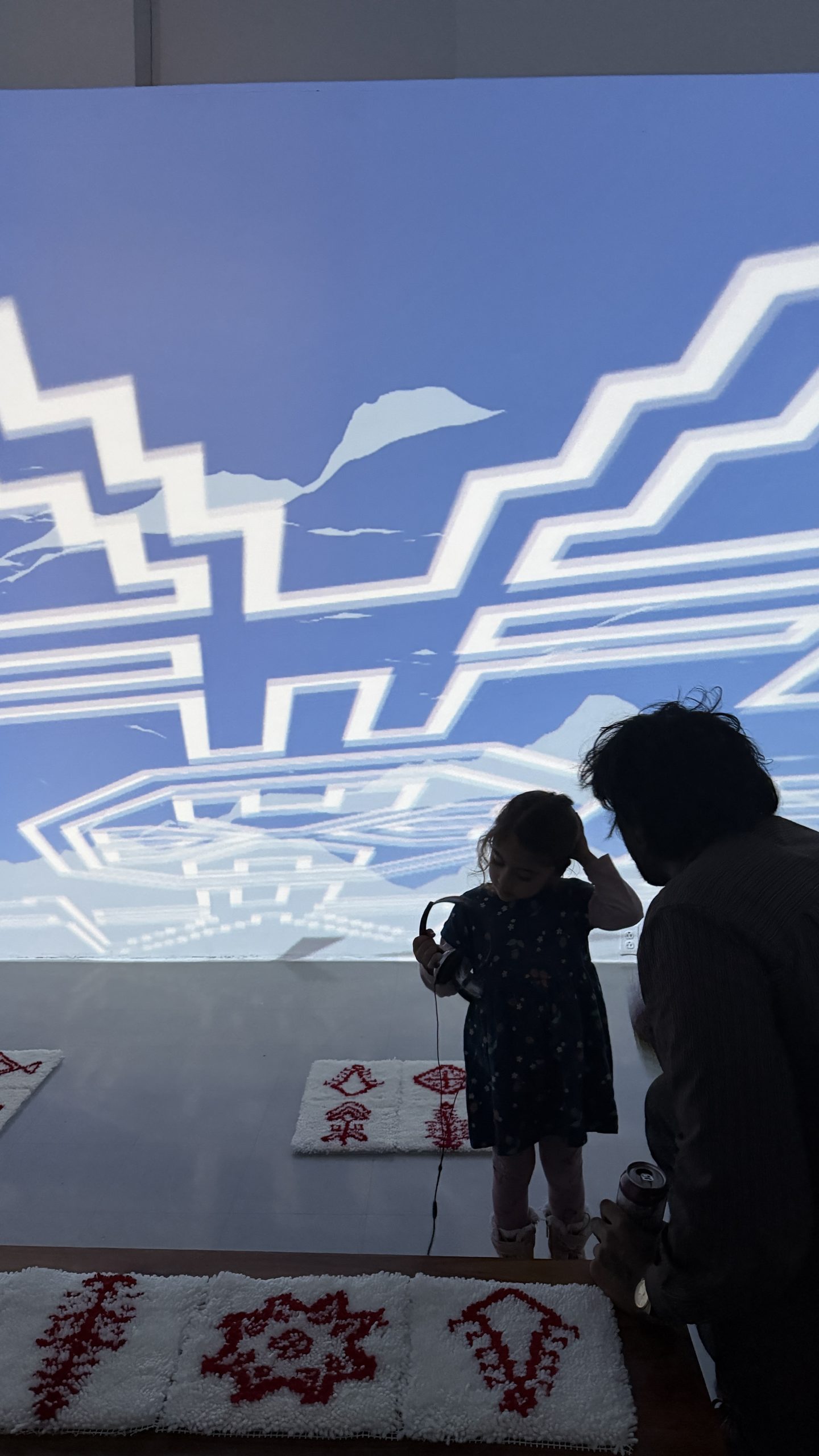
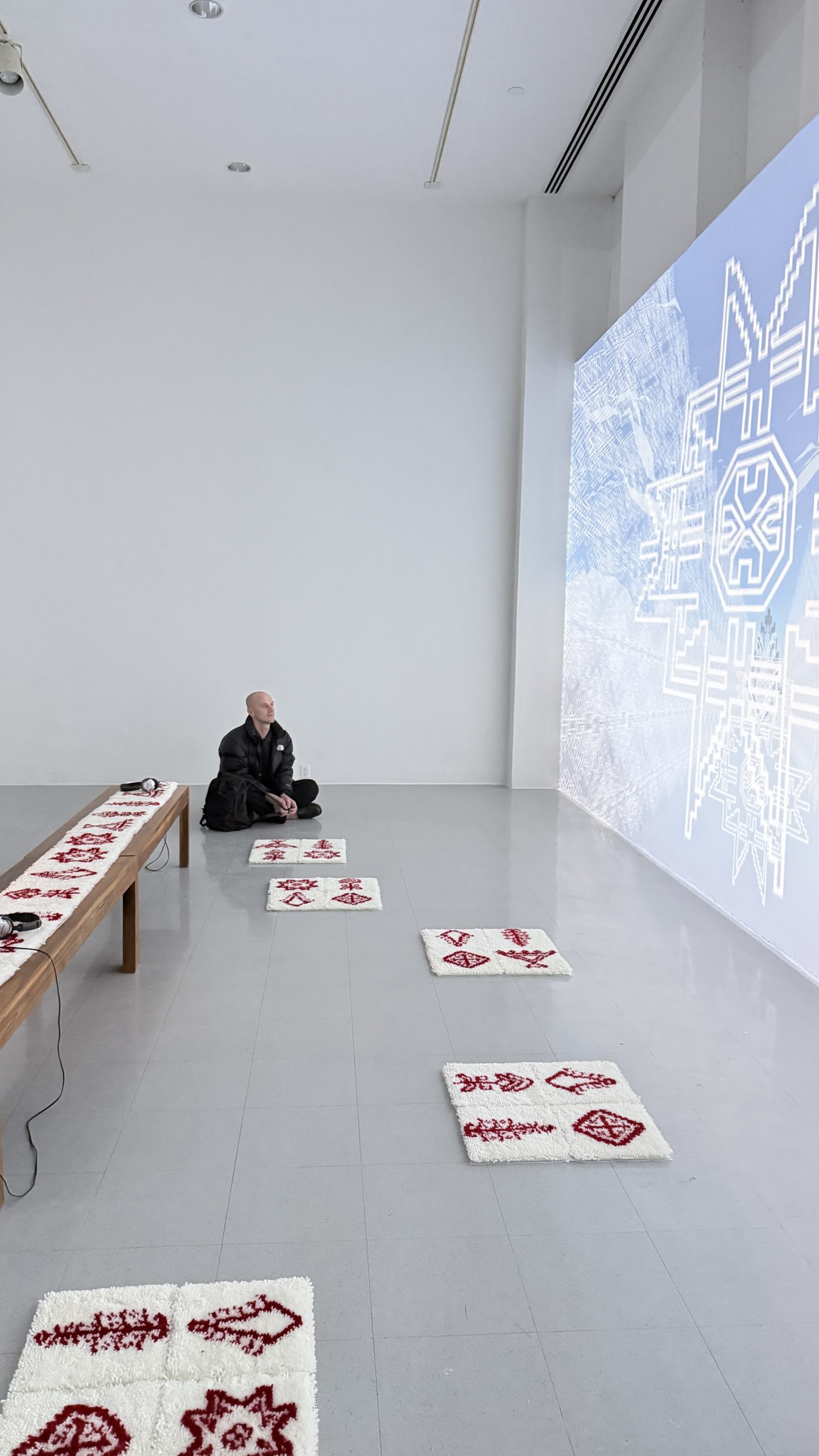
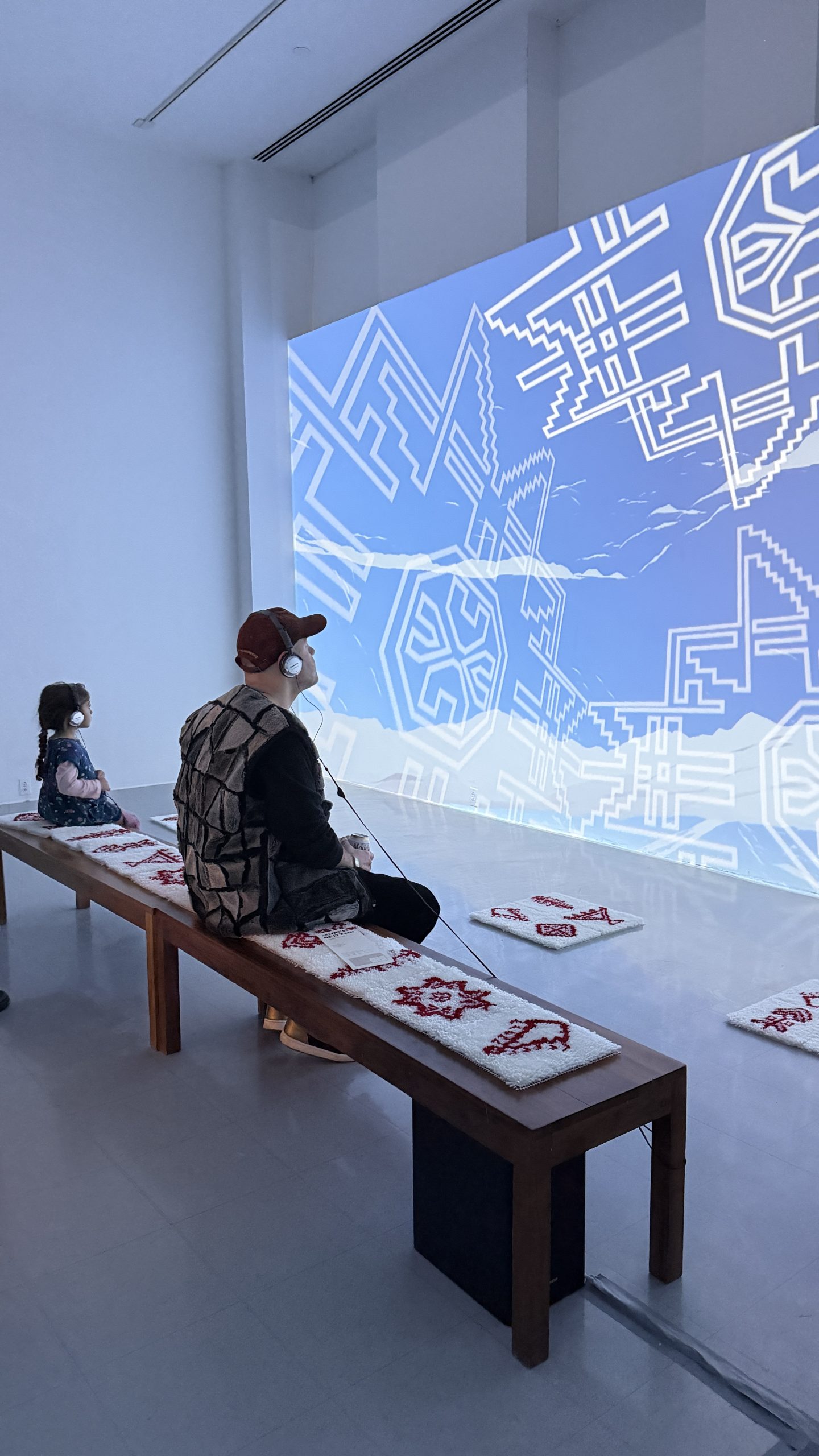
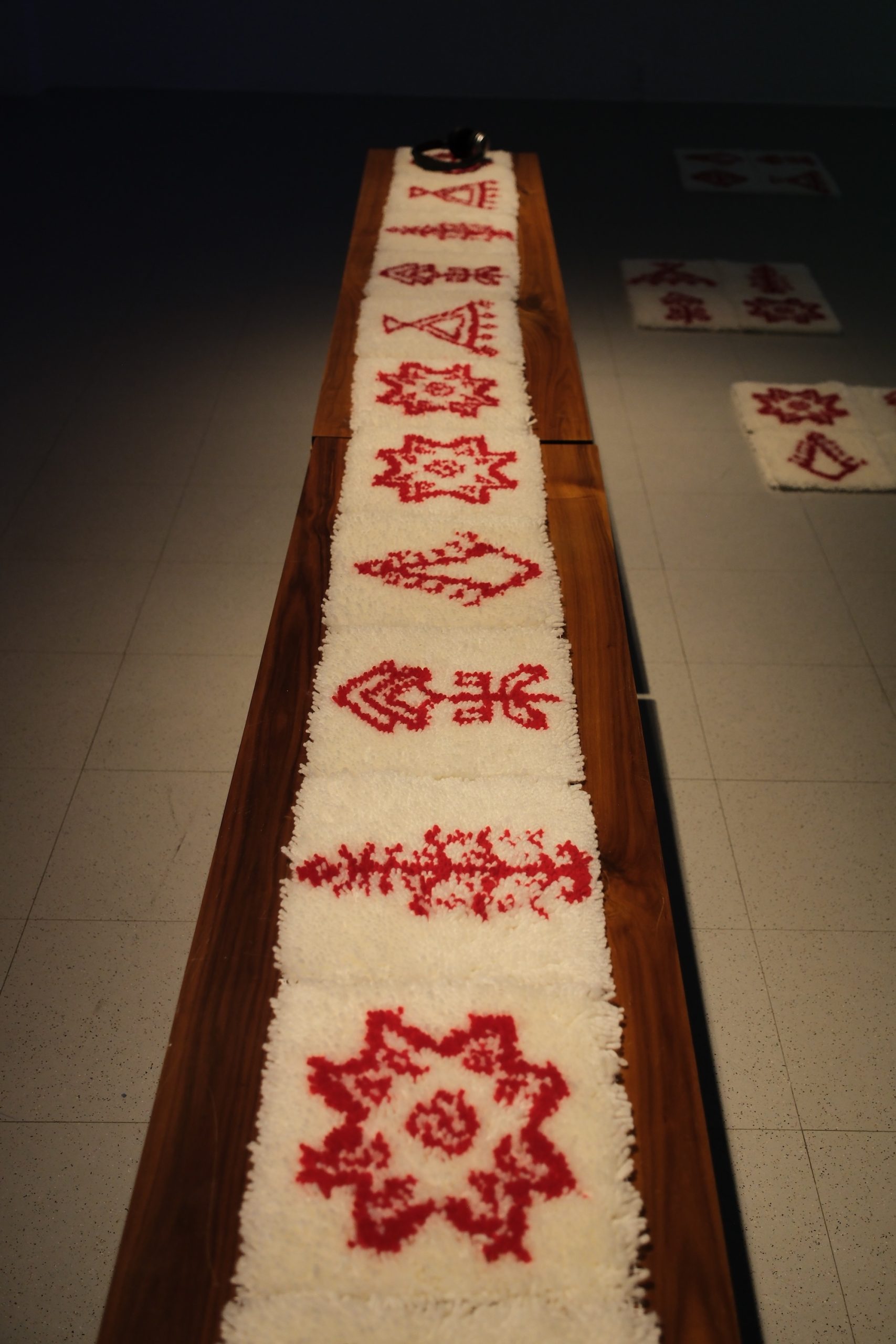
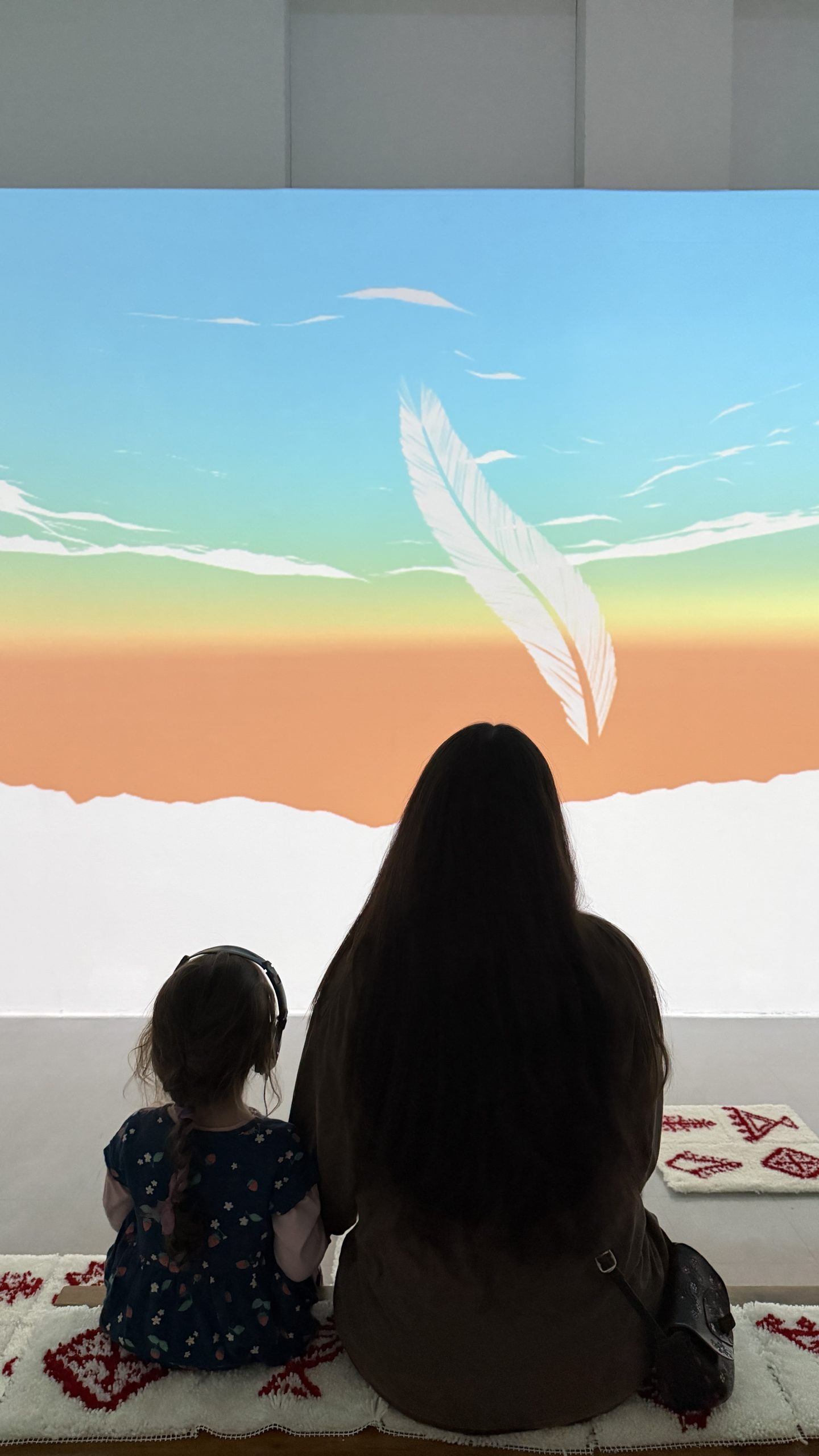
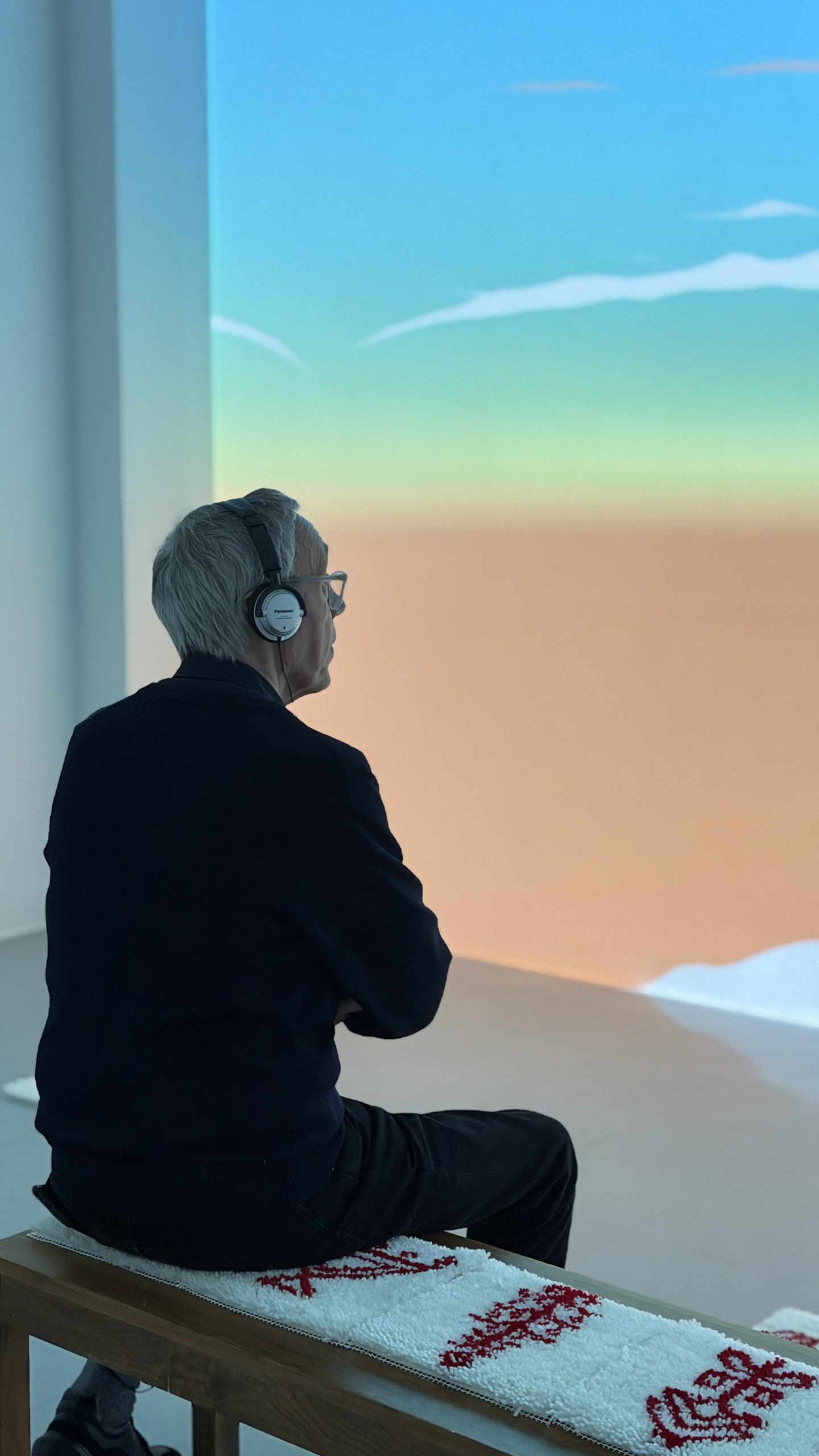
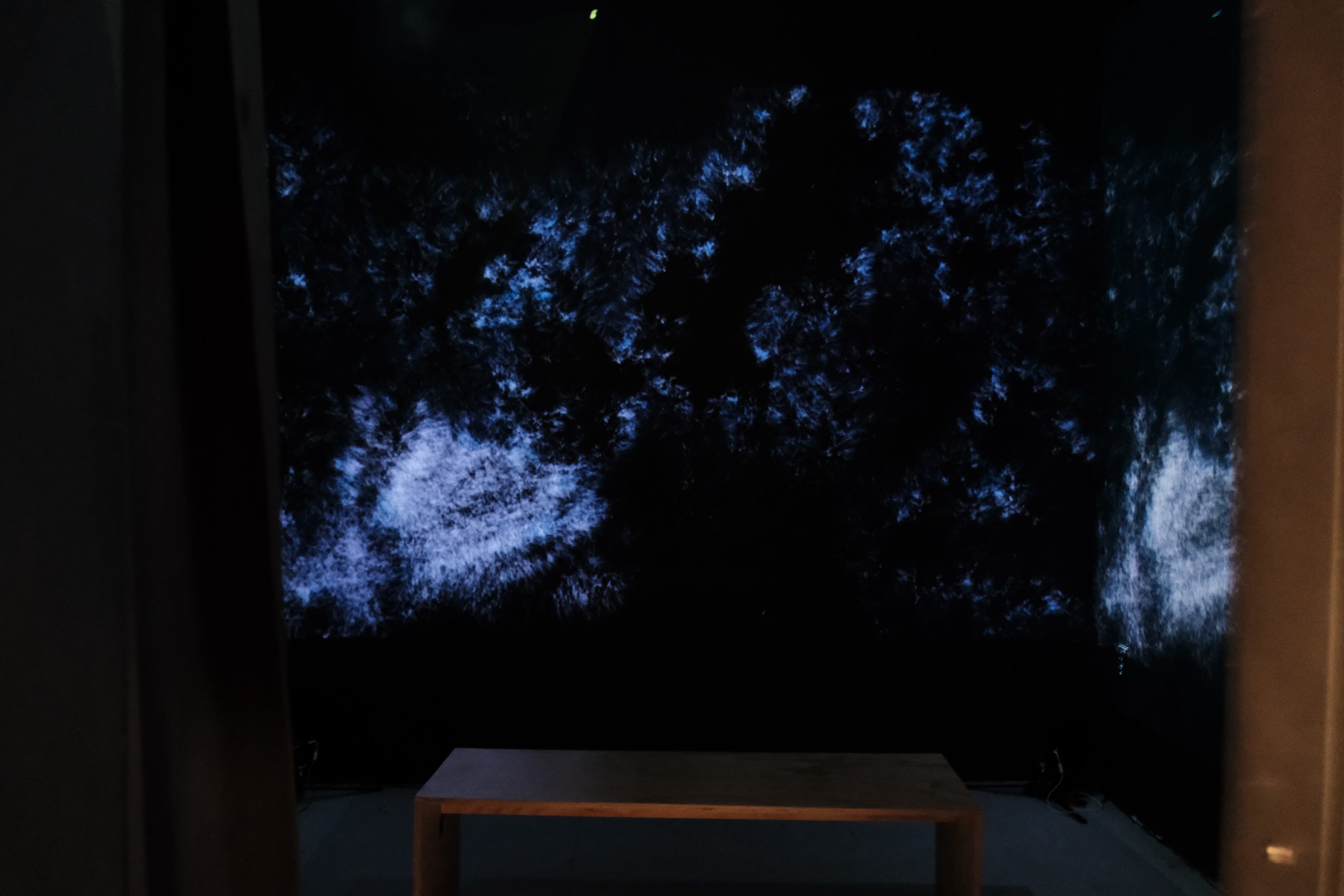
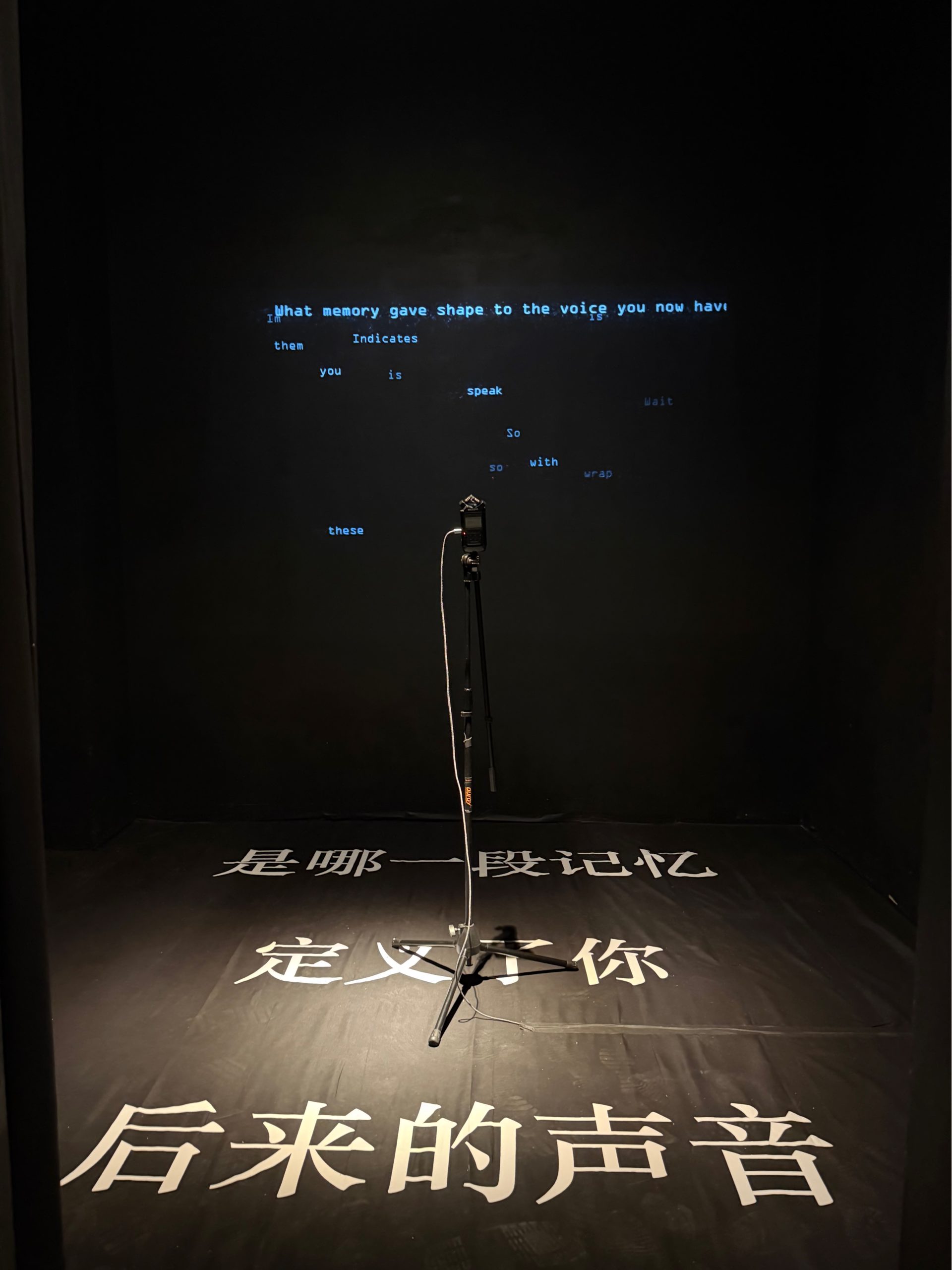
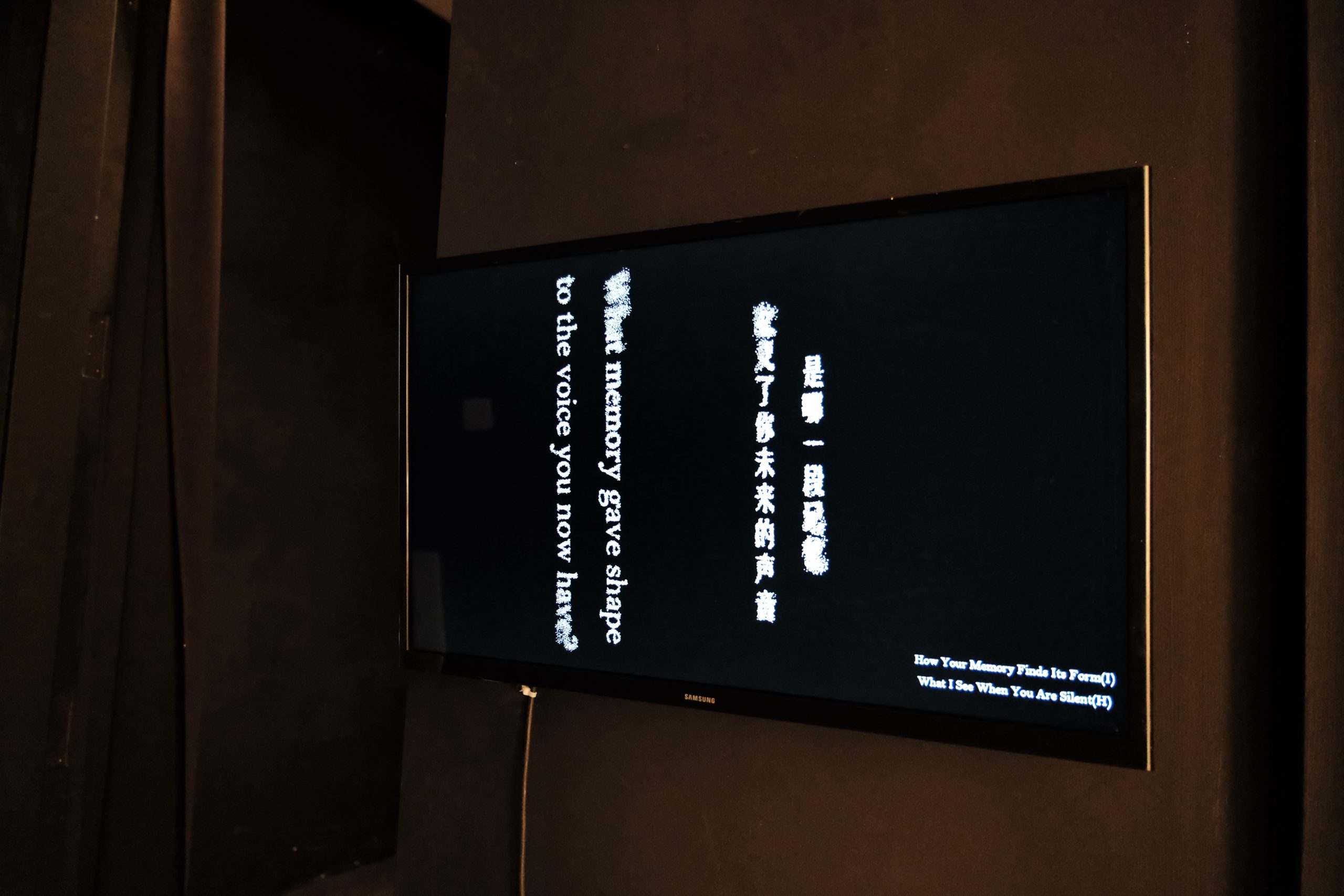
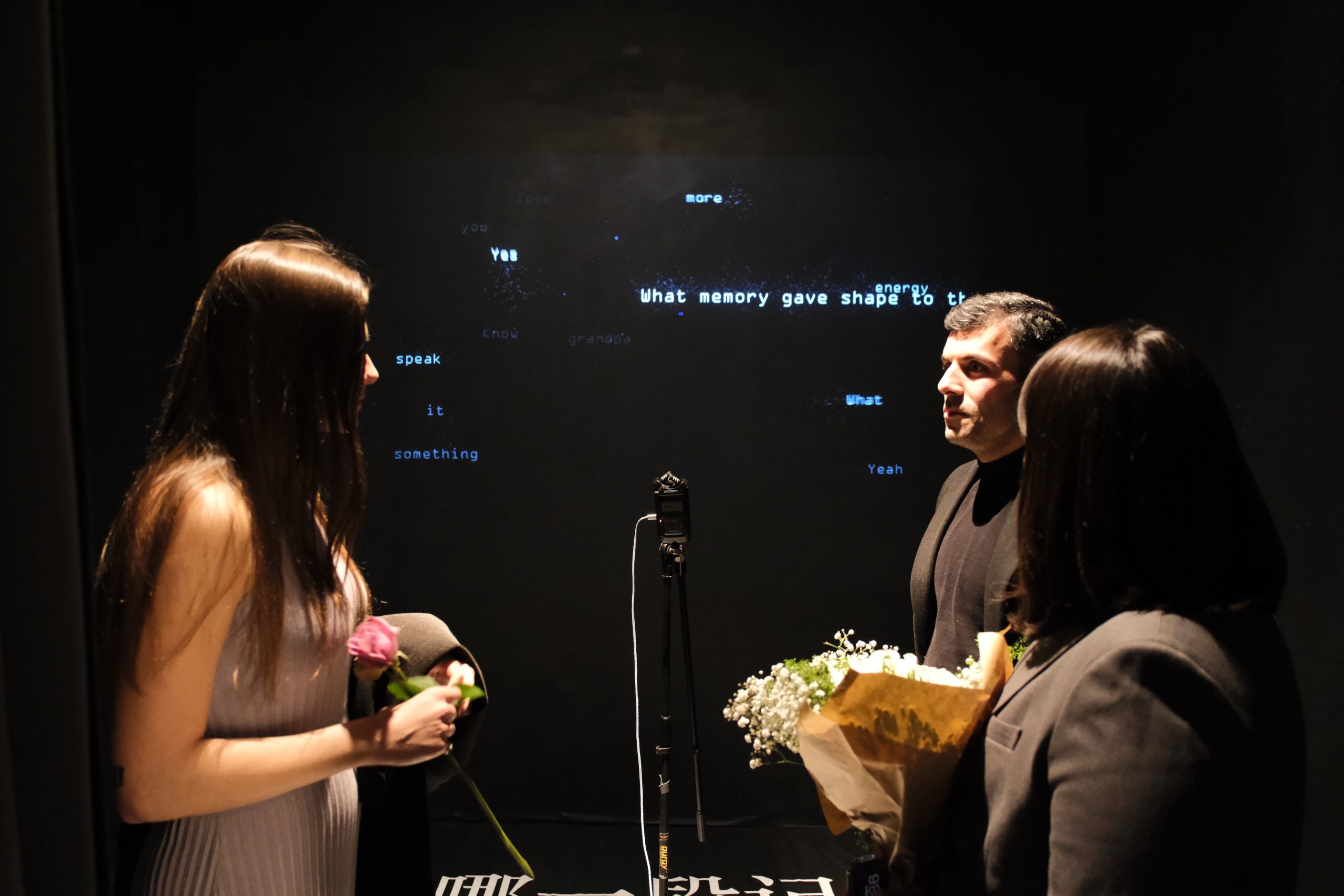
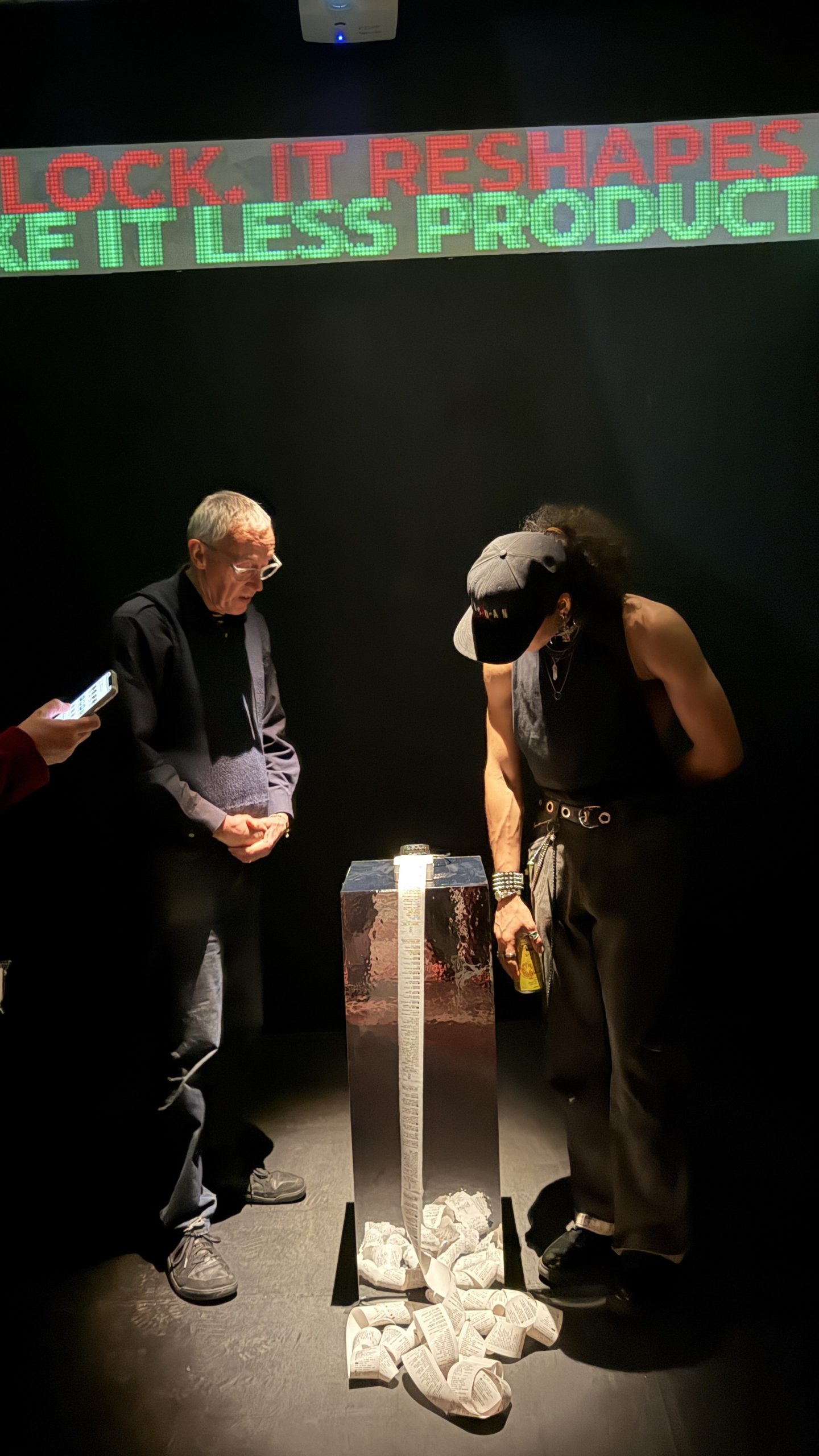
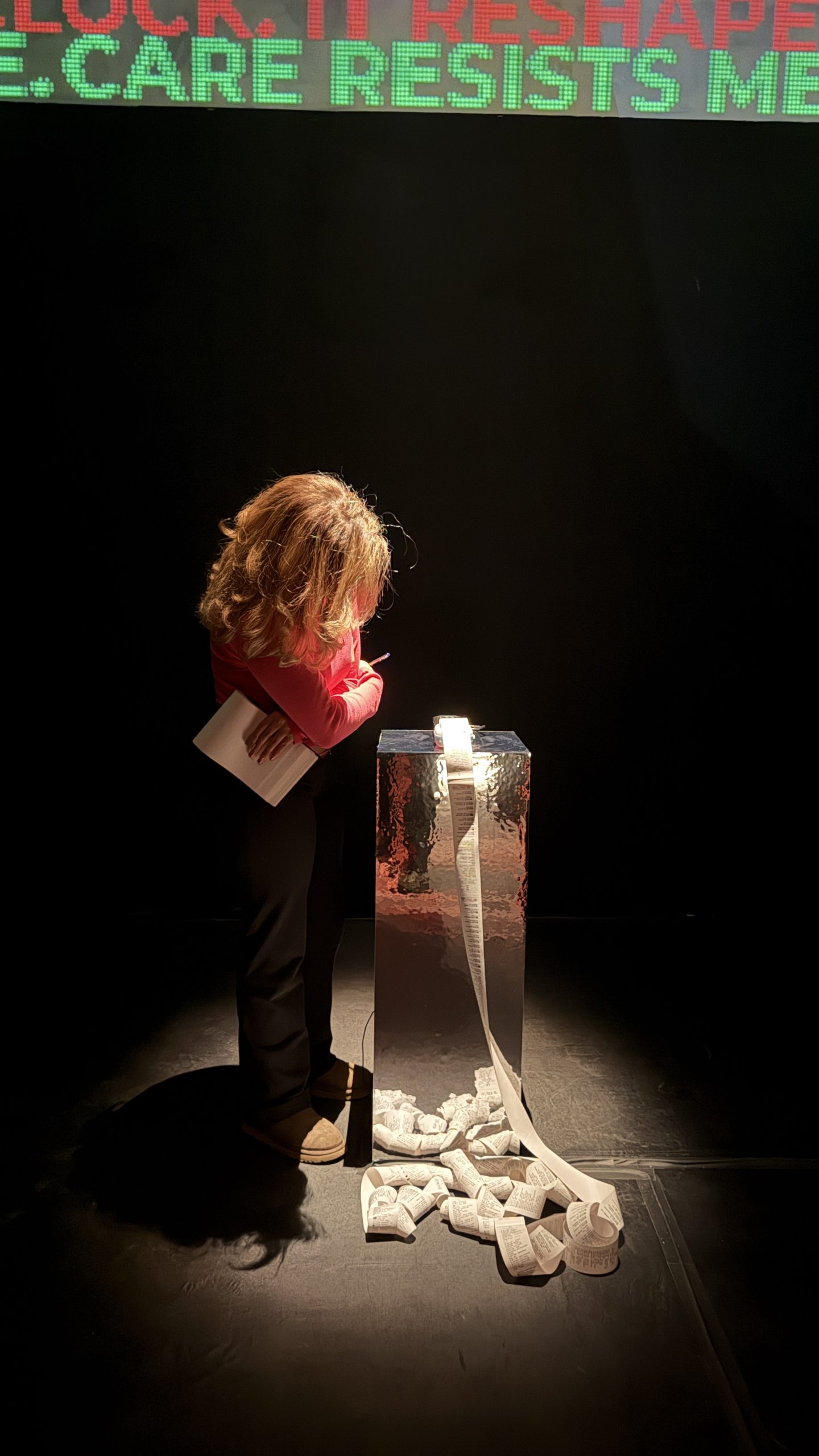
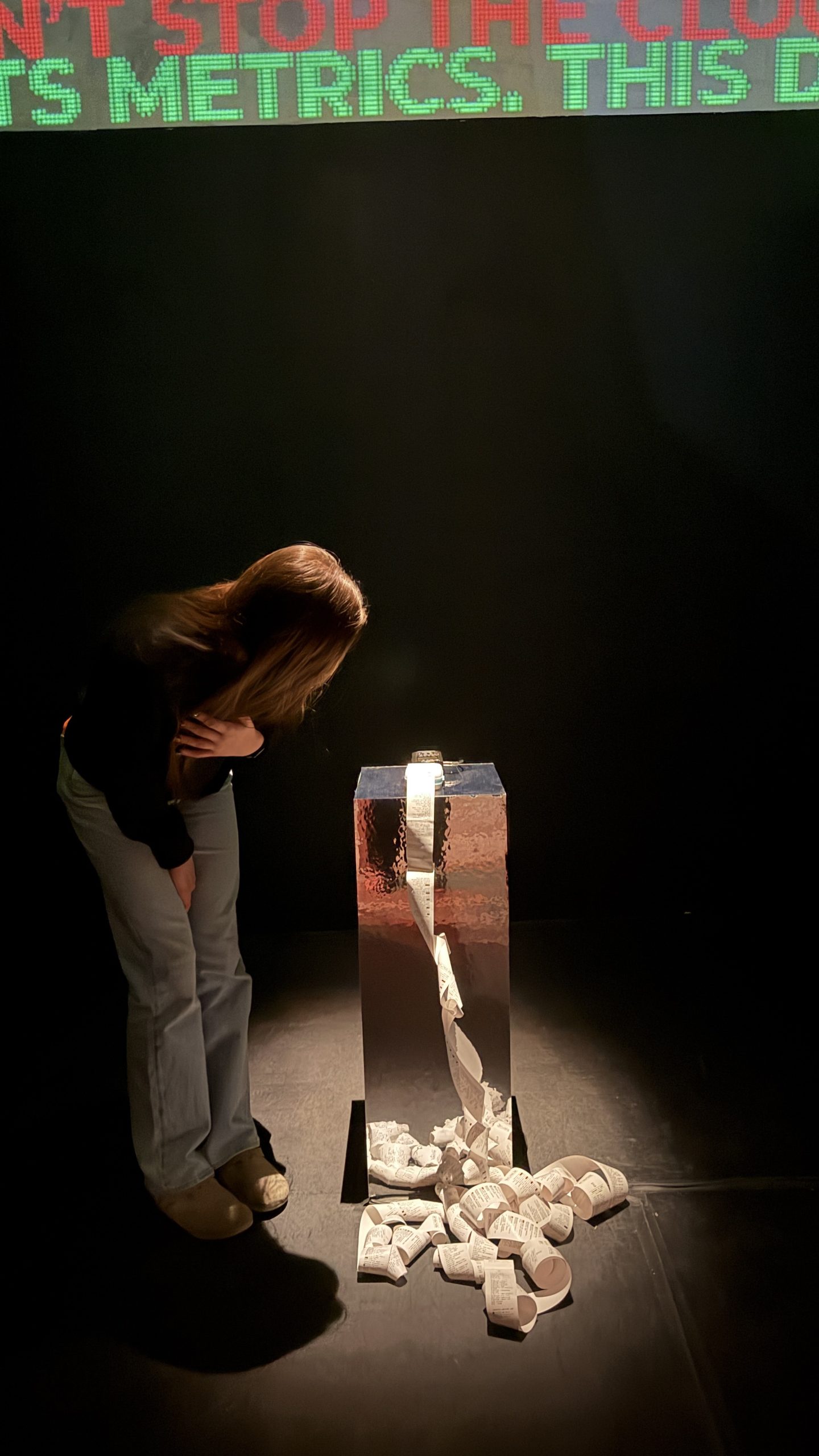
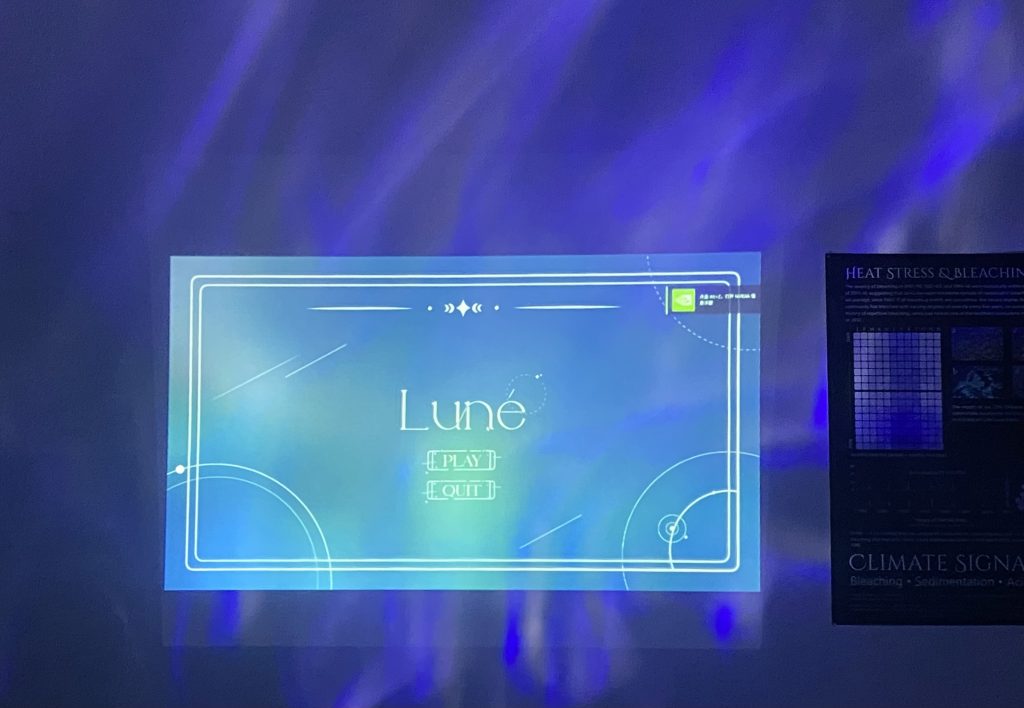
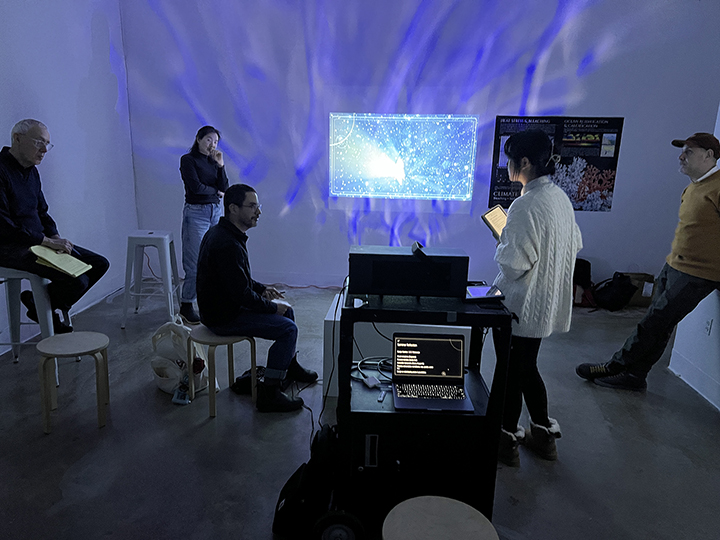
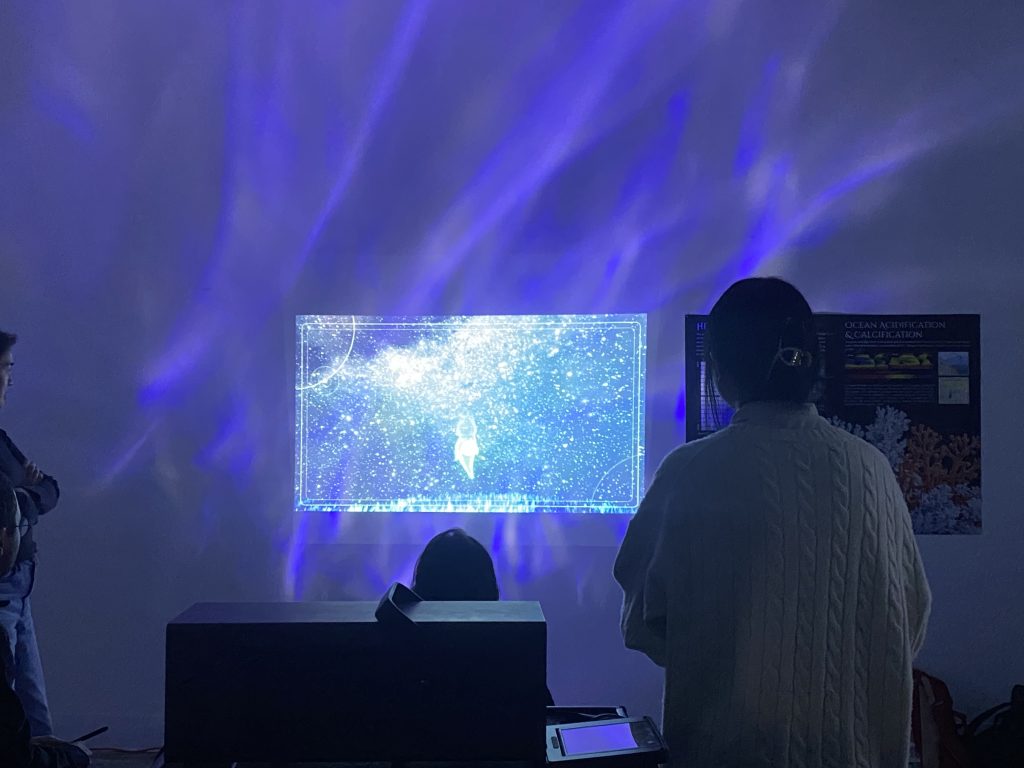
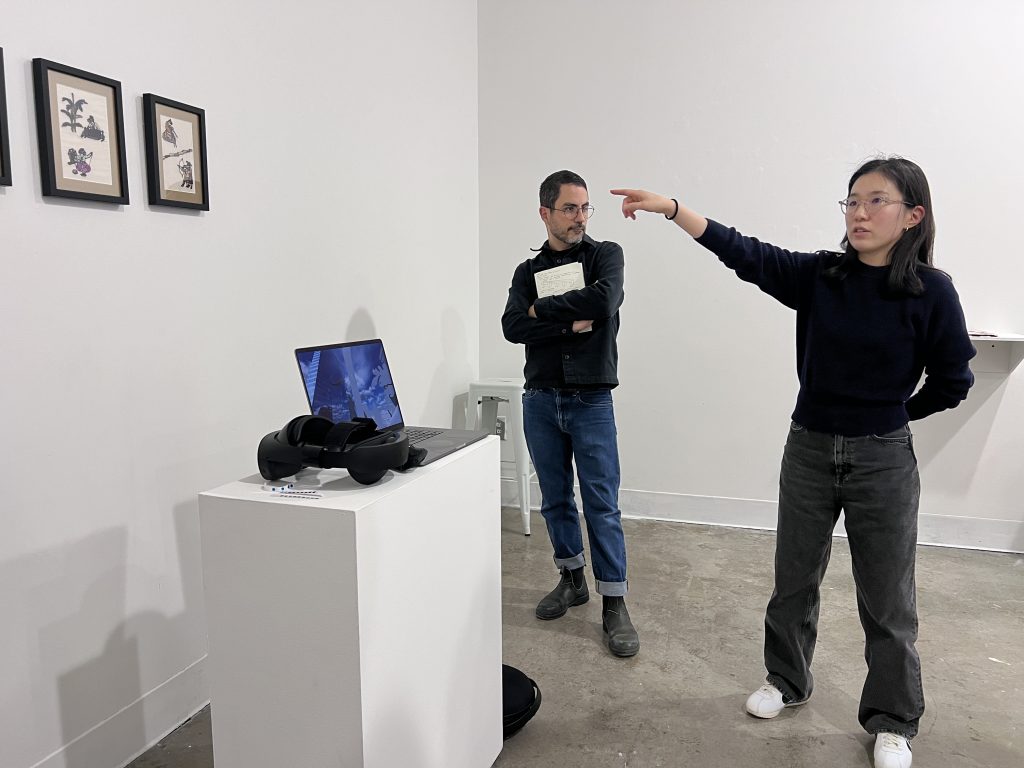
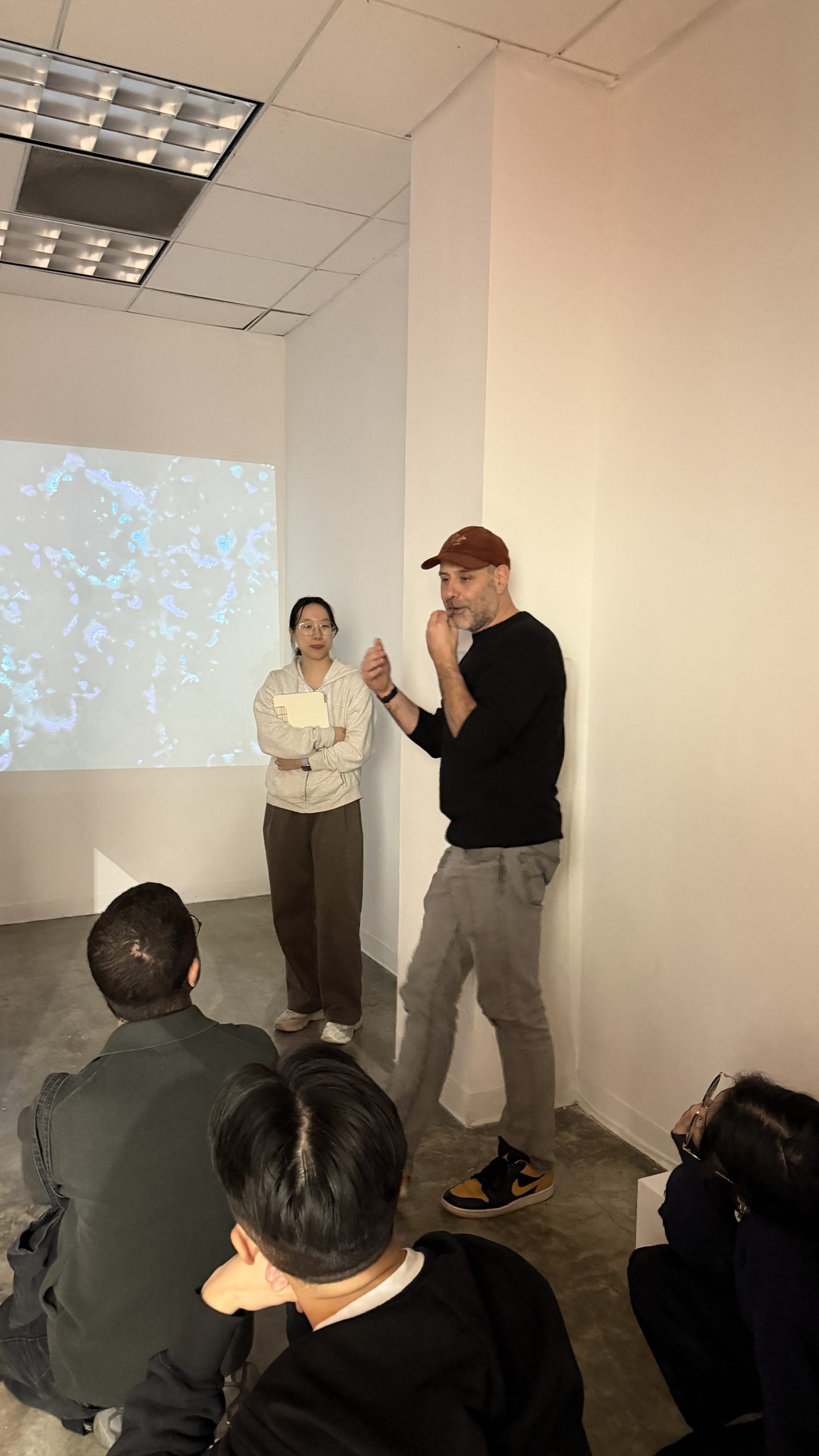
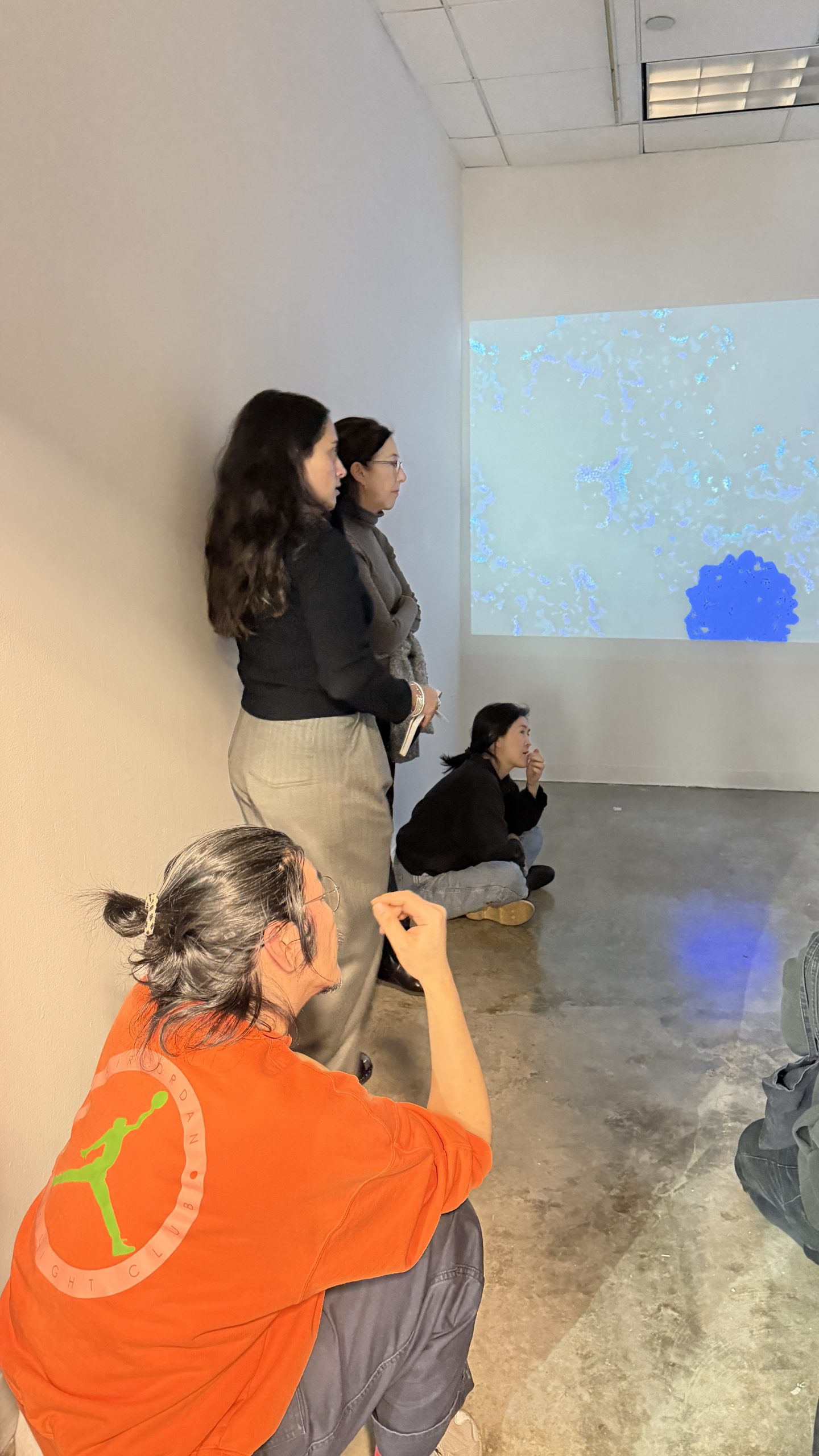
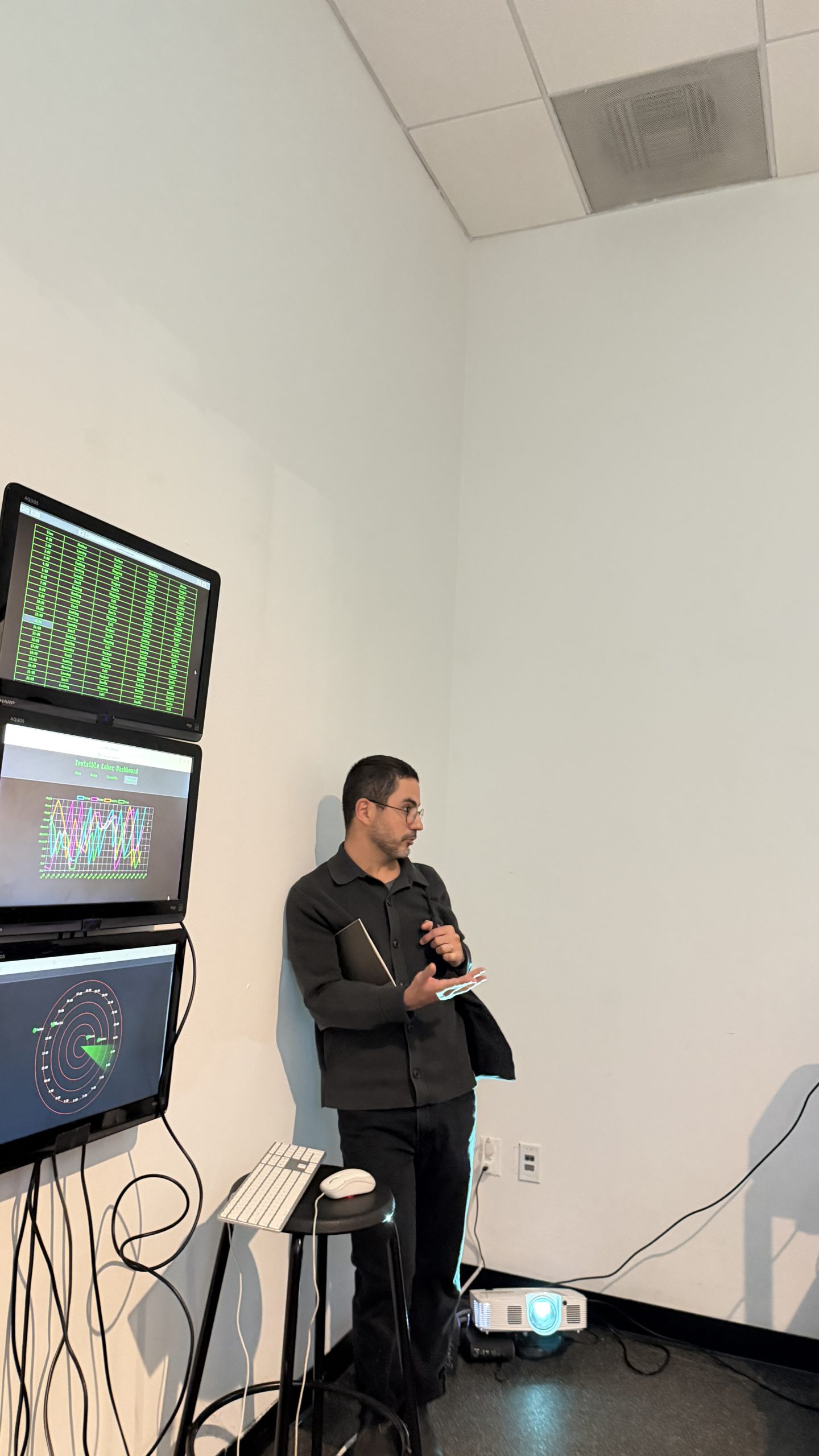
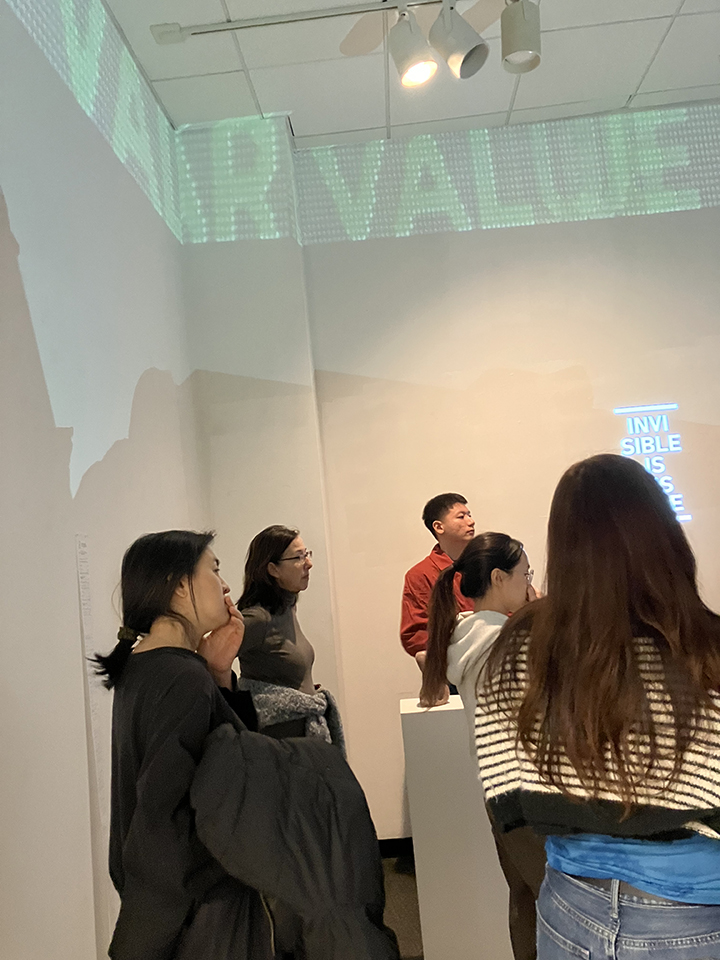
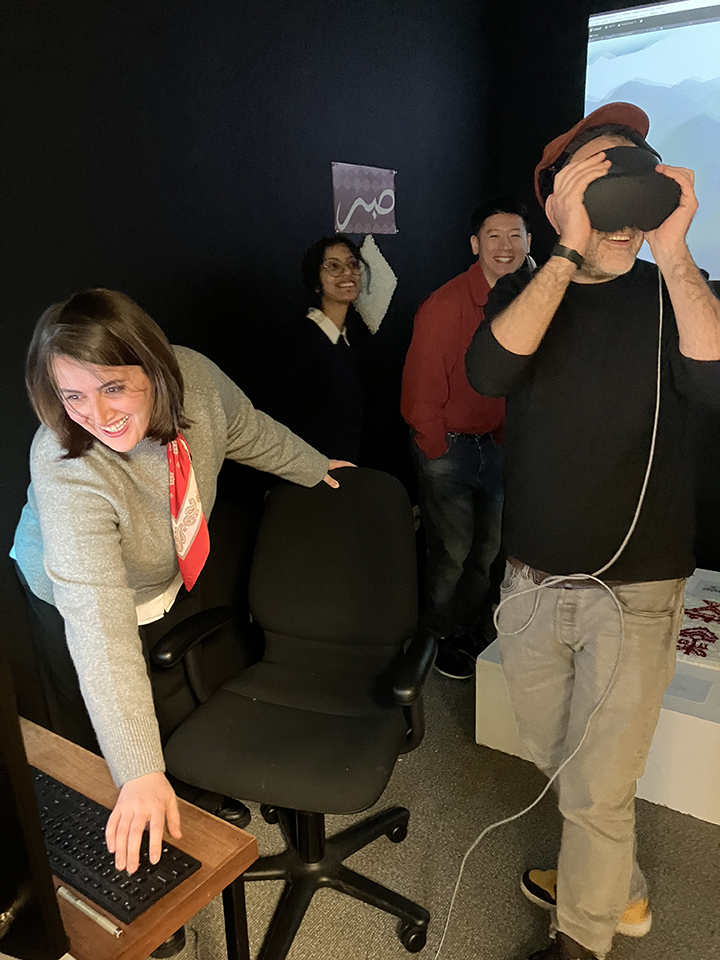
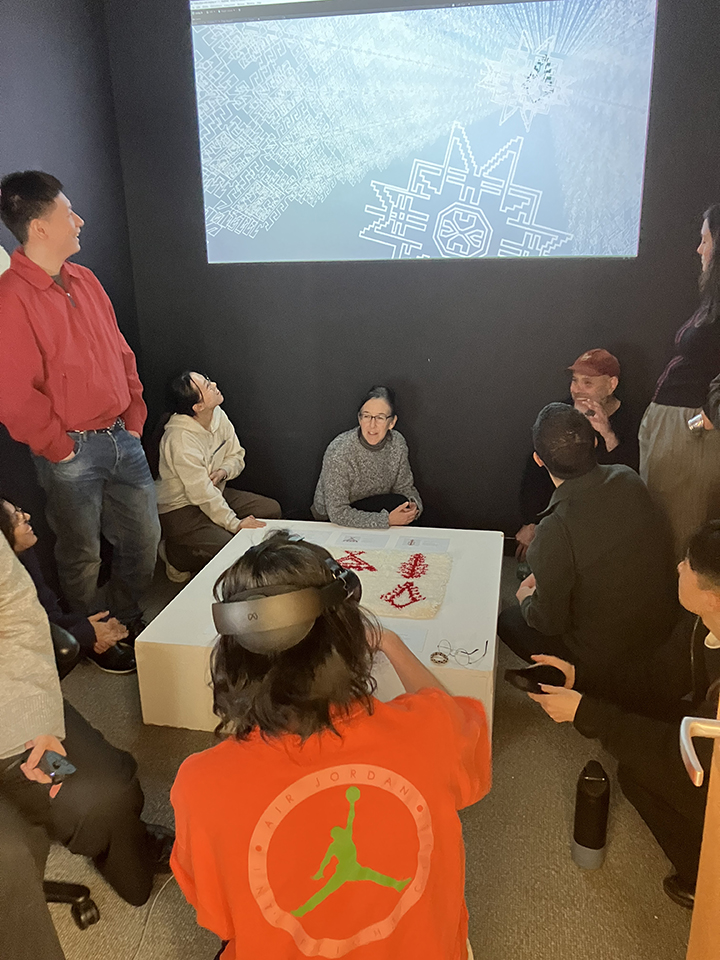
My MFA research stemmed from a desire to challenge how we see, measure, and communicate lived experience and explore how data can become more human and accessible through visual storytelling and immersive experiences. My thesis exhibition translated these ideas into immersive storytelling through sound, video, and text, offering a more embodied way of understanding movement and data.

Sanaz Feizi, MFA ‘23
Assistant Professor, University of Memphis

Interdisciplinary designer, educator, and researcher whose practice explores the intersection of socio-cultural, biomedical, and biopolitical frameworks.

What I found most valuable about the program was being part of a supportive and collaborative community where faculty were genuinely invested in each student’s growth. The program fostered an environment of mutual encouragement while ensuring we were equipped with the most current and relevant design knowledge. This combination of academic rigor and community support created a unique learning experience that empowered me to develop my own research and creative practice.

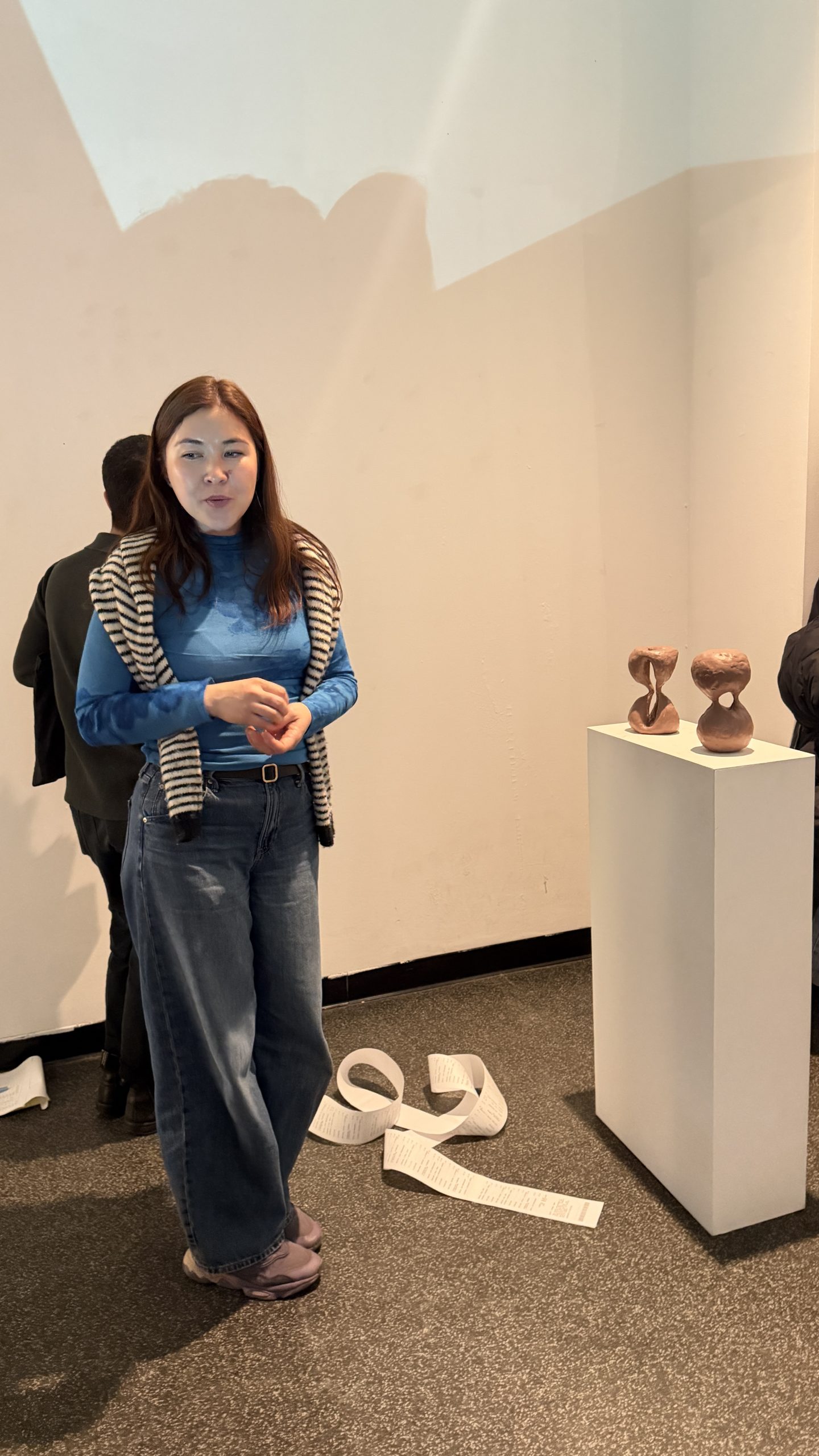
My research investigating menstrual stigma and gender inequality, I developed the MAKE TALK Workshop—a research-driven, participatory methodology that leverages dialogic exchange and creative self-expression to surface and challenge normative narratives surrounding menstruation.

Leona Cheung, MFA ‘23
Freelance Designer

Designer and educator based in Los Angeles, working in print and digital projects from branding to websites.

The program allowed us to freely explore many avenues of research relating to our personal interests of study. It was a wonderful experience to develop ideas alongside peers with backgrounds and interests that were diverse, thus creating a rich environment for collaboration. I’m grateful for the support of the faculty, their generosity in sharing knowledge and resources. Not only was it a space to grow my practice and expand the skills for both traditional and contemporary applications of design, but it also taught me how to view things through the lens of greater sensitivity to critical issues.

Sophie Auger, MFA ’21
Visiting Professor, Université du Québec à Montréal

Alongside teaching also works independently and in collaboration with artists, curators, and publishers on exhibitions, publications, and websites.

I was part of the inaugural cohort of the MFA in Design program at Rutgers, and one of only two students. This extraordinary context was both challenging and rewarding: the intimacy of the cohort allowed for individualized engagement, while the generous and dedicated faculty and access to great resources at Rutgers made it a very fruitful experience. The program encourages experimentation in design, art, technology, and interdepartmental research; all of which have enriched my interdisciplinary practice.

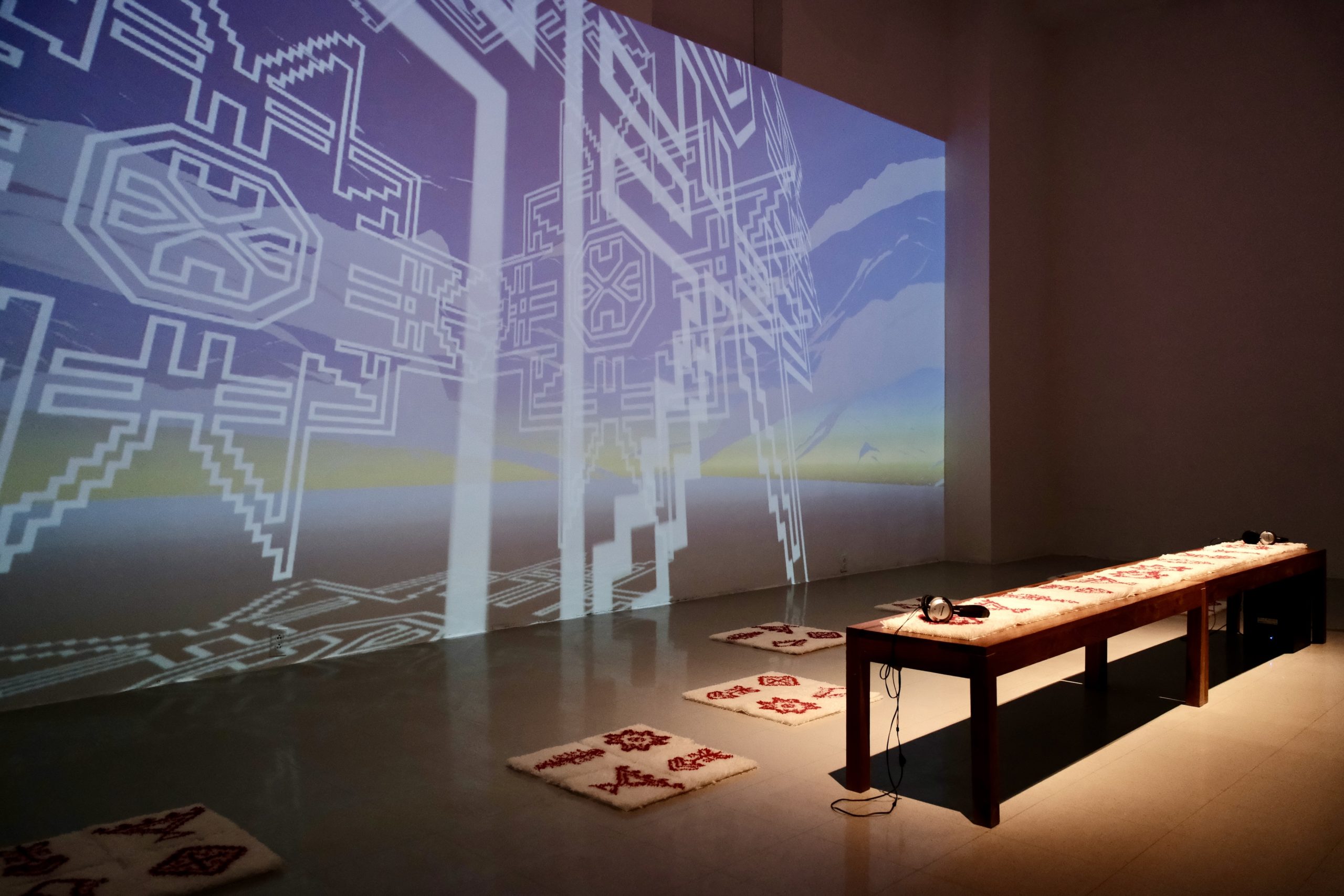
My research explored the paradox of the NFT, cryptographically unique yet not interchangeable. This coupled with the intangible nature of a new technology still in the making, fed my thesis work and research. The resulting exhibition explored the aesthetic experience of the NFT, as well as its impact on notions of archiving.


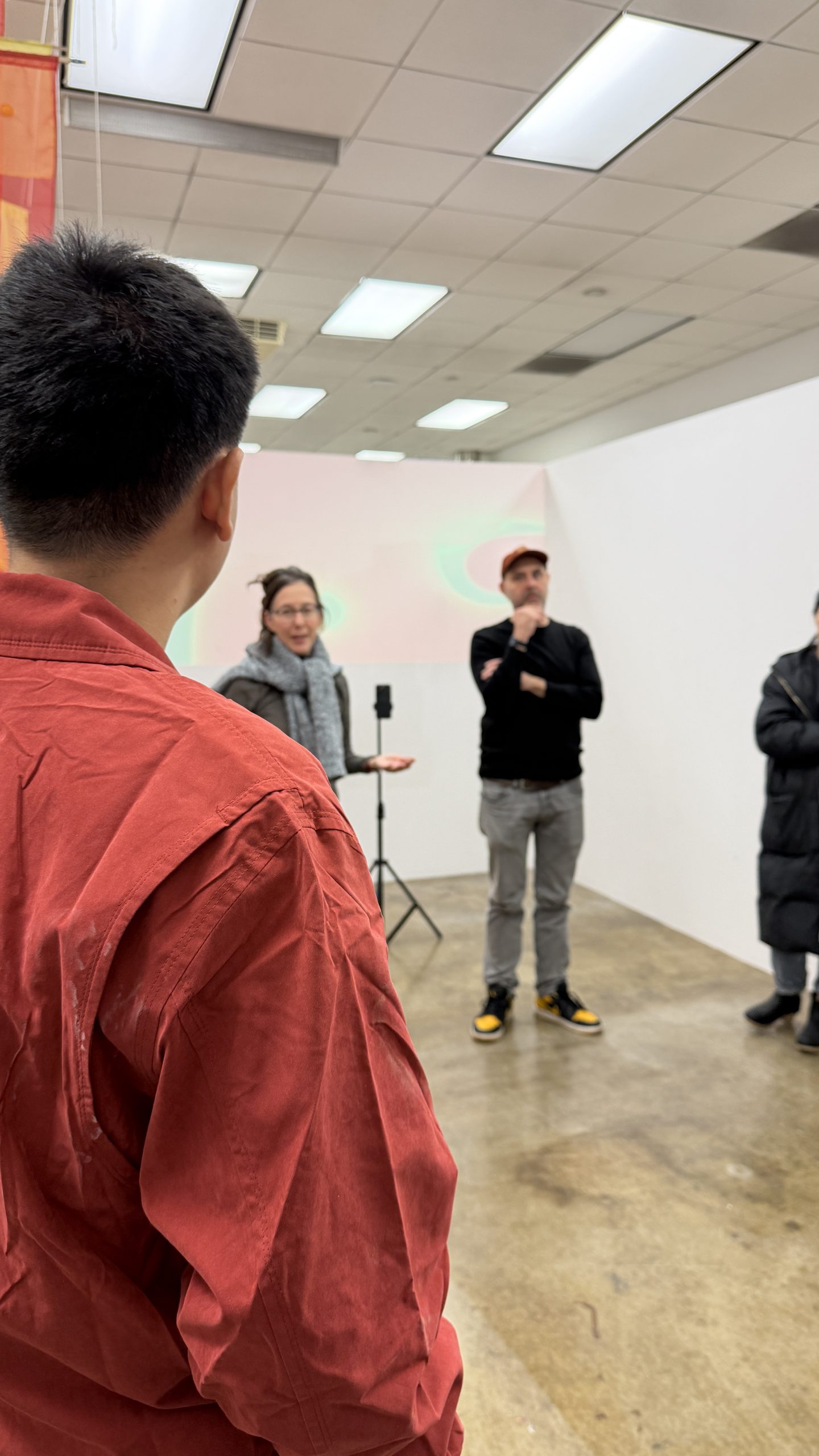
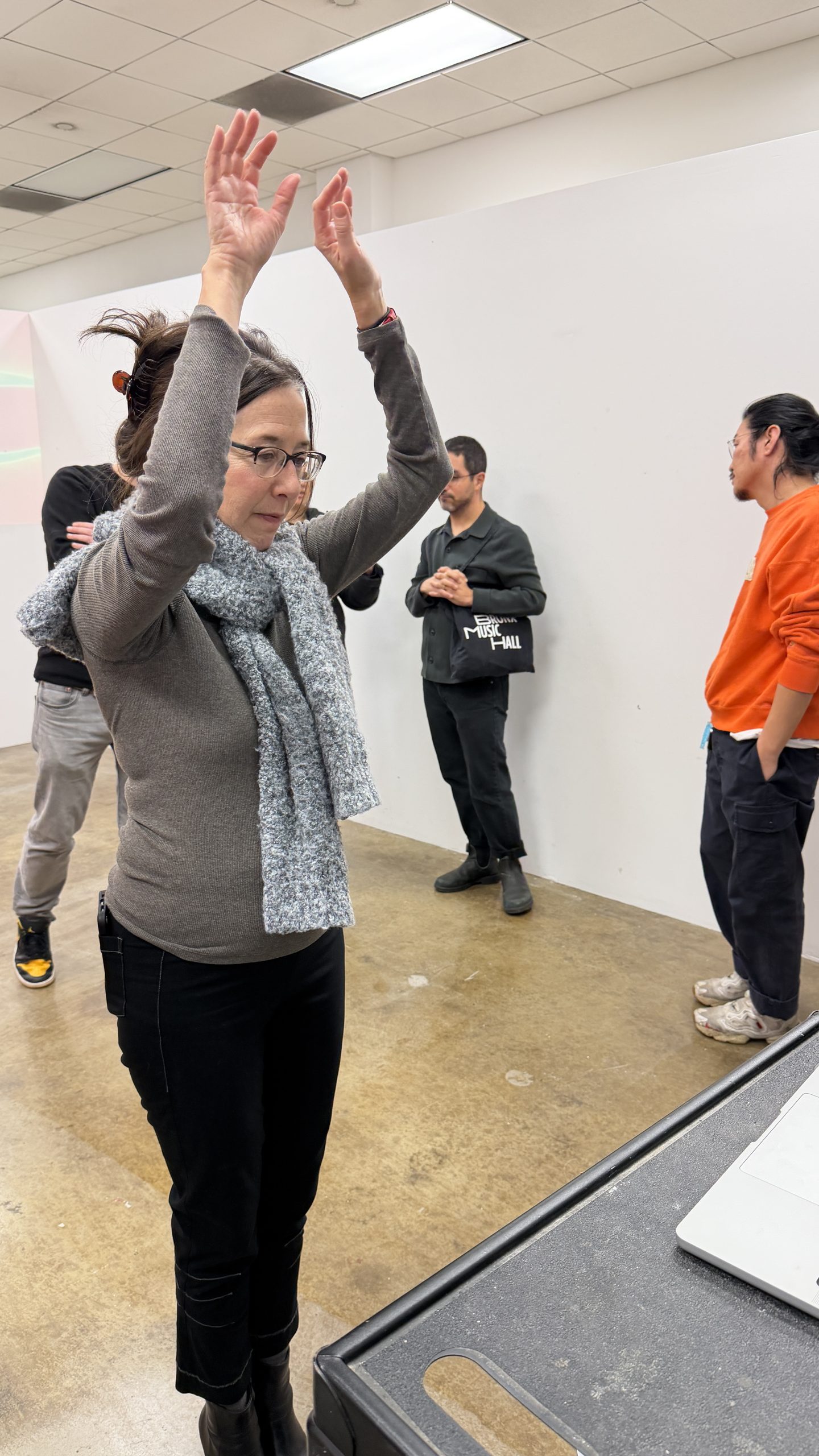
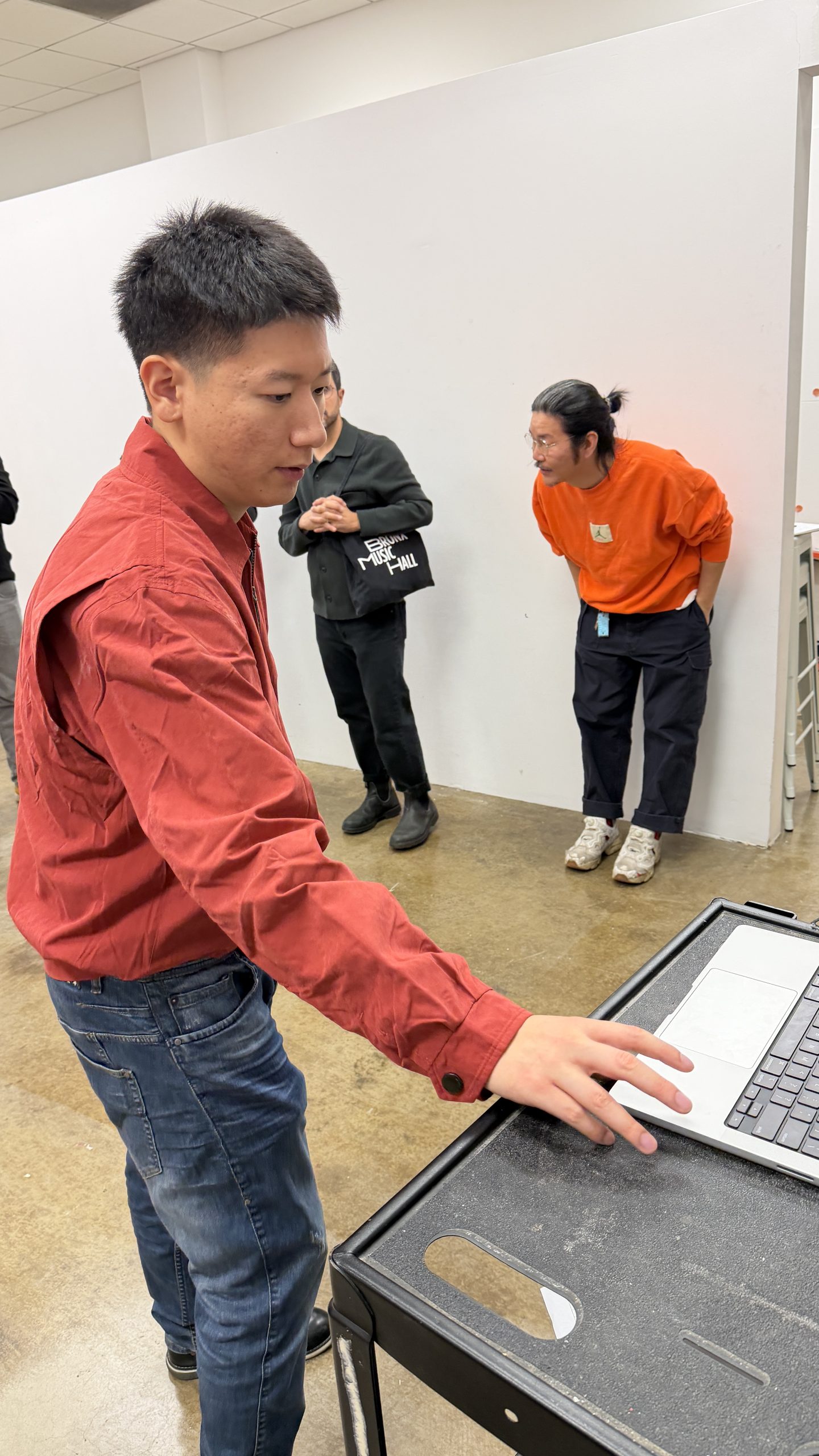
Design Lecture Series: Livia Foldes

Silence, Fear, and Urgency in Design Practice: October 21, 2025

What do I look like to a machine? Computer vision algorithms “see” me as a series of boxes that can be recognized and named, a group of points whose relationship to one another predicts my emotional state, and so on. 

A series of self portraits attempts to reclaim my image from this reductive algorithmic gaze, while prompting additional questions: what ways of knowing are illegible to a machine? In what ways do I want to be known, to myself and to others?

On October 21, the Mason Gross Design community welcomed Livia Foldes, a Brooklyn-based cultural worker whose practice explores gender, labor, intimacy, and power across art, design, technology, and activism. Her work asks how and why machines are taught to understand, and often misunderstand, our bodies and the identities they carry. Livia’s projects have been supported by The Photographers’ Gallery, NEW INC, and the Goethe Institut, reflecting her deep commitment to using design as a tool for critical reflection and social change.

In her talk, Livia traced her journey from working in San Francisco during the height of the tech boom—when rapid growth and gentrification transformed the city, to pursuing graduate studies in Design and Technology at Parsons. These experiences grounded her practice in ethics and activism, and led her to question the systems that shape our digital lives.

Livia shared a range of projects that examined bias in machine vision, erased internet histories, and the overlooked contributions of sex workers to digital culture. Through works such as Machine Portraits and Browser Histories, she revealed how technology mirrors structures of power, determining who is visible and who is rendered invisible.

Reflecting on her teaching and creative process, Livia spoke about the need to build design practices that balance urgency and sustainability, to challenge injustice without burning out, and to critique systems while caring for oneself and one’s community.

She closed her lecture with a meditation on fear and silence, reminding students that design exists in tension: between art and commerce, critique and complicity, innovation and responsibility. The real work of design, she suggested, begins when we find the courage to speak, to question, and to act with both empathy and conviction.

Design Lecture Series: Eli Rosenbloom

The Movie Was About a Movie: October 7, 2025

On October 7, the Mason Gross Design community welcomed Eli Rosenbloom, designer, editor, and founder of the digital library New Reader, for a thought-provoking lecture exploring the intersections of print, film, and digital media. Eli previously served as art director of the experimental publication Visionaire, and his practice examines how traditional print culture evolves within the landscape of new media. His collaborations include projects with Prada, Burberry, Rizzoli, the Judd Foundation, and the National Museum of Norway.

In his talk, Eli shared a series of works that questioned how publishing and exhibition design can merge into new forms of storytelling. He described publication as a space for experience, where a book might unfold like an exhibition and an exhibition might read like a book. Through restrained visuals and precise sequencing, his work demonstrates how design can contain time, memory, and narrative.

A key reference point in his lecture was the assigned reading The Movie Was About a Movie, which traced how the shift from watching films in theaters to viewing them on VCRs and through video rentals changed our collective relationship with media. Eli connected this transition to his own practice, showing how the formats of media—print, screen, or projection—reshape how we see, collect, and share stories.

By moving between design, editing, and curation, Eli’s work invites us to consider how the mediums we use to store and circulate images influence what we remember and how we tell stories. His lecture reminded the audience that in every format—page, screen, or archive—design is a form of storytelling that keeps visual culture alive.

Design Lecture Series: Sherry Muyuan He

Typography Beyond Borders: September 30, 2025

On September 30, the Mason Gross Design community welcomed Sherry Muyuan He, assistant professor of graphic design at the City College of New York, for an inspiring talk about typography across languages and cultures.

Sherry is the author of Typography Beyond Borders, forthcoming from BIS Publishers in November 2025. Her practice explores global writing systems including Arabic, Armenian, Burmese, Chinese, Russian, Ethiopic, Georgian, Greek, Hebrew, Japanese, Khmer, Korean, Mongolian (Traditional), Persian, and Thai. With deep curiosity and empathy, Sherry invites designers to move beyond Western typographic traditions and embrace a more inclusive and multicultural design perspective.

During her lecture, Sherry shared her creative journey from playful early projects such as books designed to look like breakfast foods to her research on global typography. Her curiosity grew while teaching multilingual students who spoke Arabic, Armenian, Burmese, Mongolian, Persian, and many other languages. Seeing the lack of design resources for non-Latin scripts, she began collecting and studying them to make their beauty and logic more visible in design education.

Sherry discussed how writing systems like Thai, Arabic, Korean, and Japanese each have unique rules of rhythm, connection, and emphasis that differ greatly from Latin design principles such as italics or kerning. She showed how scripts stretch, link, and shift to convey sound or meaning, explaining that what may appear as mistakes in Western typography are essential design features in other traditions.

Questioning the idea of bi-scriptural design, which often centers English, Sherry encouraged designers to see non-Latin scripts as independent systems with their own visual sophistication and identity. She emphasized that typography is a living, human system that reflects how people communicate and connect across cultures.

About the Book: Typography Beyond Borders

Sherry’s upcoming book Typography Beyond Borders expands on the ideas she presented in her lecture. In today’s global design world, it is increasingly important for designers to create work that connects with diverse audiences. The book is written for designers and students whose native languages do not use the Latin alphabet, as well as educators seeking to build more inclusive classrooms.

By comparing typographic principles across multiple writing systems, Typography Beyond Borders fills an important gap in design education, which has long been dominated by Latin-script models. It offers practical guidance and visual insights for developing culturally sensitive and globally aware design approaches.

Design students will gain confidence in drawing inspiration from their own linguistic and cultural backgrounds, while educators will discover new ways to teach with empathy and inclusion. As Sherry reminded the Mason Gross audience, understanding typography across borders means understanding people and designing with care, respect, and imagination.

Mason Gross Design Research: Rachel Herring

MFA in Design alumni, Rachel Herring, is an educator, writer, and designer creating work at the intersection of techno-critique, design ethics, and participatory research. She was recently appointed as a tenure track assistant professor at Rochester Institute of Technology. Her projects reclaim systems and technologies of power through democratic design. This framework prioritizes user agency, participation, and customization, seeking to transform design from a static product into a dynamic process. Her projects interrogate how everyday technologies, particularly the smartphone mediate behavior and perception, and propose methods for reclaiming time and attention through structured interventions.

Rachel’s work interrogates how technologies organize perception and behavior and proposes modes of regaining time and attention through concerted intervention. We examine this approach via two of Rachel’s works: Cellular Balance, a collaborative workbook, and 53 Days, an interdisciplinary installation.

Cellular Balance Workbook

Redesign Your Smartphone and Reclaim Your Time

Cellular Balance began during the pandemic and developed through three years of iterative research. The project encompasses an interactive four-week workbook, a responsive website, socially active workshops, and an experiential installation. It is a toolkit for those who wish to reengineer their smartphone relationship without doing away with digital devices.

Rachel’s work comes out of her experience with phone addiction, especially the disintegration of time resulting from excessive screen usage. From a foundation of design ethics, behavioral science, and anthropology, she developed an experimental approach to changing phone use through design interventions. These included visual streamlining, content rearrangement, and reducing apps all in the service of refashioning reflex behavior into intentional action.

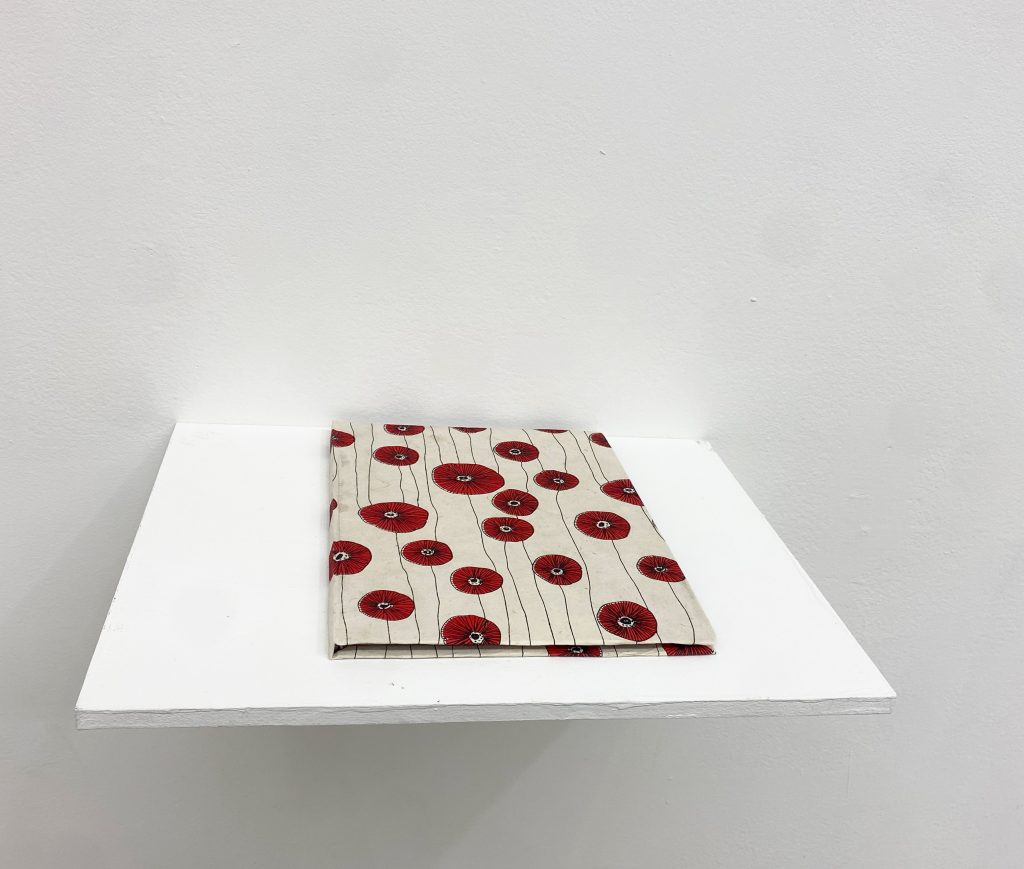
The workbook builds on this strategy. It includes formal exercises and reflective questions that encourage incremental changes in behavior. Most importantly, the workbook is also designed to be flexible. Readers are encouraged to annotate, rewrite, and adapt its pages to meet their specific needs. This design is a reflection of Rachel’s broader commitment to participatory models, as outlined by Sheila de Bretteville: “Control is undermined by ambiguity, choice, and complexity.”

Data collected across four major workshops including a five-day study with 20 participants and a month- long prototype with seven shaped the project’s form and pedagogical strategy. These studies utilized surveys, exit interviews, and mixed-methods research. Participants reported reduced anxiety, improved attention spans, and increased engagement with the physical world. Many highlighted the workbook’s role in slowing their perceptual tempo, allowing for deeper concentration and rest.
A recurring theme in participant feedback was the importance of slow transitions. Rachel responded by organizing the workbook into a sequential format, beginning with low-resistance interventions and culminating in more advanced changes. These patterns align with neurological insights into dopamine production and reward cycles, especially those triggered by smartphones. As explained by participants, the value of the workbook resided beyond reduced screen time. It offered tools for regaining control over attention and redefining digital presence on their own terms.
The workbook is available in print and as a free download through cellularbalanceworkbook.com, continuing Rachel’s commitment to open access and equitable design dissemination. The platform reflects her belief that intentional design does not require commercial gatekeeping to be impactful.

53 Days

A Multisensory Installation on Time, Perception, and Presence

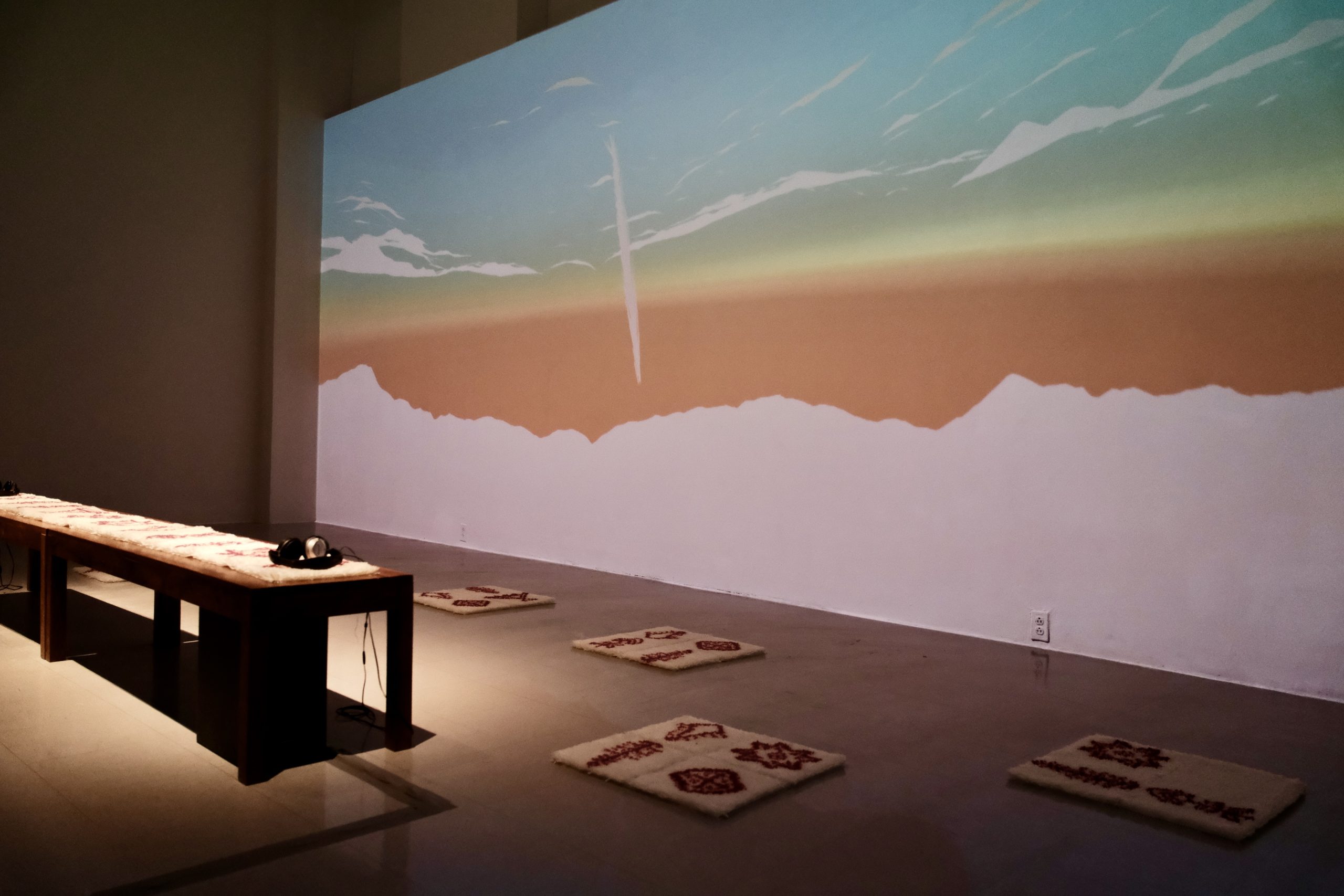
53 Days takes into account the aspects of space and time as concerns for engaging attention. In parallel with the Cellular Balance piece, this work formalizes Rachel’s research into a space which invites expansive, distraction-free attention to light, sound, and space.

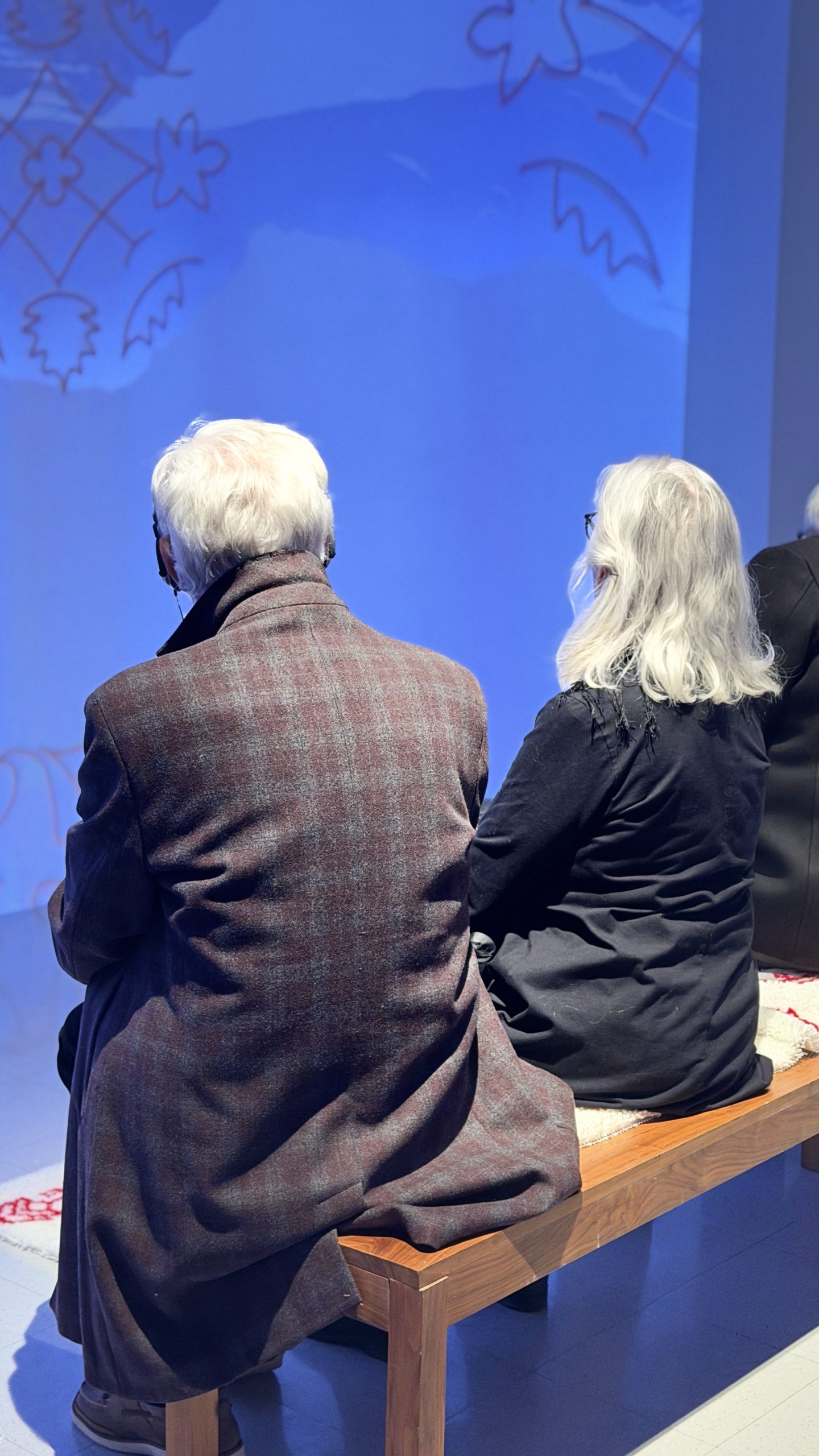
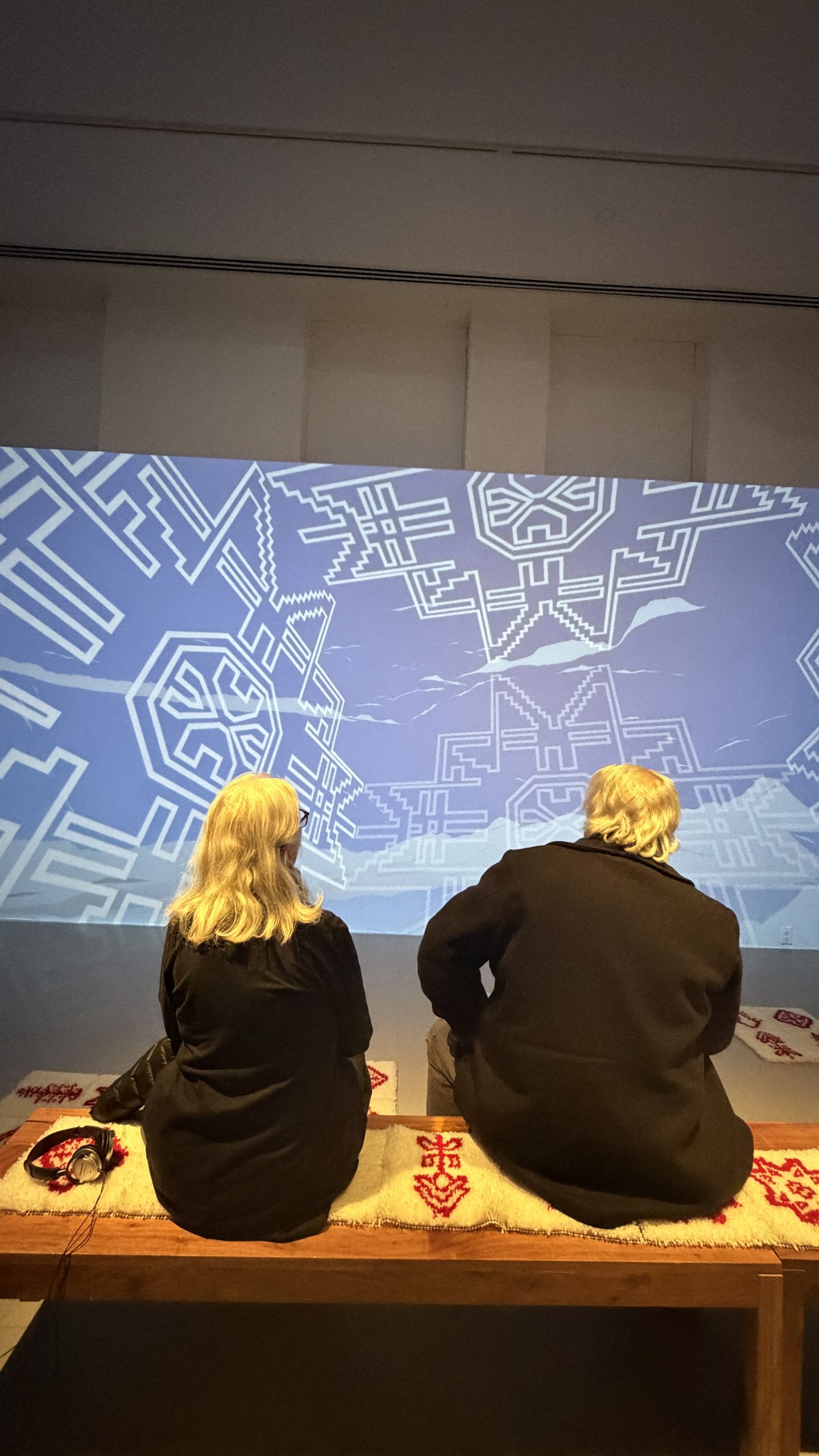
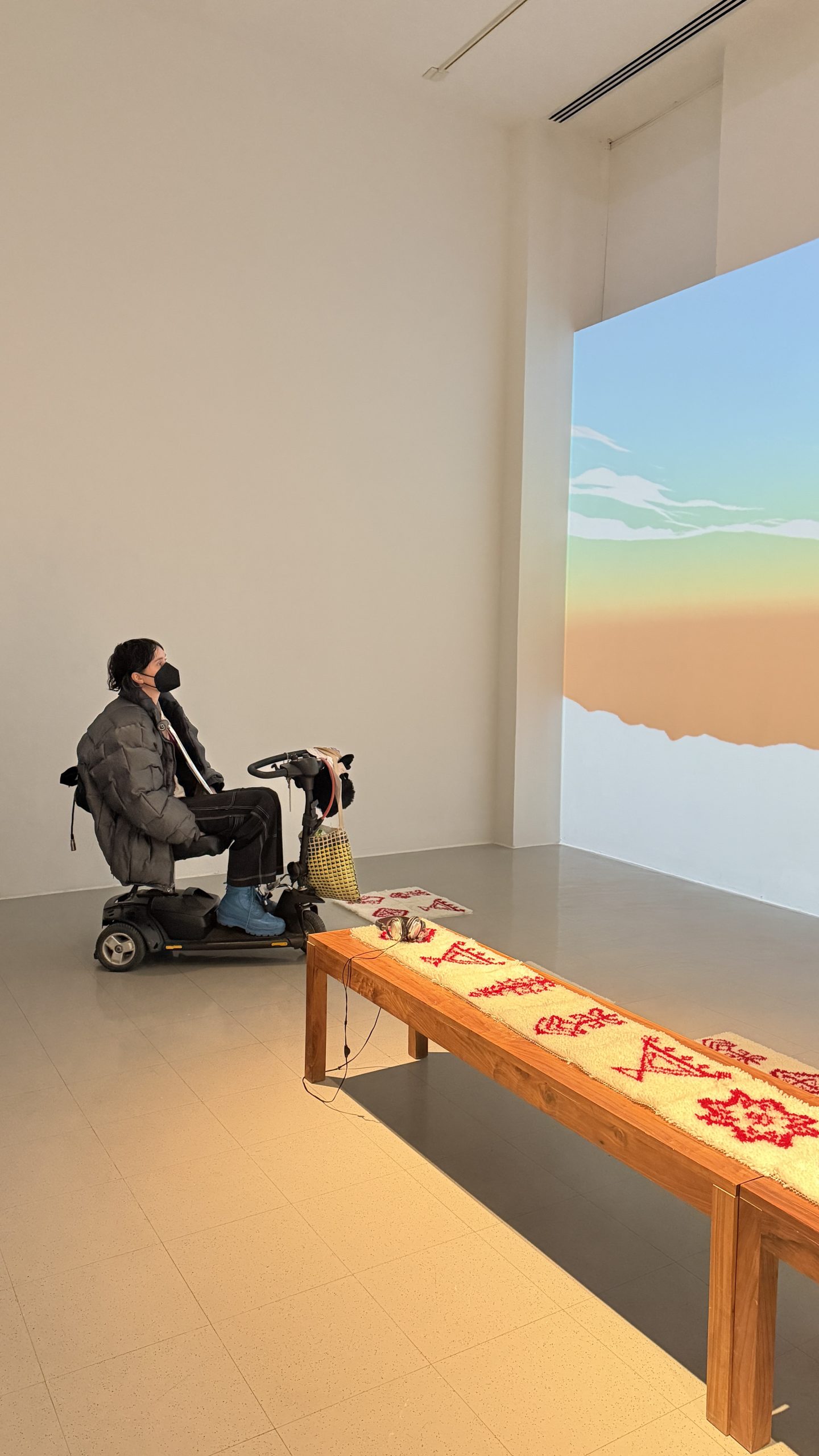
The core of the installation is a 3.5 hour, three-channel video projection documenting shifts in natural light patterns on a surface. Domestic seating materials occupy the gallery space, designed to support stillness and lingering presence. The public is invited to silence their phones to airplane mode upon entry, establishing a temporary disconnection from external notifications and online responsibilities.

The duration of the video equates proportionally to the time Rachel gained back on a daily basis through her phone interventions: 3.5 hours, or approximately 53 days per year. This intangible connection confirms the main argument of the installation. that time, having been previously re-directed by intentional design, can be encountered sensorially and rematerialized.

Inspired by slow cinema, Uta Barth’s photography, and works such as Are We Human by Beatriz Colomina and Mark Wigley, 53 Days situates design in a longer trajectory of perceptual inquiry. Design is not only an interface but an environment that shapes embodied attention. The environment becomes a sundial, utilizing the natural cycle of light to quantify duration and presence, and not productivity.

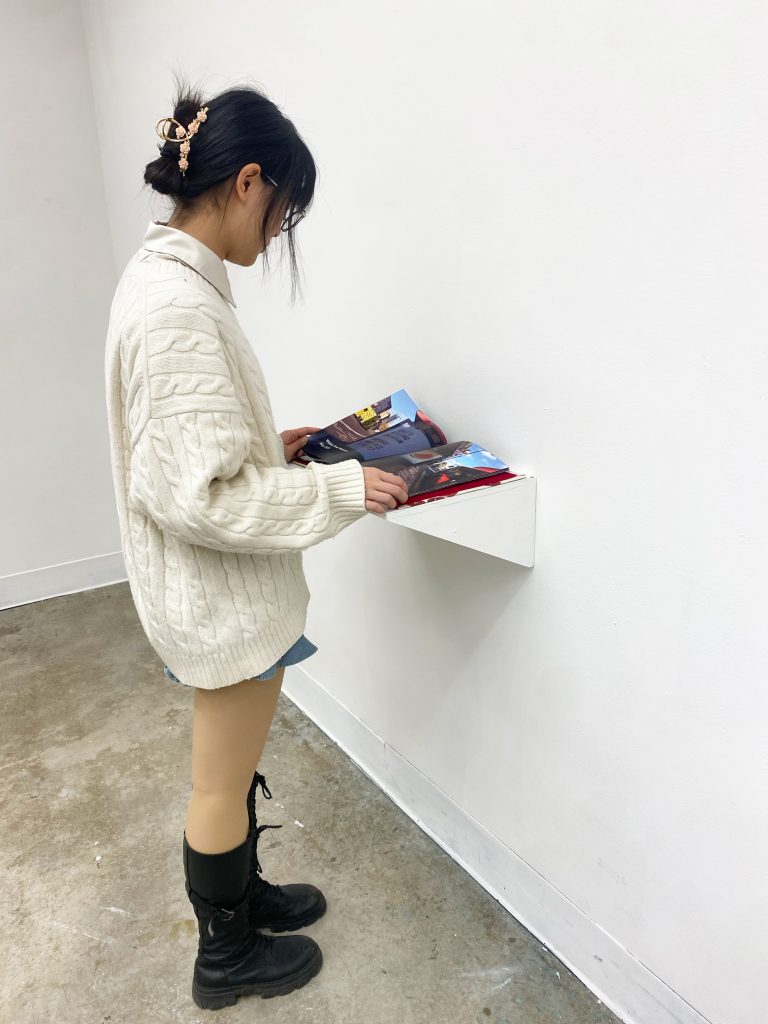
Each item in the space from the furniture to the books is intended to be used. This dispenses with the passive spectator convention of the conventional gallery and reinstates the participatory imperative of Rachel’s larger design practice. Individuals are invited to sit, think, and linger for as long as desired, representing a distinct mode of engagement grounded in autonomy and slowness.

Through these projects, Rachel proposes a larger model of design, one which prefers collaboration over control, reflection over optimization, and participation over prescription. Her work refigures design as a public space of critical reflection and inquiry, one which is responsive to human conduct, perceptual systems, and the sociopolitical character of everyday tools. Through access, choice, and time, her work overturns the dominant regimes of the attention economy and affirms the ability of design to enable autonomy and lived complexity.