On November 13, 2024, the Douglass Student Center at Rutgers University hosted the annual Climate Symposium, themed “Signals – Climate Change Communication for Understanding and Action.” This event brought together scholars, students, and professionals from the Mid-Atlantic region to discuss climate change, renewable energy, and strategies for reducing greenhouse gas emissions.
The morning session featured a series of insightful presentations:
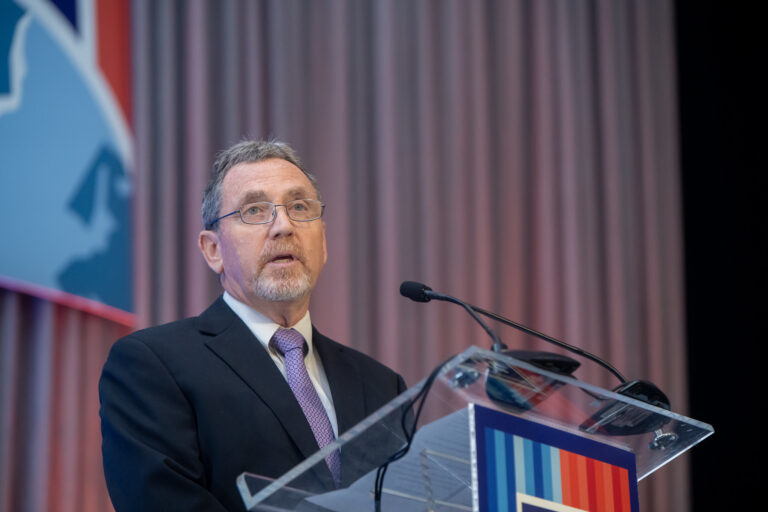
Benjamin Santer, an atmospheric scientist affiliated with the Woods Hole Oceanographic Institution and UCLA, discussed his work on identifying human “fingerprints” in climate records.
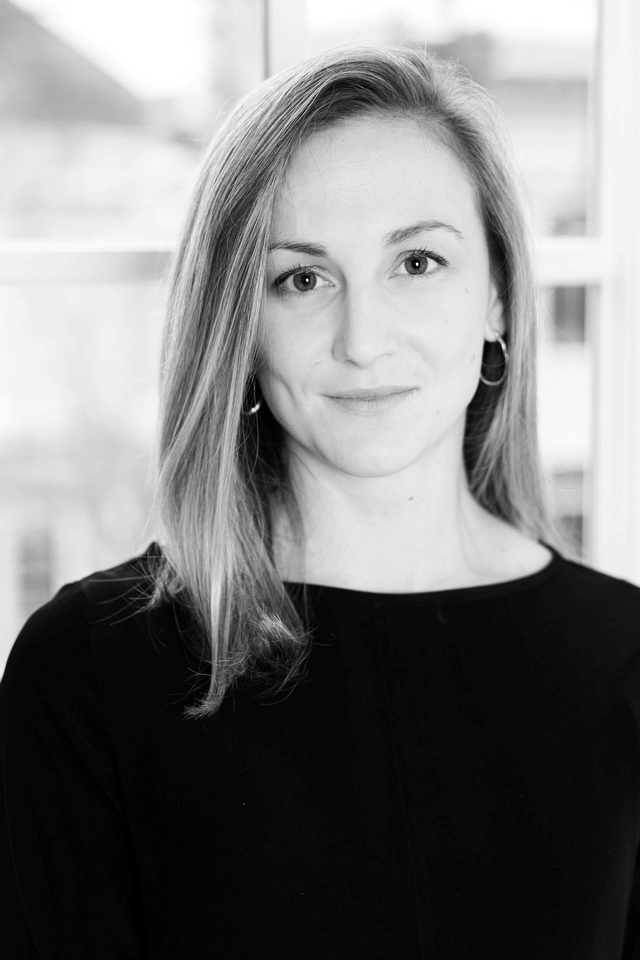
Katherine Blunt, a journalist and author, shared insights from her book, California Burning: The Fall of Pacific Gas and Electric and What it Means for America’s Power Grid, highlighting the intersection of climate change and energy infrastructure.
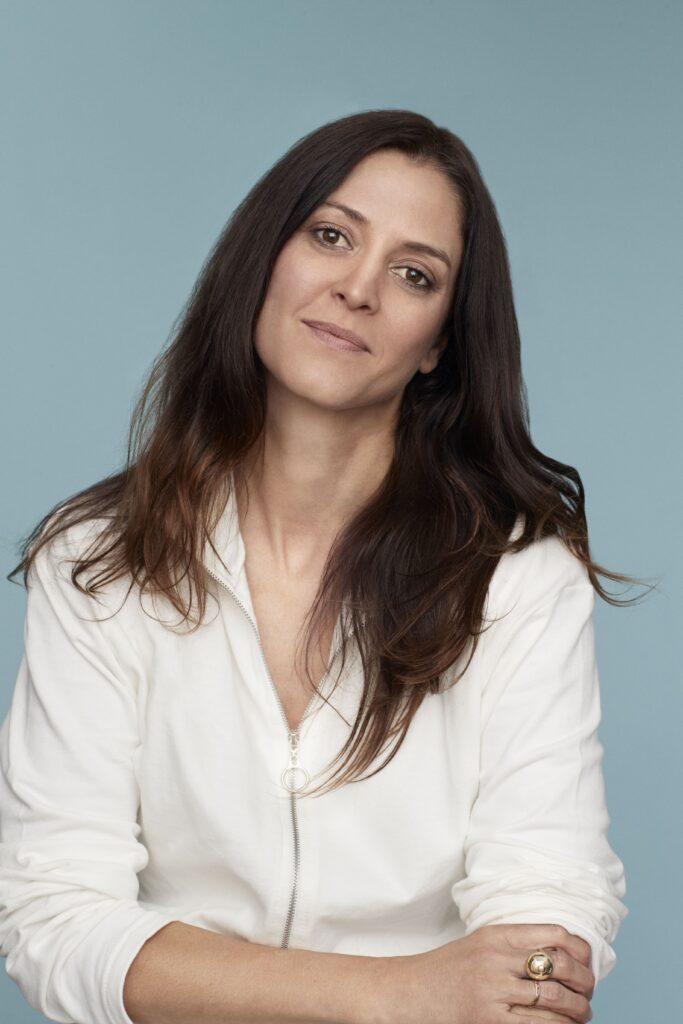
Julia Watson, a landscape designer and founder of Julia Watson LLC & Lo-TEK Institute, presented on “Lo-TEK, Infrastructures of an Ancestral Future,” exploring sustainable design inspired by indigenous technologies.
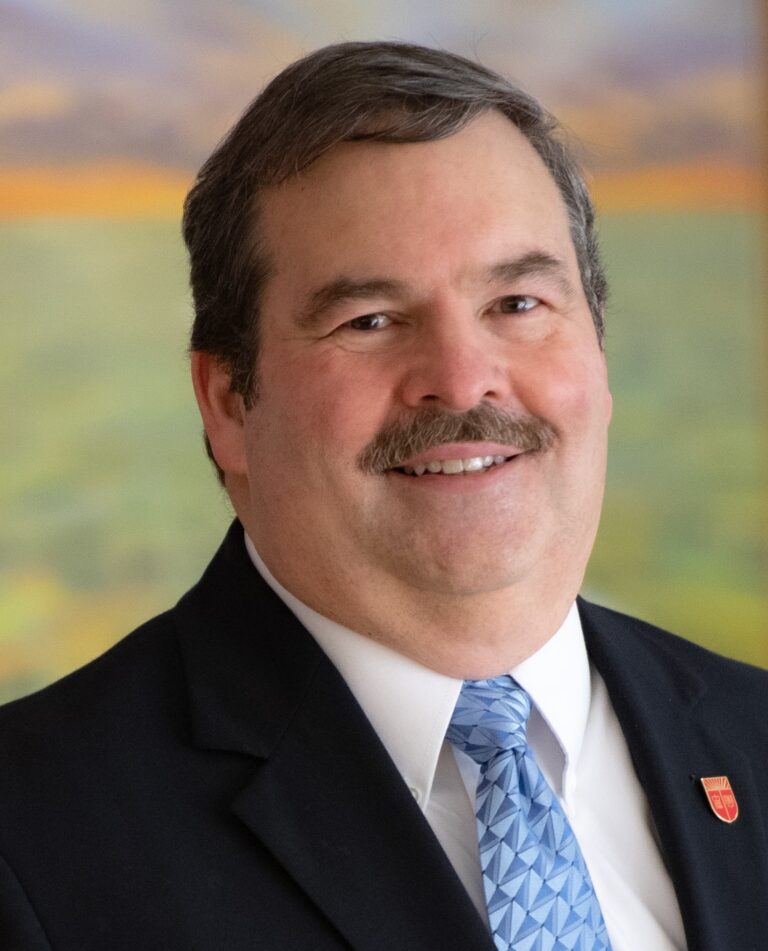
William Hallman, a Distinguished Professor of Human Ecology at Rutgers, examined effective strategies for communicating about climate change to foster understanding and action.
Following the presentations, a dynamic question-and-answer session allowed attendees to engage directly with the speakers, delving deeper into the topics discussed.
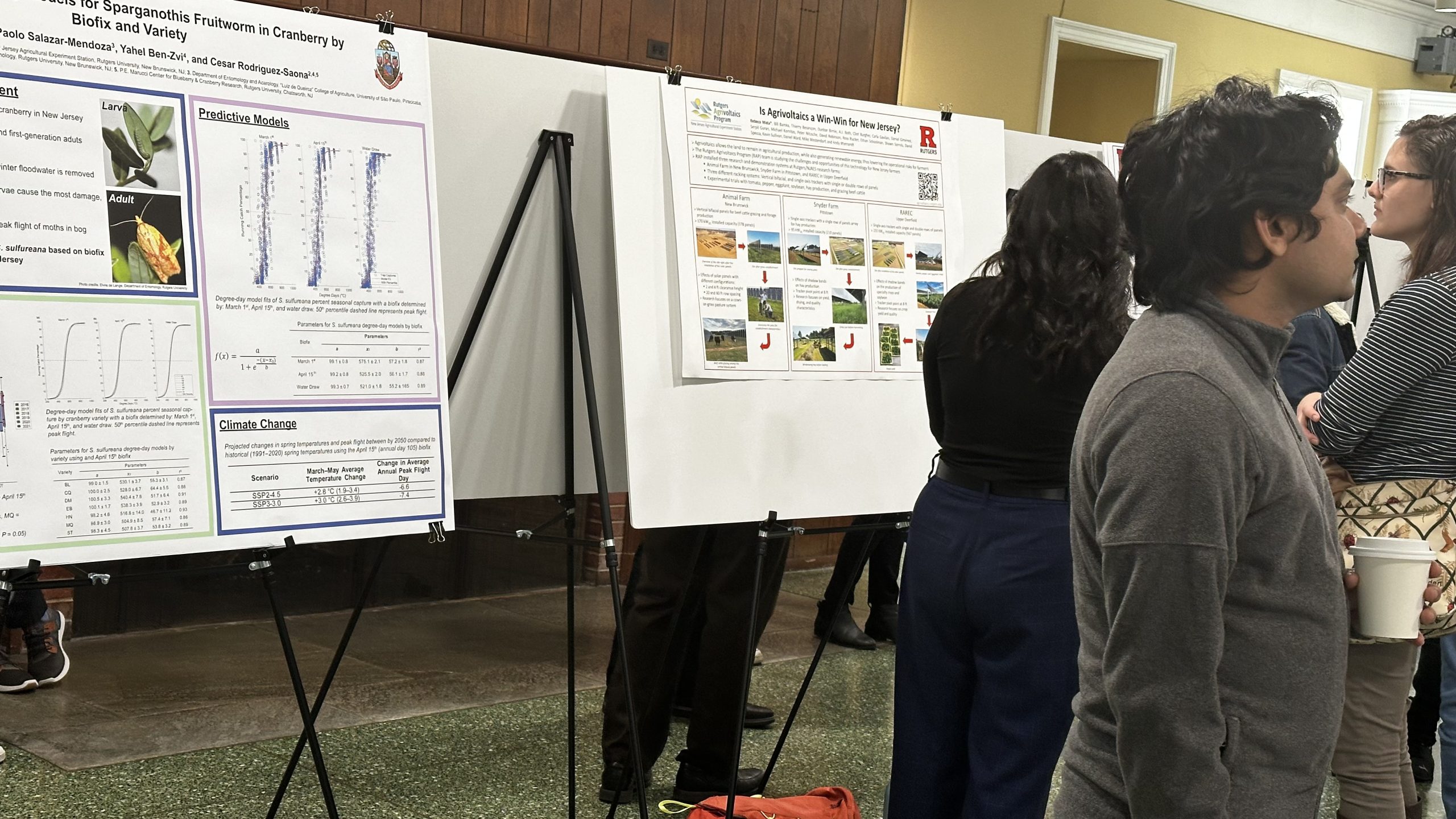
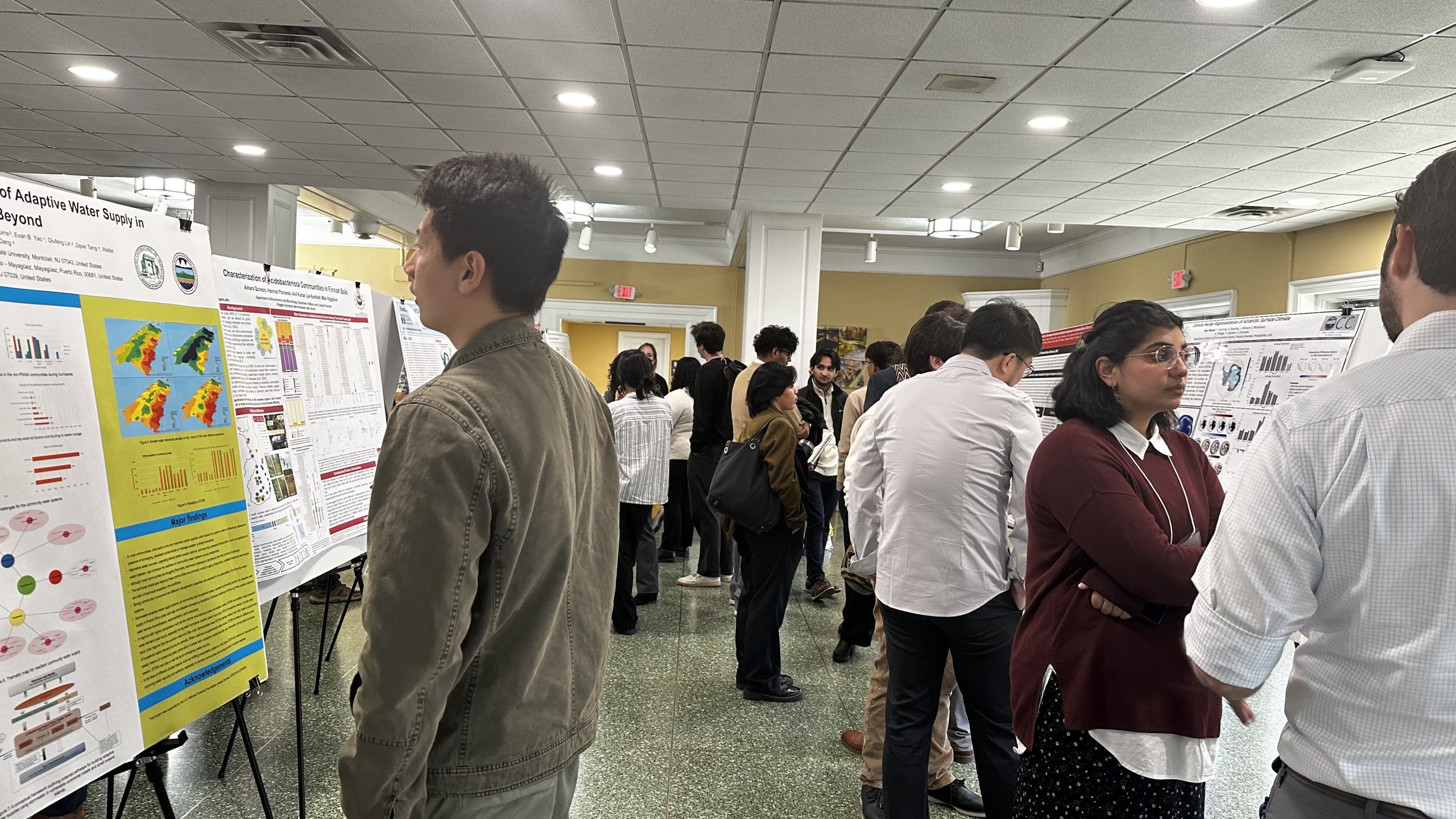
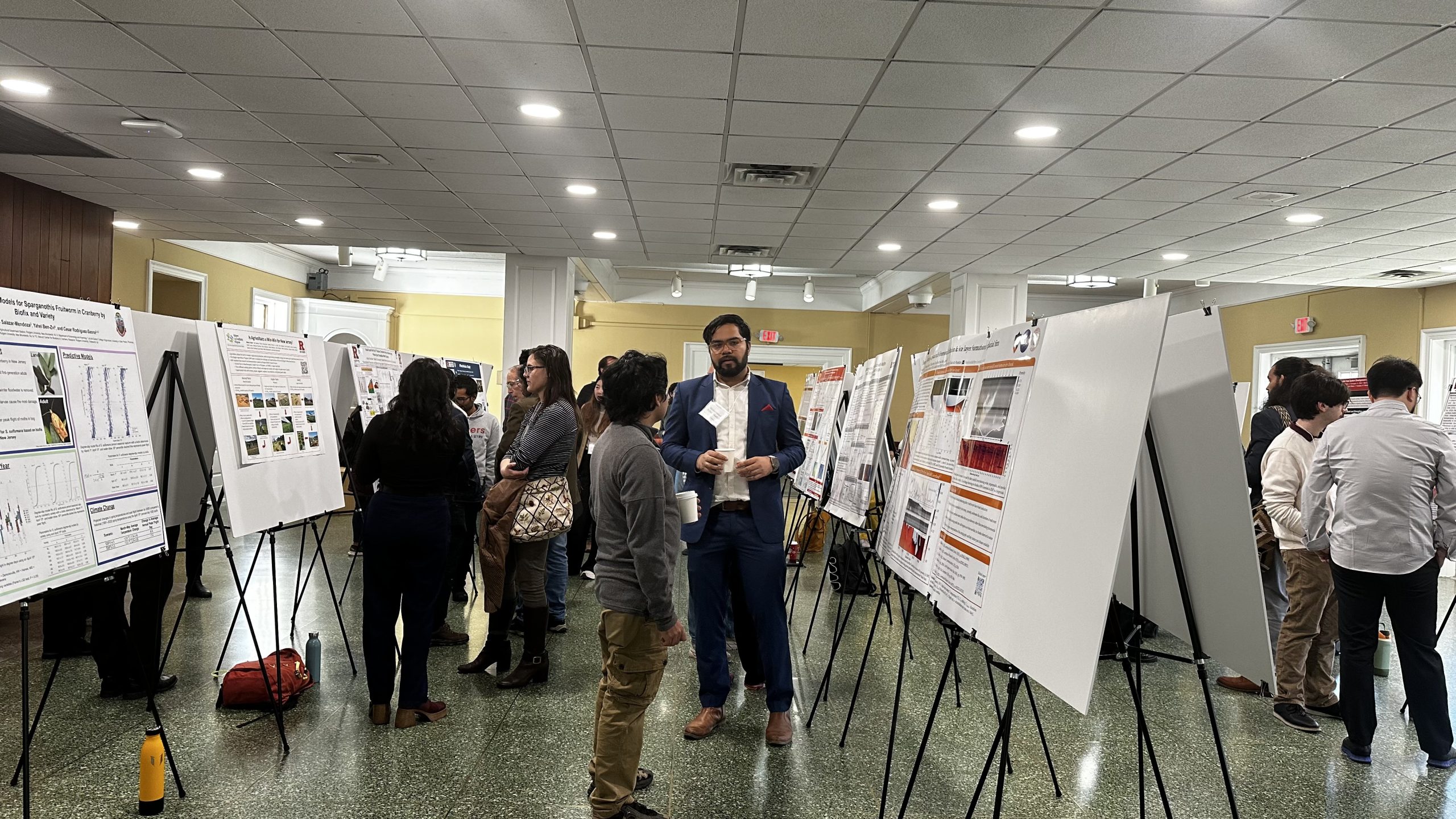
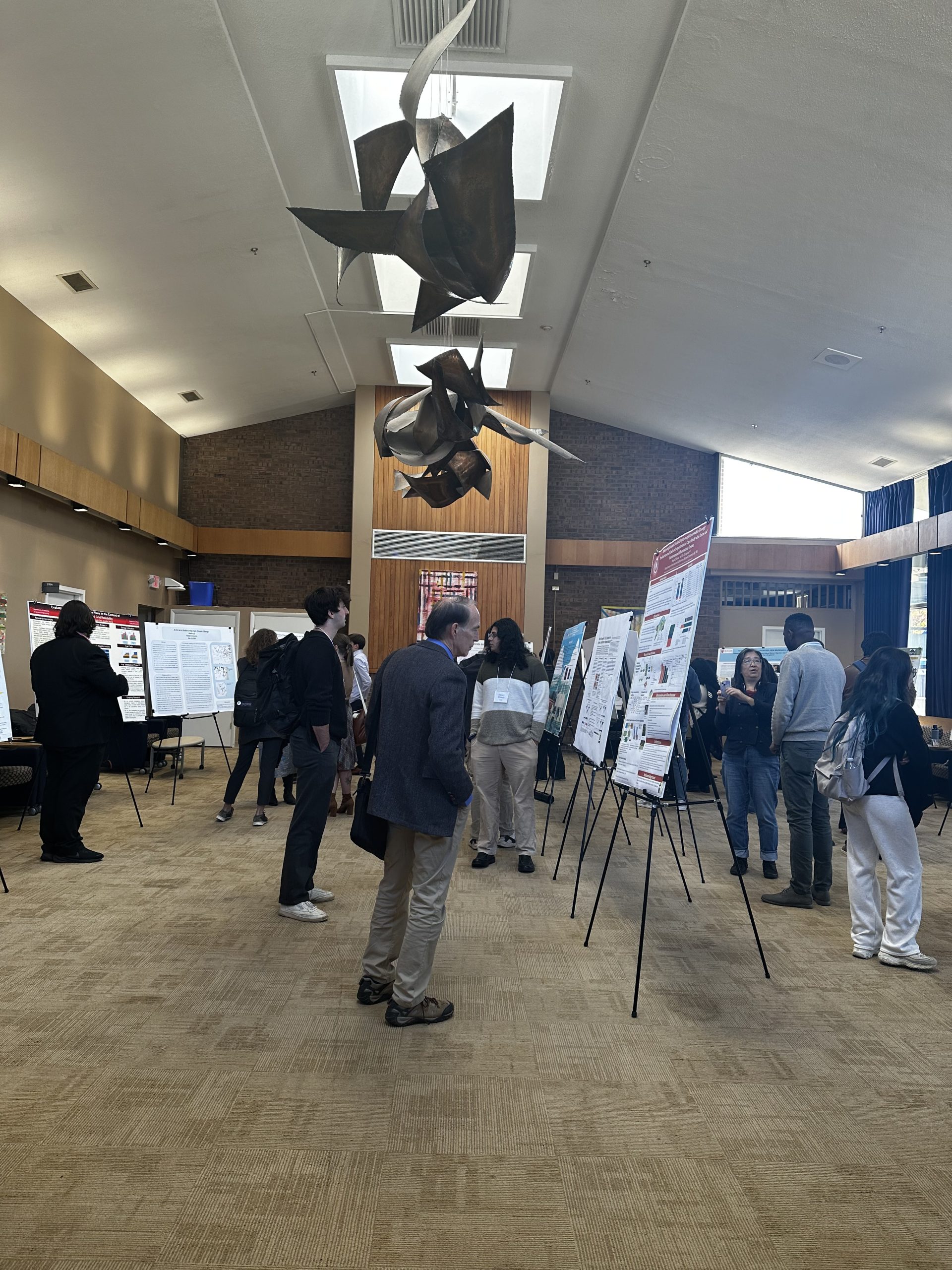
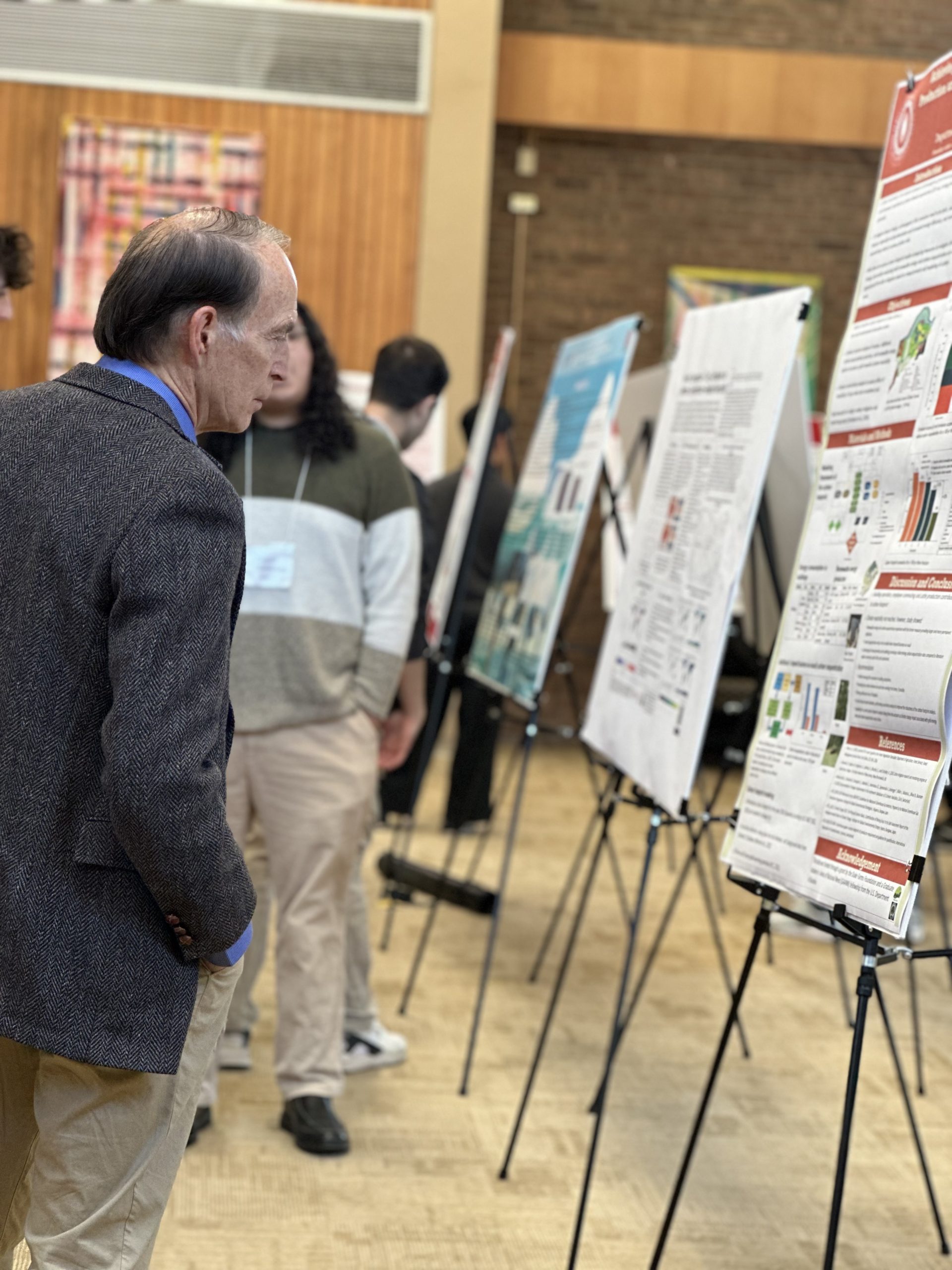
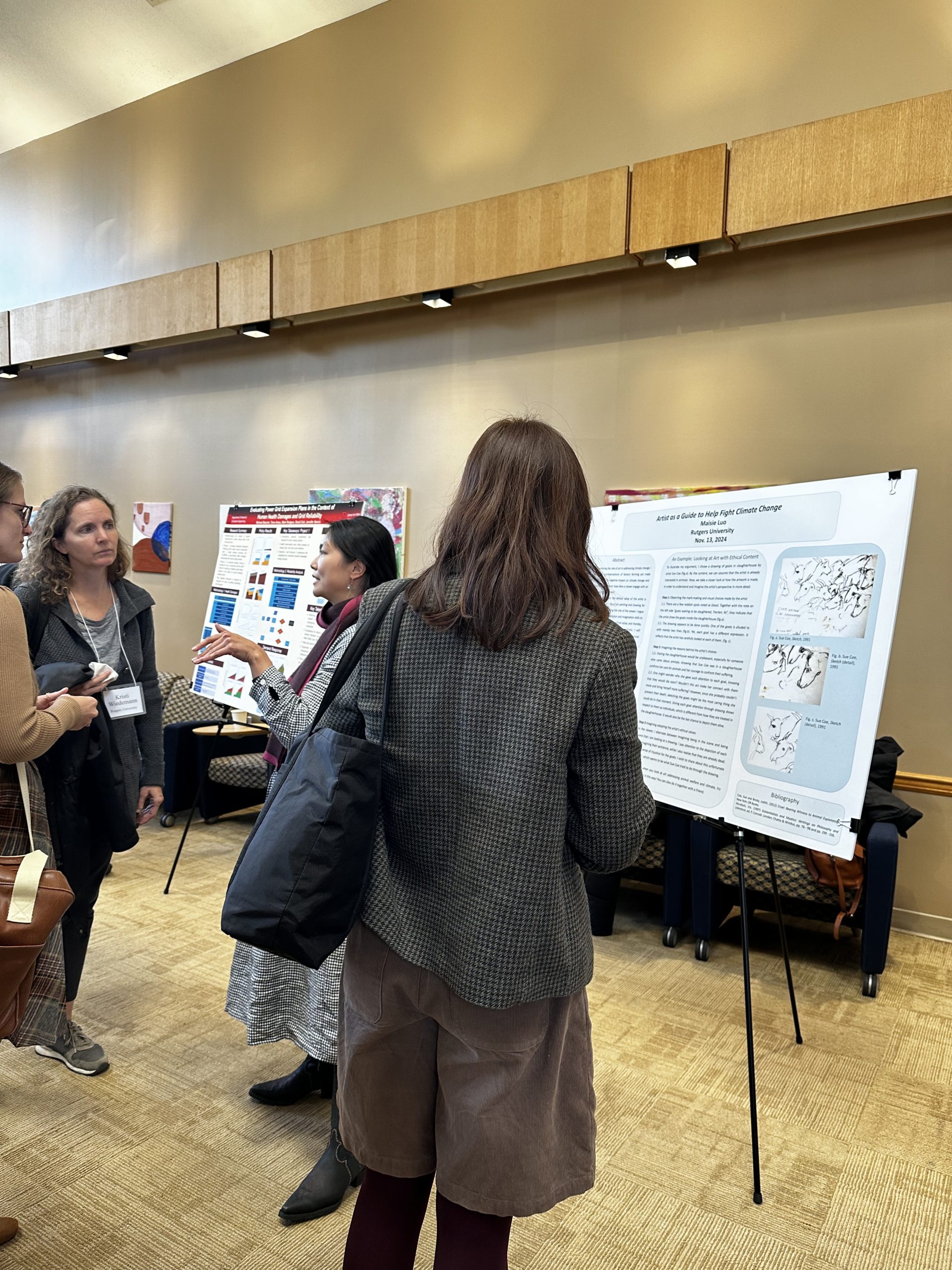
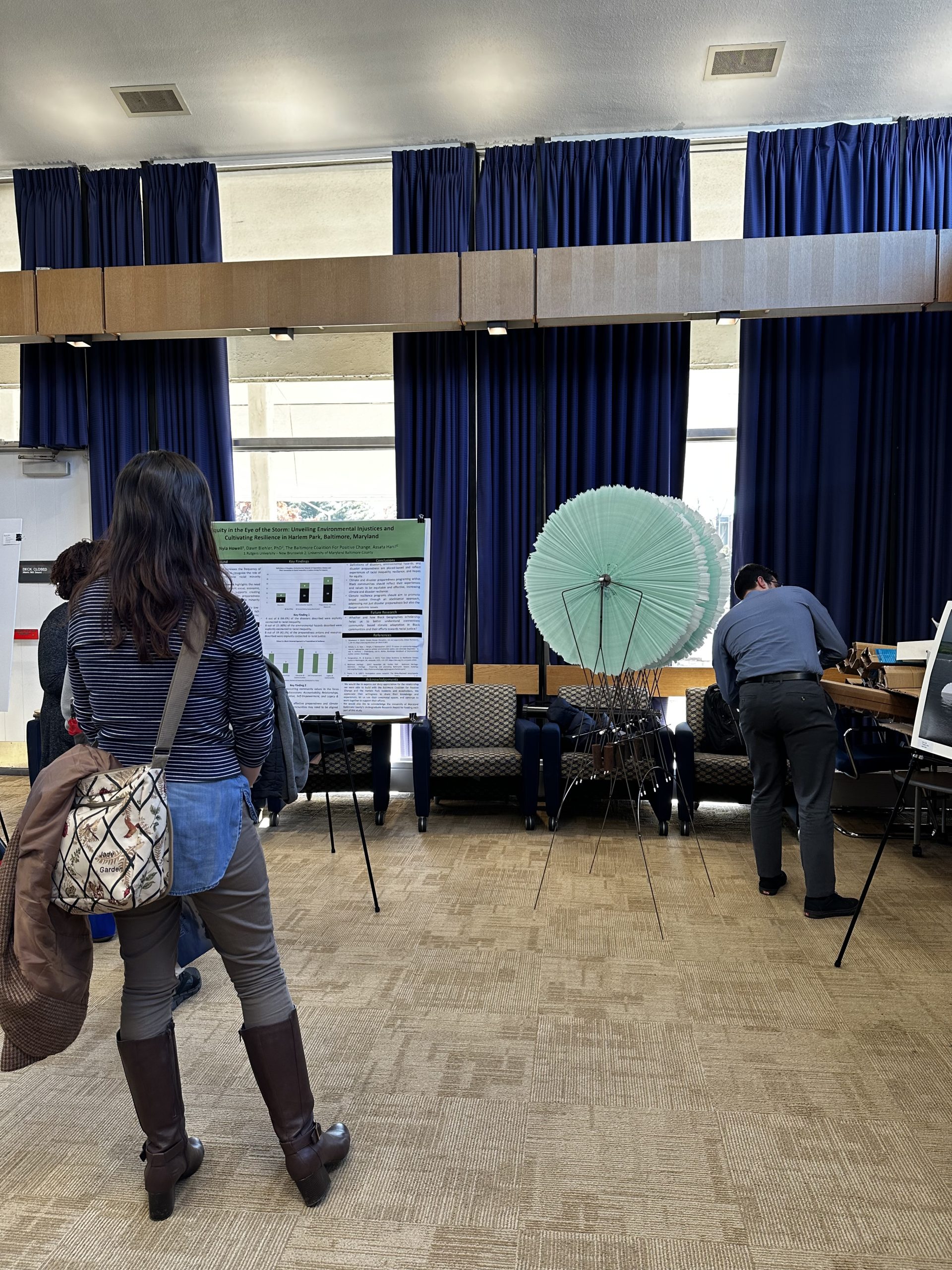
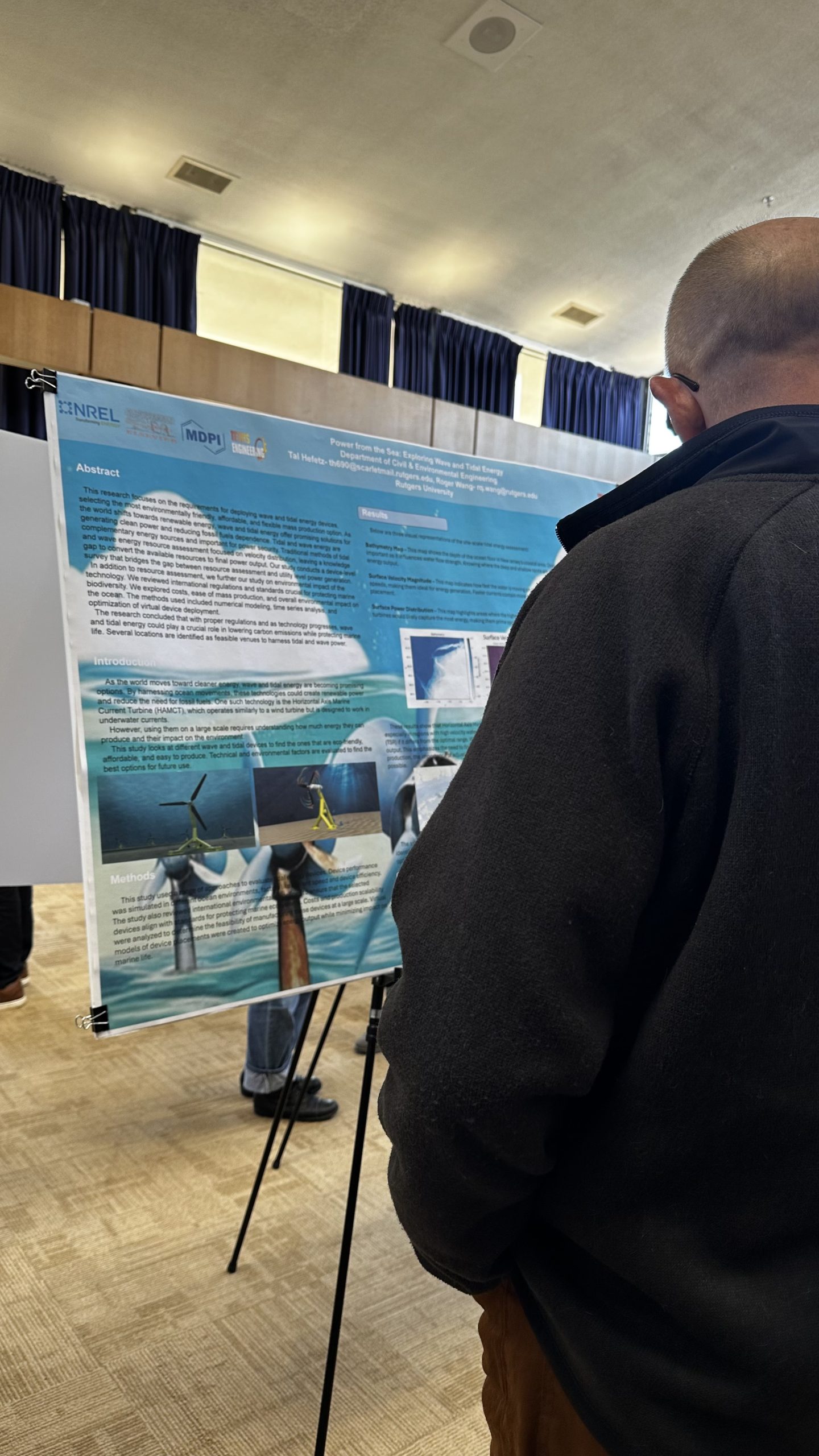
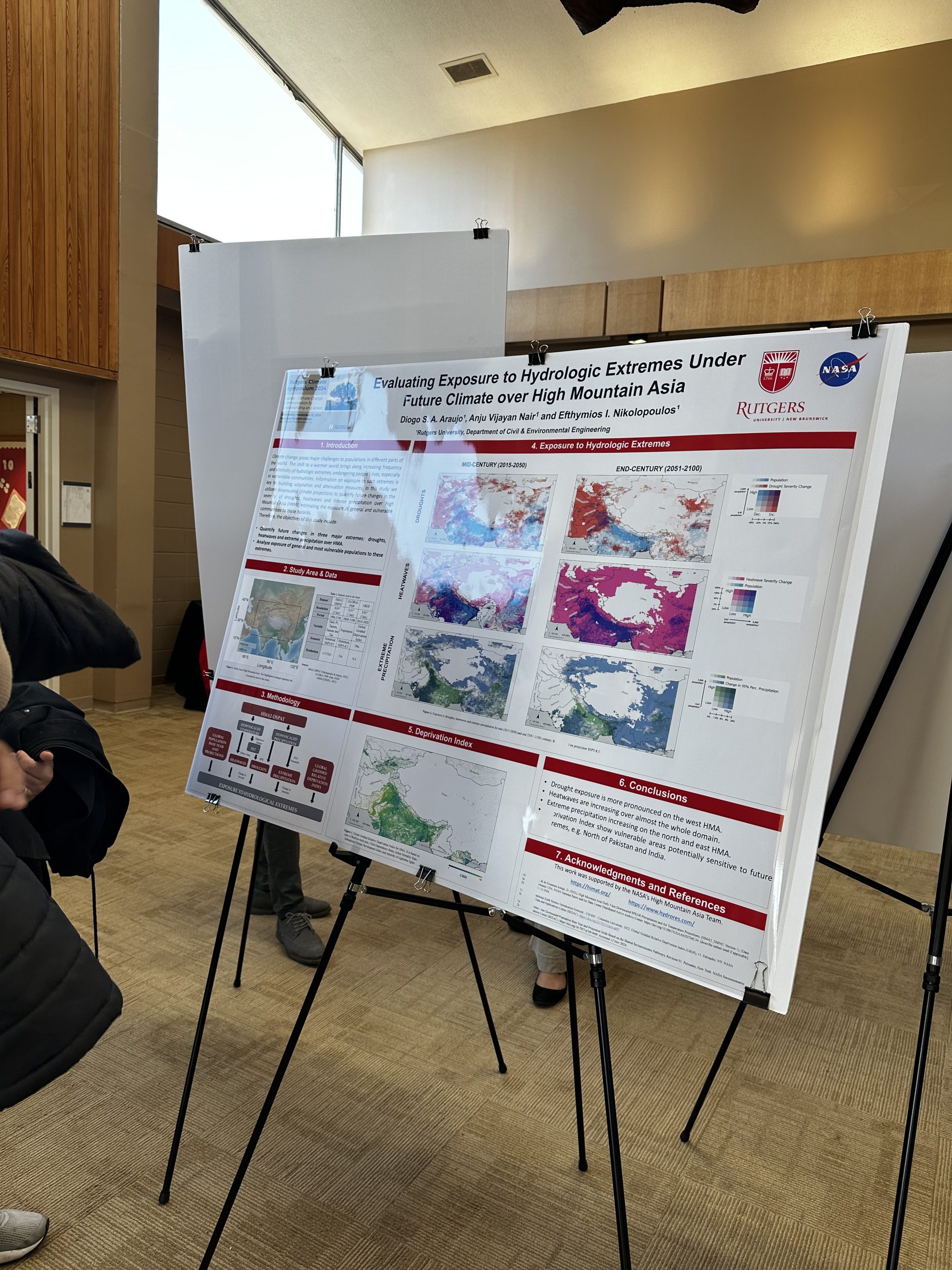
After a networking lunch, the afternoon was dedicated to a poster session. Researchers and students presented their work on various aspects of climate science, renewable energy, and environmental policy. Presenters stood by their posters, facilitating in-depth discussions and fostering collaborations among attendees.
The symposium exemplified Rutgers University’s commitment to addressing climate change through interdisciplinary collaboration and effective communication. By bringing together diverse perspectives, the event highlighted the importance of collective action in tackling environmental challenges.