Design Lecture Series: Sherry Muyuan He

Typography Beyond Borders: September 30, 2025

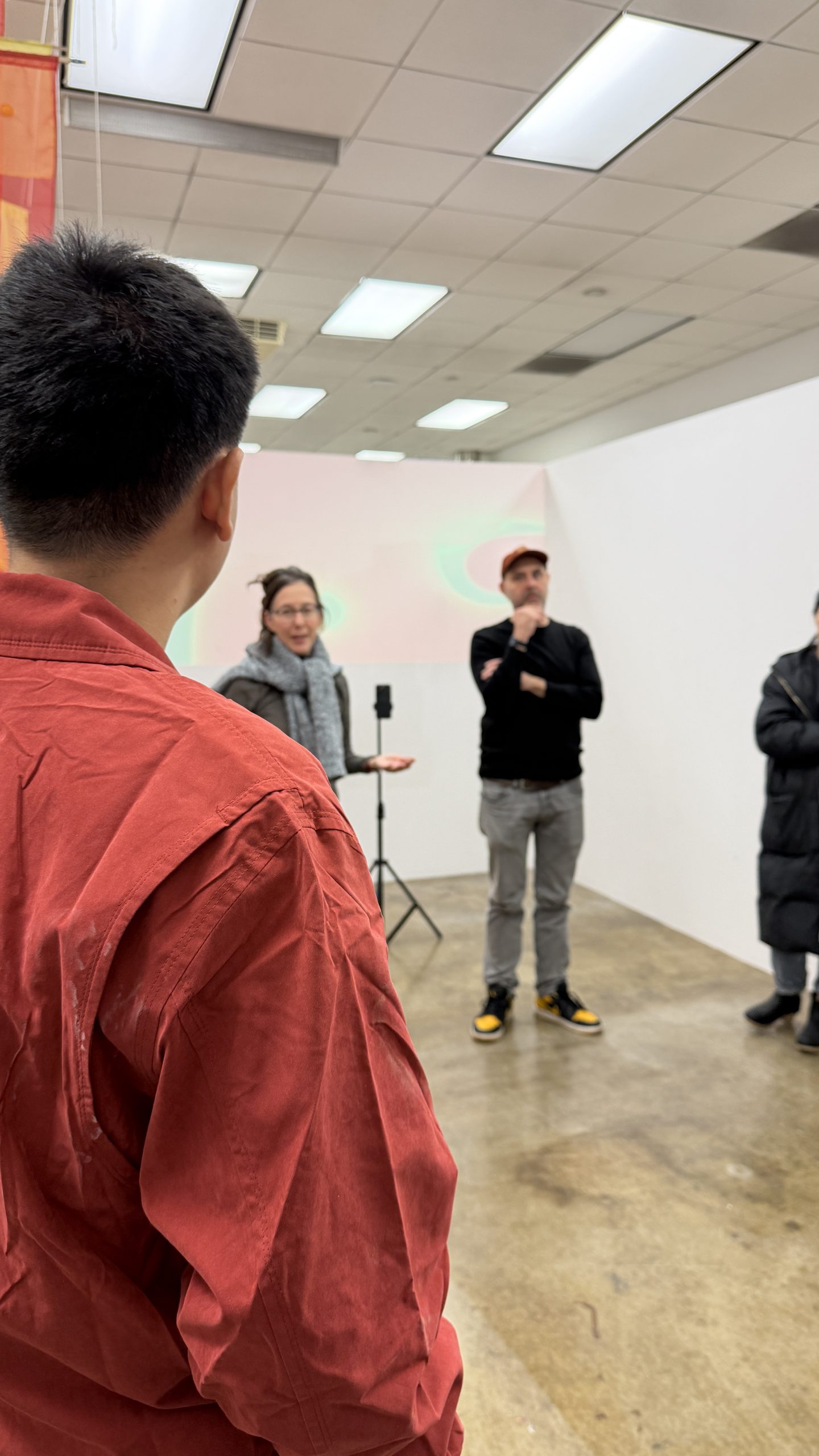
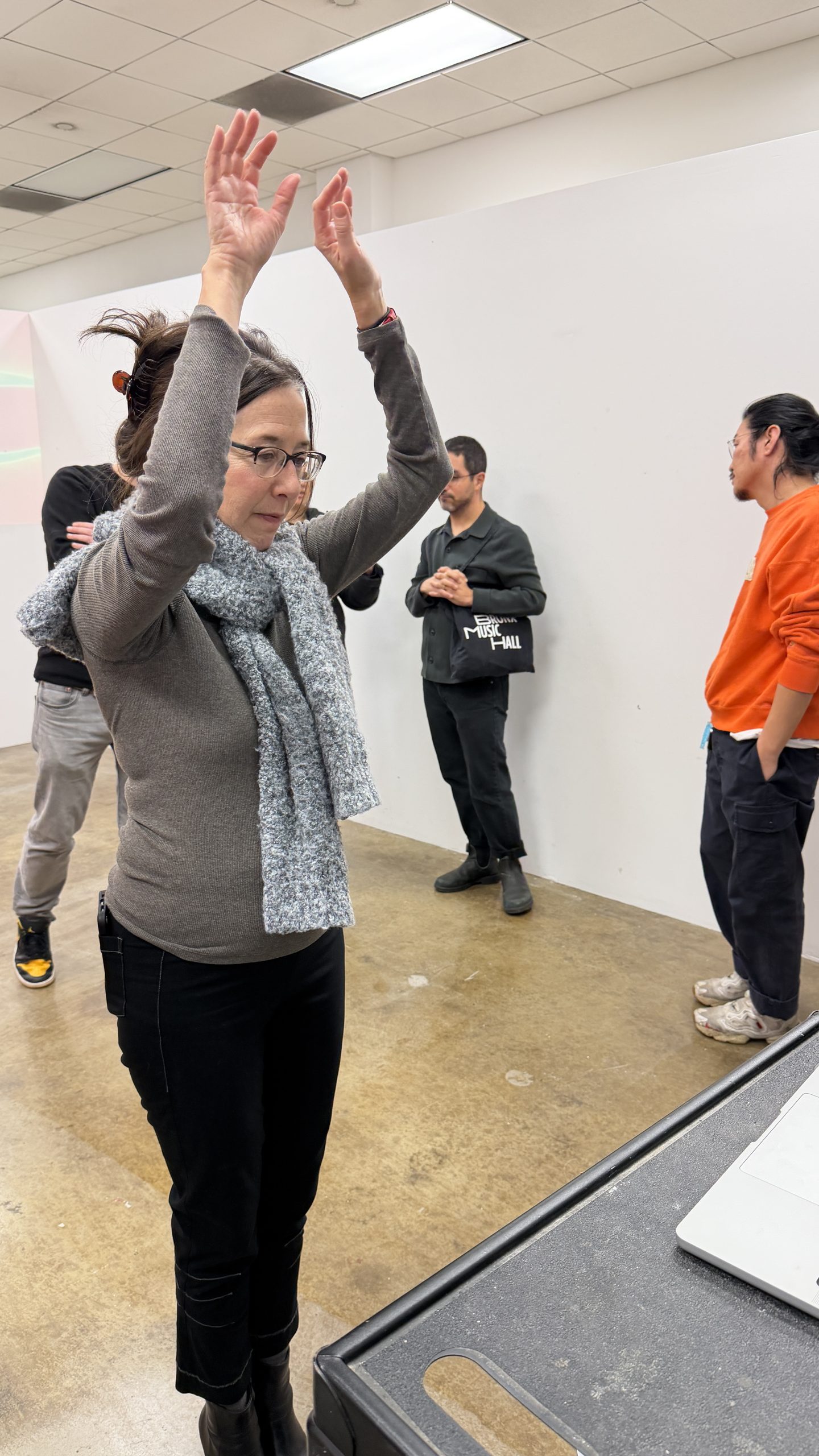
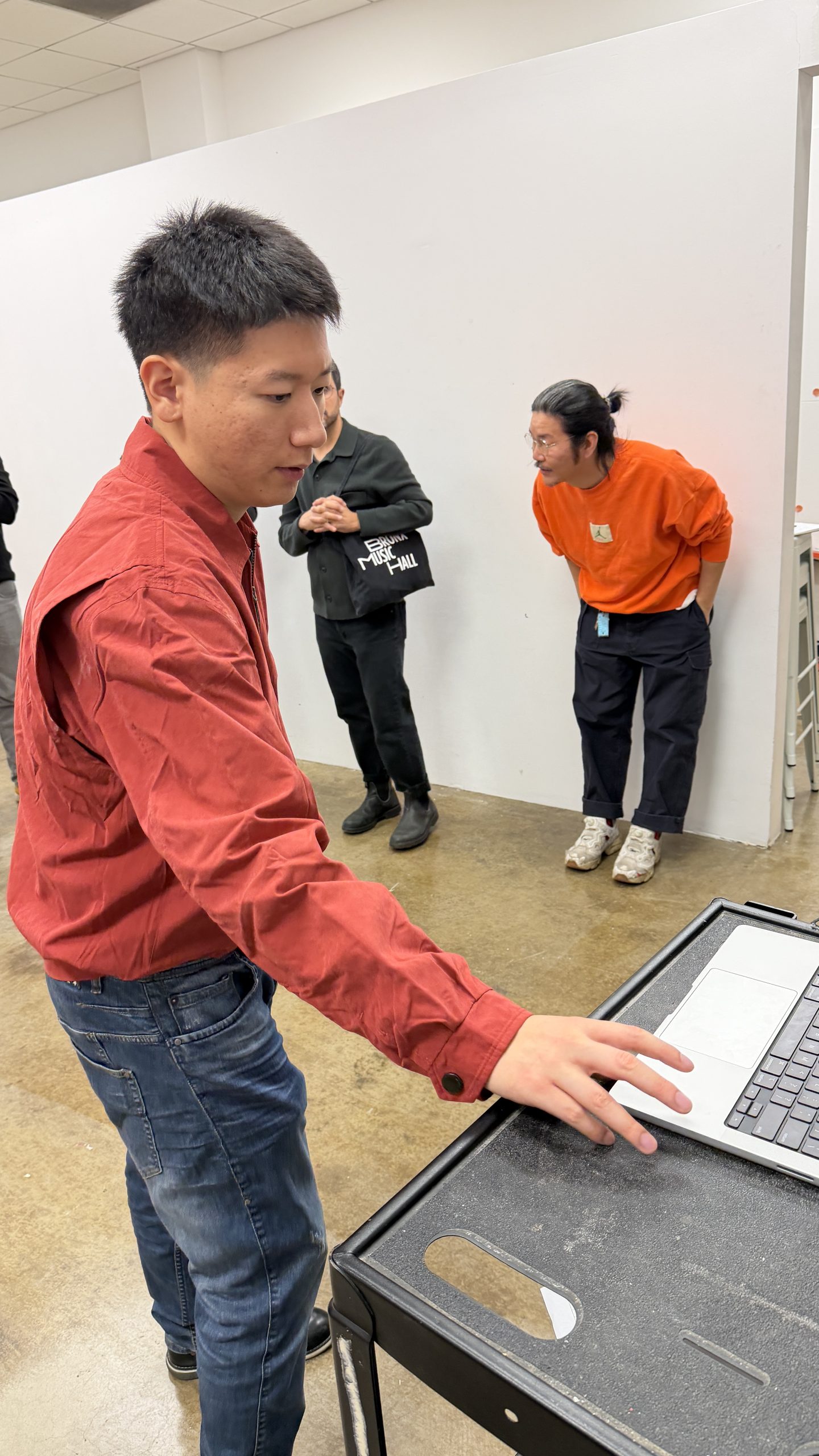
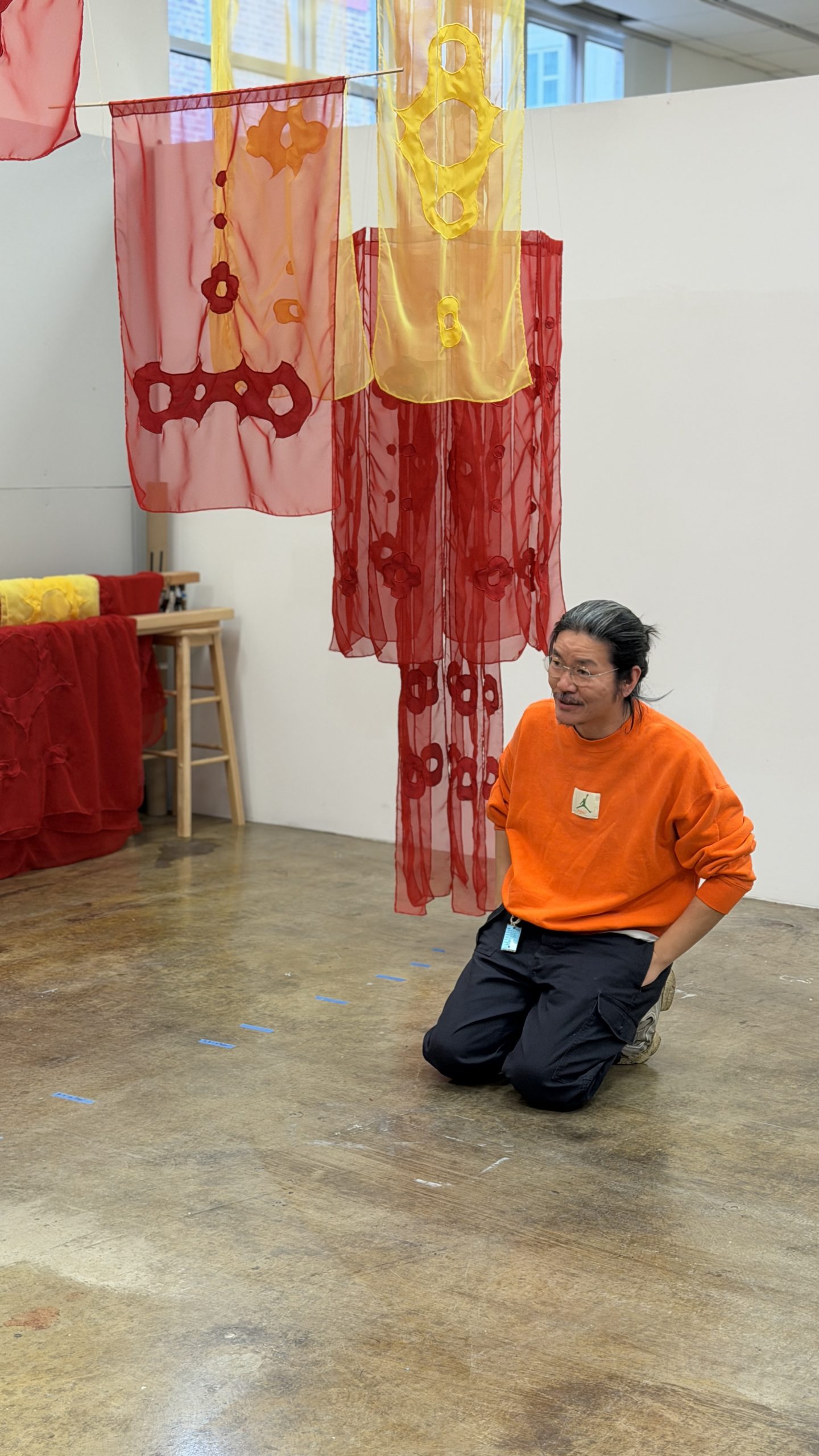
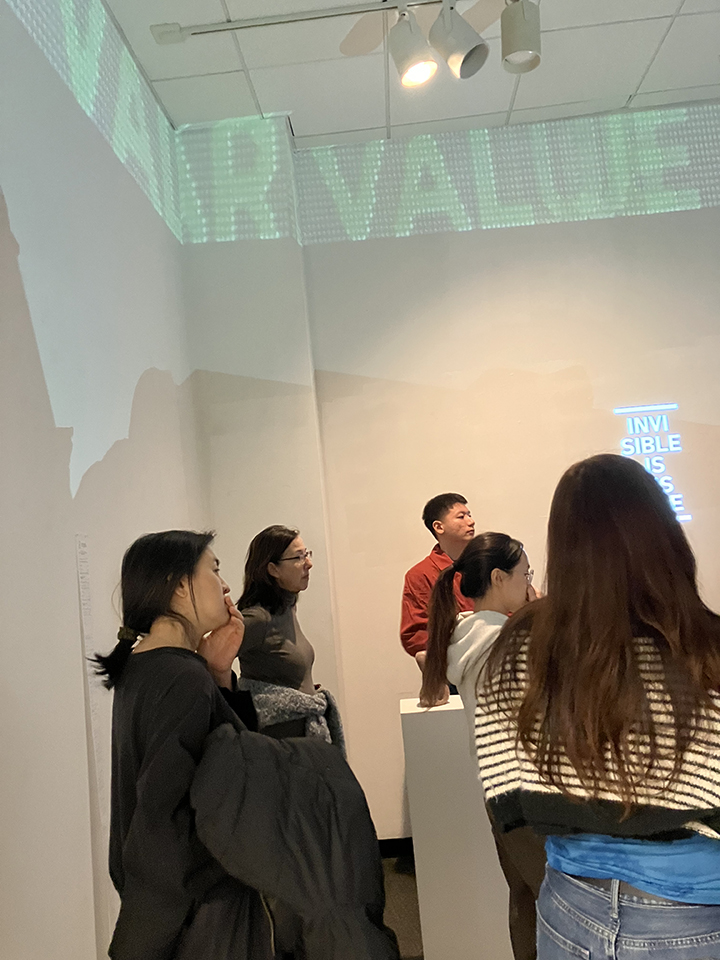
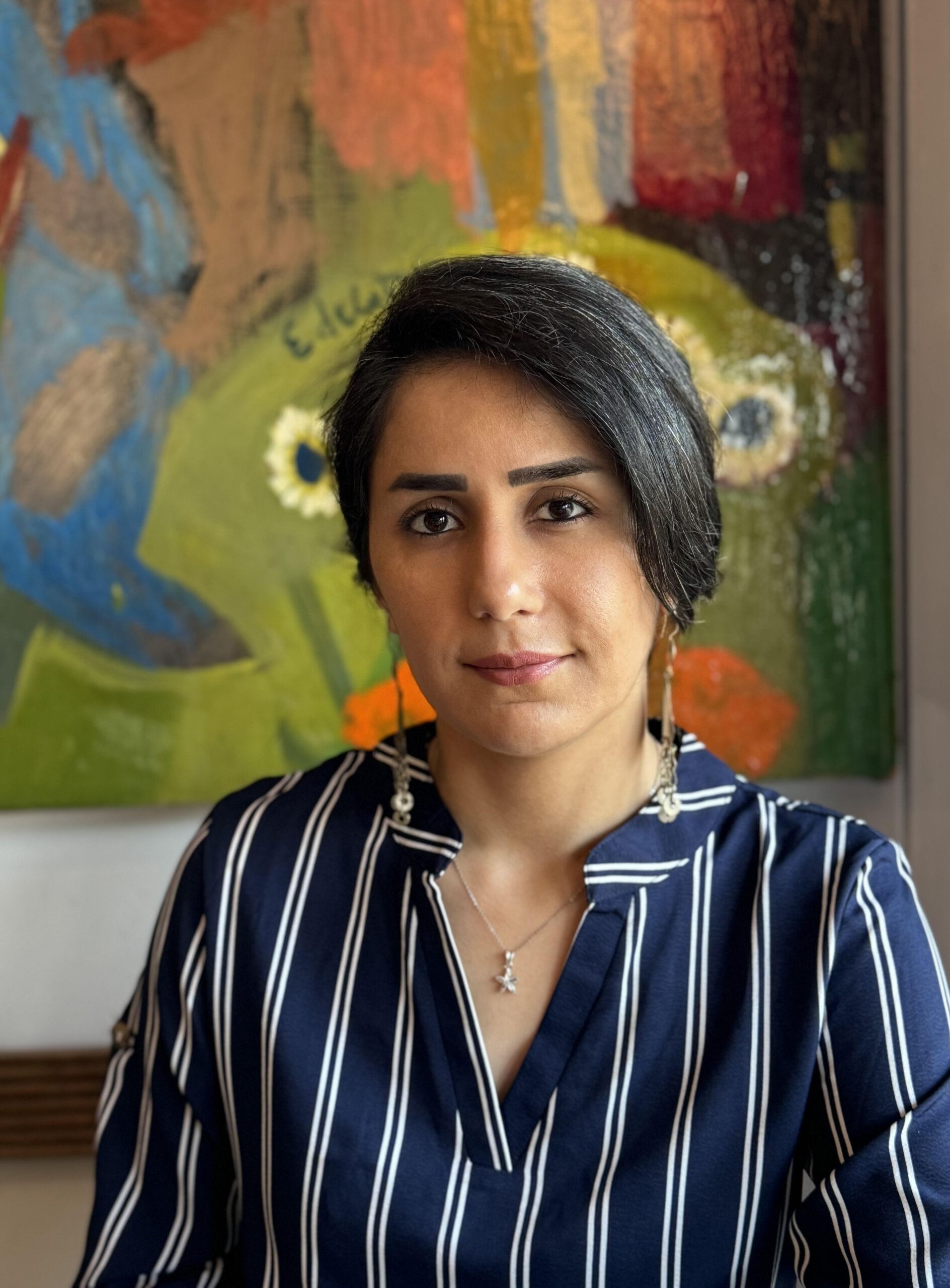
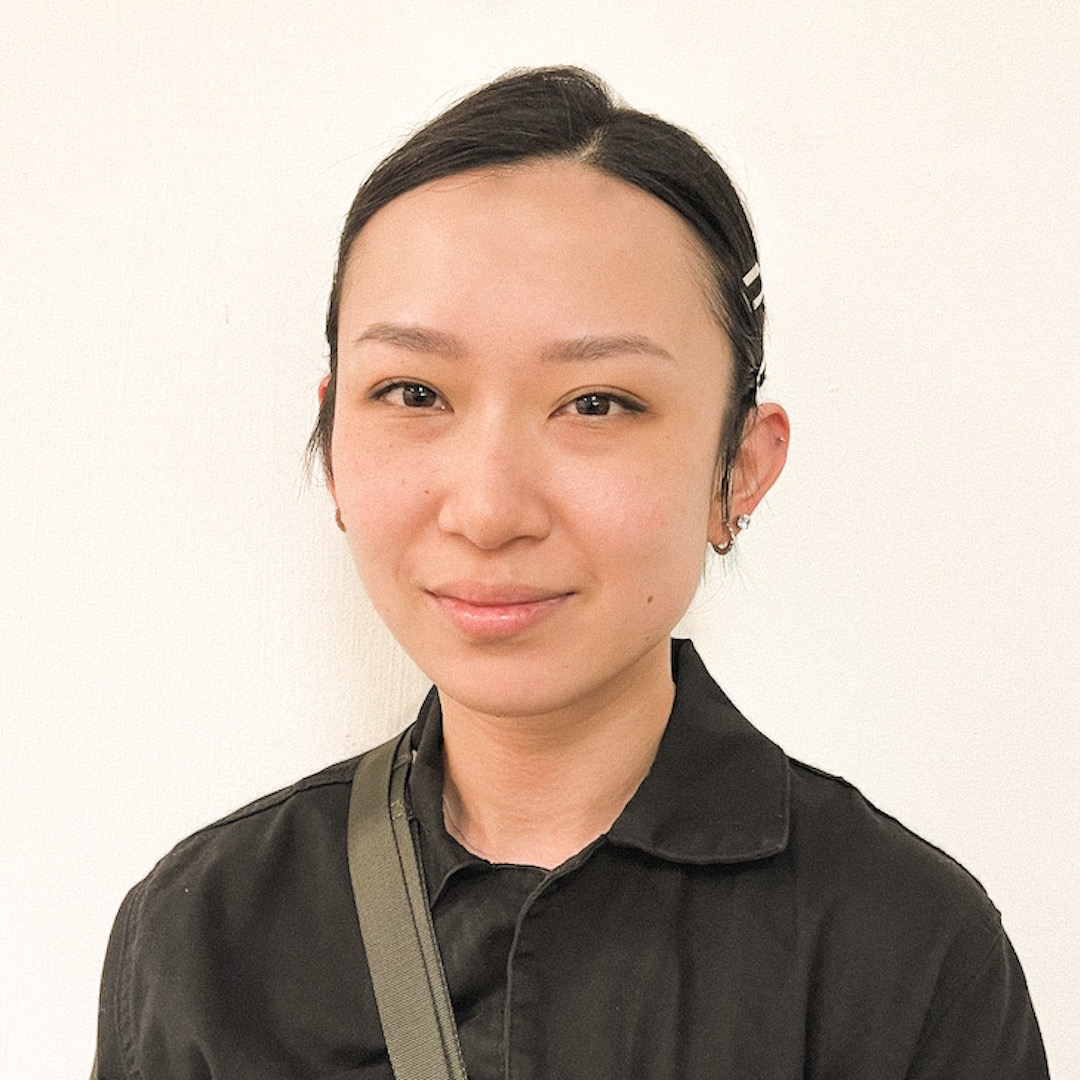
On September 30, the Mason Gross Design community welcomed Sherry Muyuan He, assistant professor of graphic design at the City College of New York, for an inspiring talk about typography across languages and cultures.

Sherry is the author of Typography Beyond Borders, forthcoming from BIS Publishers in November 2025. Her practice explores global writing systems including Arabic, Armenian, Burmese, Chinese, Russian, Ethiopic, Georgian, Greek, Hebrew, Japanese, Khmer, Korean, Mongolian (Traditional), Persian, and Thai. With deep curiosity and empathy, Sherry invites designers to move beyond Western typographic traditions and embrace a more inclusive and multicultural design perspective.

During her lecture, Sherry shared her creative journey from playful early projects such as books designed to look like breakfast foods to her research on global typography. Her curiosity grew while teaching multilingual students who spoke Arabic, Armenian, Burmese, Mongolian, Persian, and many other languages. Seeing the lack of design resources for non-Latin scripts, she began collecting and studying them to make their beauty and logic more visible in design education.

Sherry discussed how writing systems like Thai, Arabic, Korean, and Japanese each have unique rules of rhythm, connection, and emphasis that differ greatly from Latin design principles such as italics or kerning. She showed how scripts stretch, link, and shift to convey sound or meaning, explaining that what may appear as mistakes in Western typography are essential design features in other traditions.

Questioning the idea of bi-scriptural design, which often centers English, Sherry encouraged designers to see non-Latin scripts as independent systems with their own visual sophistication and identity. She emphasized that typography is a living, human system that reflects how people communicate and connect across cultures.

About the Book: Typography Beyond Borders

Sherry’s upcoming book Typography Beyond Borders expands on the ideas she presented in her lecture. In today’s global design world, it is increasingly important for designers to create work that connects with diverse audiences. The book is written for designers and students whose native languages do not use the Latin alphabet, as well as educators seeking to build more inclusive classrooms.

By comparing typographic principles across multiple writing systems, Typography Beyond Borders fills an important gap in design education, which has long been dominated by Latin-script models. It offers practical guidance and visual insights for developing culturally sensitive and globally aware design approaches.

Design students will gain confidence in drawing inspiration from their own linguistic and cultural backgrounds, while educators will discover new ways to teach with empathy and inclusion. As Sherry reminded the Mason Gross audience, understanding typography across borders means understanding people and designing with care, respect, and imagination.

Mason Gross Design Research: Rachel Herring

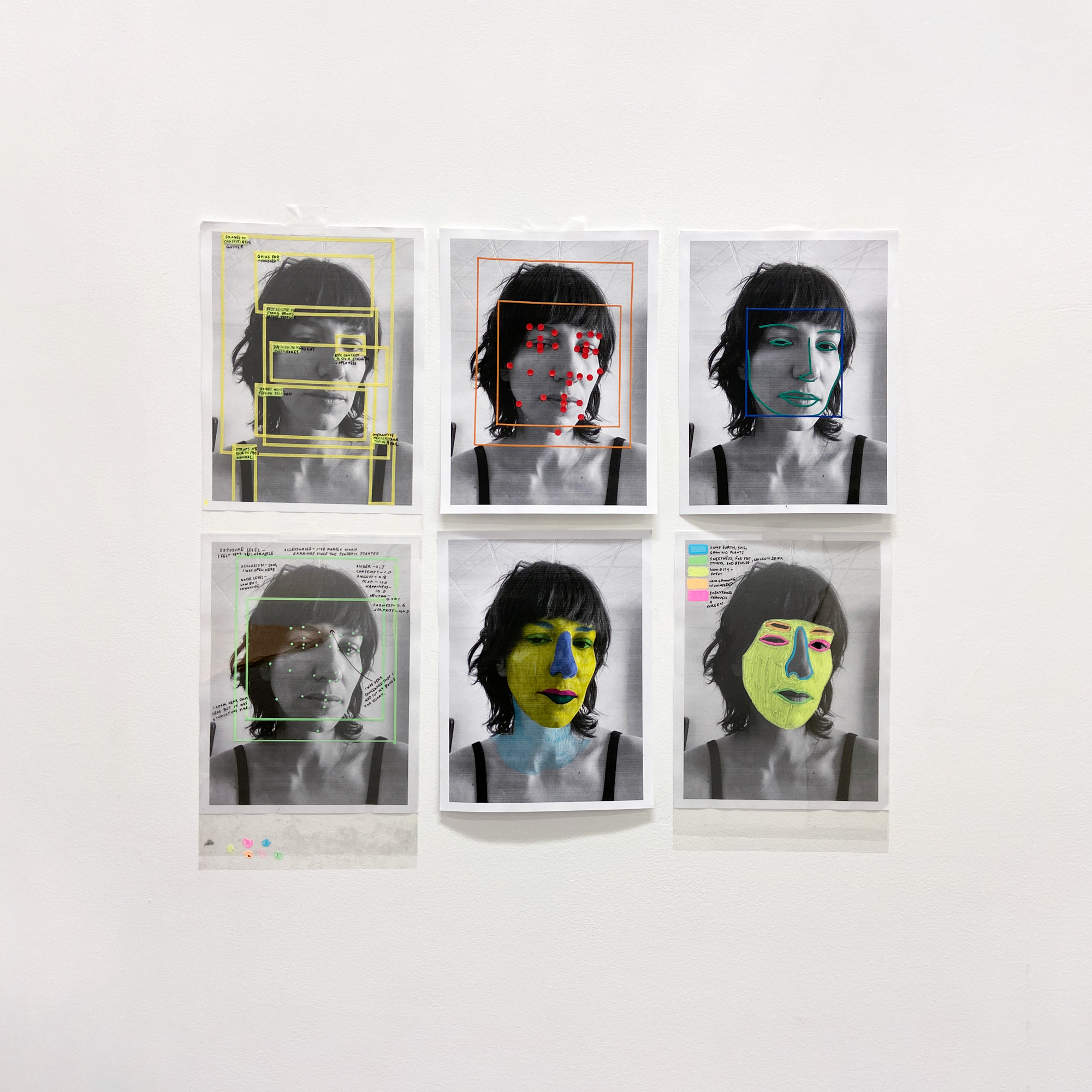
MFA in Design alumni, Rachel Herring, is an educator, writer, and designer creating work at the intersection of techno-critique, design ethics, and participatory research. She was recently appointed as a tenure track assistant professor at Rochester Institute of Technology. Her projects reclaim systems and technologies of power through democratic design. This framework prioritizes user agency, participation, and customization, seeking to transform design from a static product into a dynamic process. Her projects interrogate how everyday technologies, particularly the smartphone mediate behavior and perception, and propose methods for reclaiming time and attention through structured interventions.

Rachel’s work interrogates how technologies organize perception and behavior and proposes modes of regaining time and attention through concerted intervention. We examine this approach via two of Rachel’s works: Cellular Balance, a collaborative workbook, and 53 Days, an interdisciplinary installation.

Cellular Balance Workbook

Redesign Your Smartphone and Reclaim Your Time

Cellular Balance began during the pandemic and developed through three years of iterative research. The project encompasses an interactive four-week workbook, a responsive website, socially active workshops, and an experiential installation. It is a toolkit for those who wish to reengineer their smartphone relationship without doing away with digital devices.

Rachel’s work comes out of her experience with phone addiction, especially the disintegration of time resulting from excessive screen usage. From a foundation of design ethics, behavioral science, and anthropology, she developed an experimental approach to changing phone use through design interventions. These included visual streamlining, content rearrangement, and reducing apps all in the service of refashioning reflex behavior into intentional action.

The workbook builds on this strategy. It includes formal exercises and reflective questions that encourage incremental changes in behavior. Most importantly, the workbook is also designed to be flexible. Readers are encouraged to annotate, rewrite, and adapt its pages to meet their specific needs. This design is a reflection of Rachel’s broader commitment to participatory models, as outlined by Sheila de Bretteville: “Control is undermined by ambiguity, choice, and complexity.”

Data collected across four major workshops including a five-day study with 20 participants and a month- long prototype with seven shaped the project’s form and pedagogical strategy. These studies utilized surveys, exit interviews, and mixed-methods research. Participants reported reduced anxiety, improved attention spans, and increased engagement with the physical world. Many highlighted the workbook’s role in slowing their perceptual tempo, allowing for deeper concentration and rest.

A recurring theme in participant feedback was the importance of slow transitions. Rachel responded by organizing the workbook into a sequential format, beginning with low-resistance interventions and culminating in more advanced changes. These patterns align with neurological insights into dopamine production and reward cycles, especially those triggered by smartphones. As explained by participants, the value of the workbook resided beyond reduced screen time. It offered tools for regaining control over attention and redefining digital presence on their own terms.

The workbook is available in print and as a free download through cellularbalanceworkbook.com, continuing Rachel’s commitment to open access and equitable design dissemination. The platform reflects her belief that intentional design does not require commercial gatekeeping to be impactful.

53 Days

A Multisensory Installation on Time, Perception, and Presence

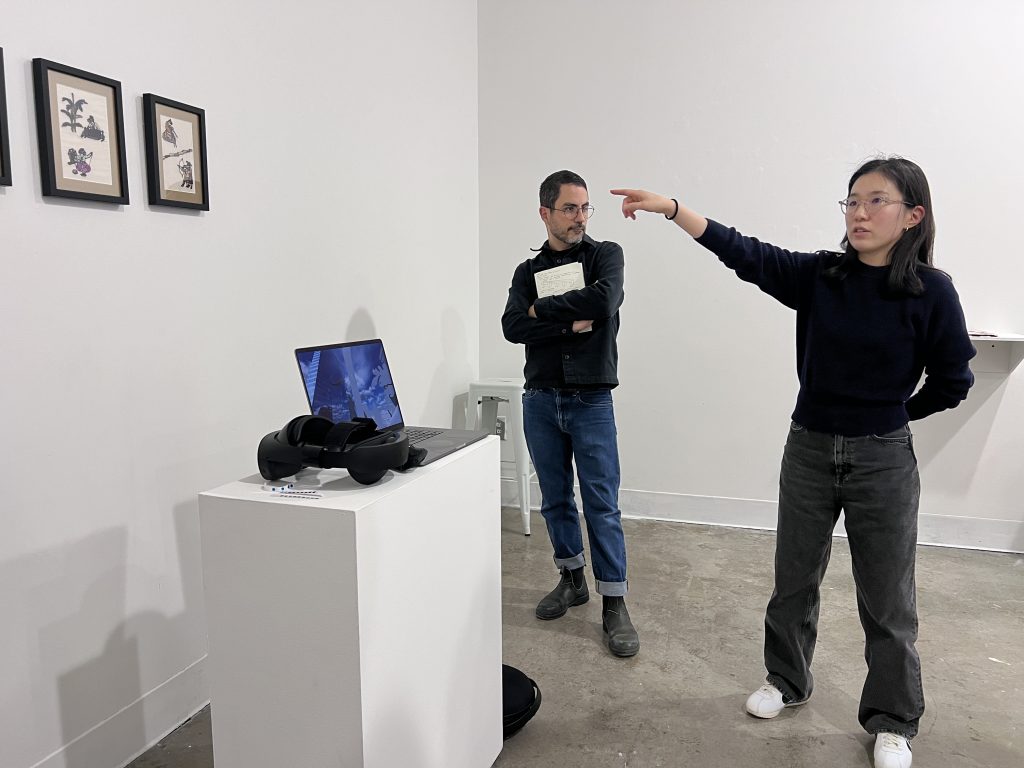
53 Days takes into account the aspects of space and time as concerns for engaging attention. In parallel with the Cellular Balance piece, this work formalizes Rachel’s research into a space which invites expansive, distraction-free attention to light, sound, and space.

The core of the installation is a 3.5 hour, three-channel video projection documenting shifts in natural light patterns on a surface. Domestic seating materials occupy the gallery space, designed to support stillness and lingering presence. The public is invited to silence their phones to airplane mode upon entry, establishing a temporary disconnection from external notifications and online responsibilities.

The duration of the video equates proportionally to the time Rachel gained back on a daily basis through her phone interventions: 3.5 hours, or approximately 53 days per year. This intangible connection confirms the main argument of the installation. that time, having been previously re-directed by intentional design, can be encountered sensorially and rematerialized.

Inspired by slow cinema, Uta Barth’s photography, and works such as Are We Human by Beatriz Colomina and Mark Wigley, 53 Days situates design in a longer trajectory of perceptual inquiry. Design is not only an interface but an environment that shapes embodied attention. The environment becomes a sundial, utilizing the natural cycle of light to quantify duration and presence, and not productivity.

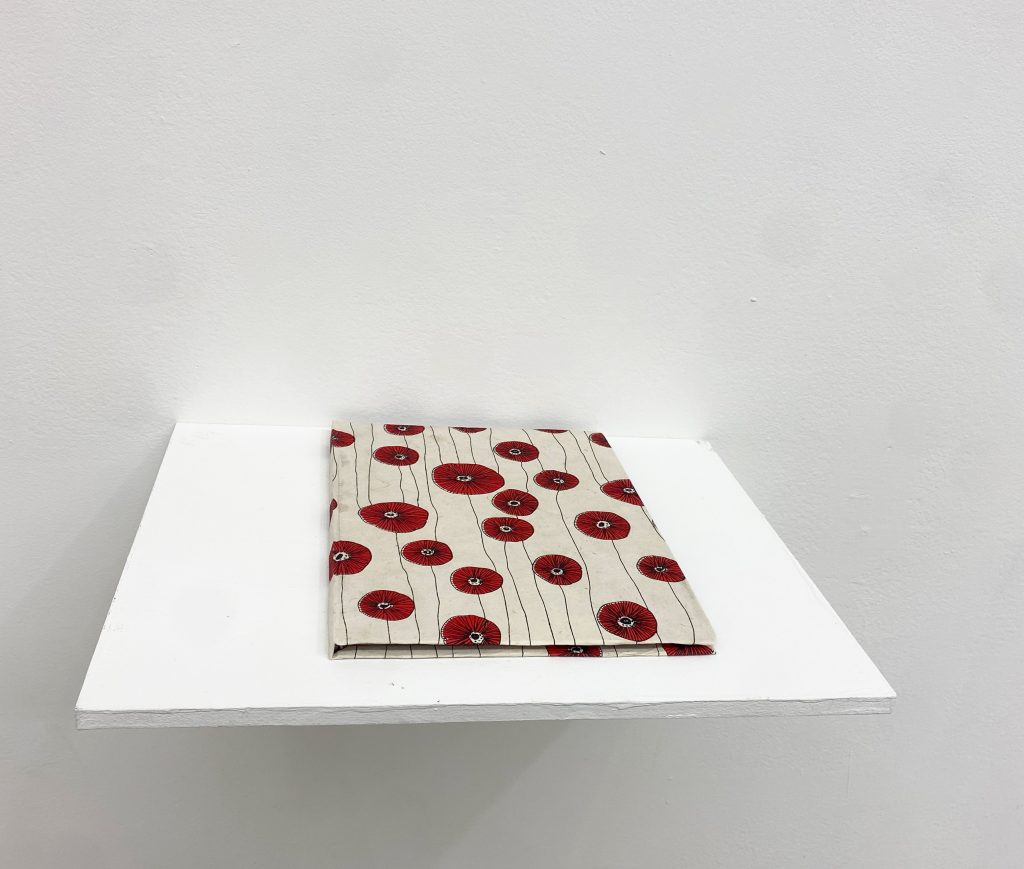
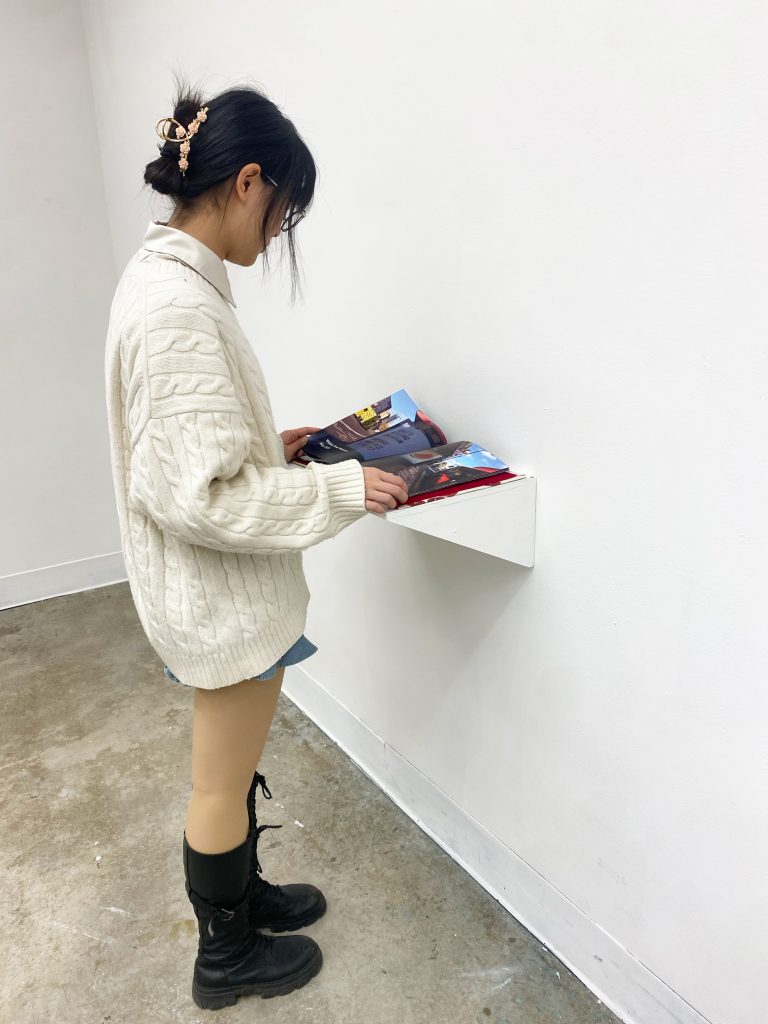
Each item in the space from the furniture to the books is intended to be used. This dispenses with the passive spectator convention of the conventional gallery and reinstates the participatory imperative of Rachel’s larger design practice. Individuals are invited to sit, think, and linger for as long as desired, representing a distinct mode of engagement grounded in autonomy and slowness.

Through these projects, Rachel proposes a larger model of design, one which prefers collaboration over control, reflection over optimization, and participation over prescription. Her work refigures design as a public space of critical reflection and inquiry, one which is responsive to human conduct, perceptual systems, and the sociopolitical character of everyday tools. Through access, choice, and time, her work overturns the dominant regimes of the attention economy and affirms the ability of design to enable autonomy and lived complexity.

Rutgers Design Research Spotlight

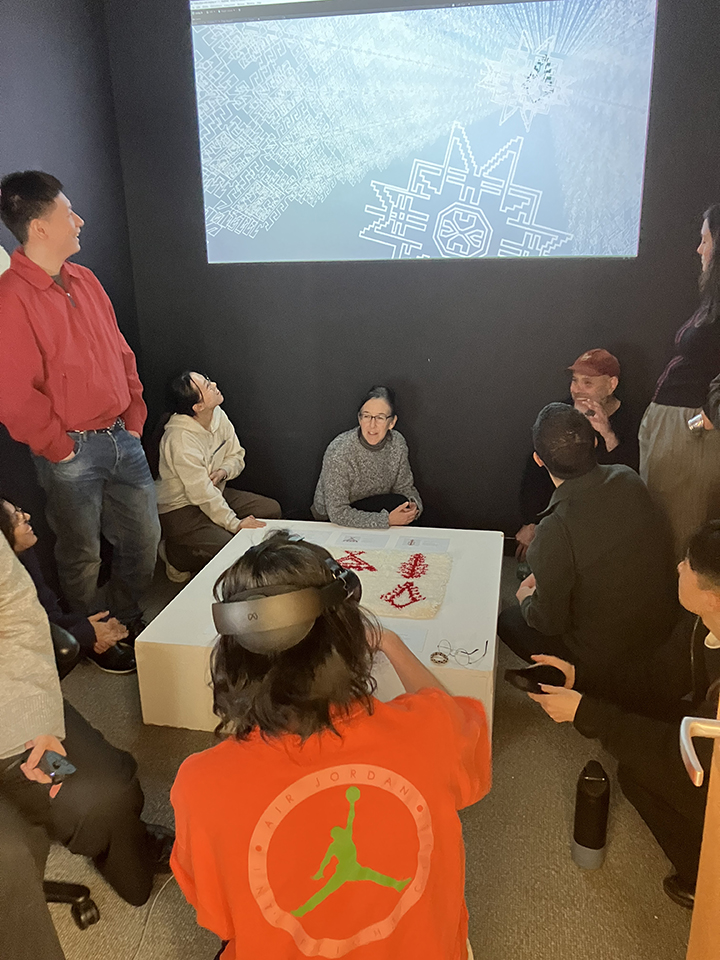
On October 29, 2024, the Rutgers Design Research Spotlight brought together alumni, faculty, and students of the MFA Design program at the Flea Theater in New York City. The event celebrated the innovative research and creative achievements of recent graduates, showcasing diverse approaches to design. Hosted by artist and designer Chat Travieso, the new Tepper Chair in the Department of Art & Design, the evening featured presentations from graduate speakers Corina Coughlan, Rachel Herring, and Melisa Tekin.

The event marked the fifth year of the graduate program, and was an evening of conversation, networking and exchanges about design as a tool for inquiry, critique, speculation, as well as communication. Attendees included alumni, academics, educators, Mason Gross Dean Jason Geary, faculty members Atif Akin, Sue Huang, and Jacqueline Thaw, along with current MFA Design students. The event opened with a welcome speech by MFA in Design Director Professor Gerry Beegan. He introduced the presenters and highlighted the purpose of the spotlight event: to celebrate the creative potential of design as a tool for critical engagement and change.

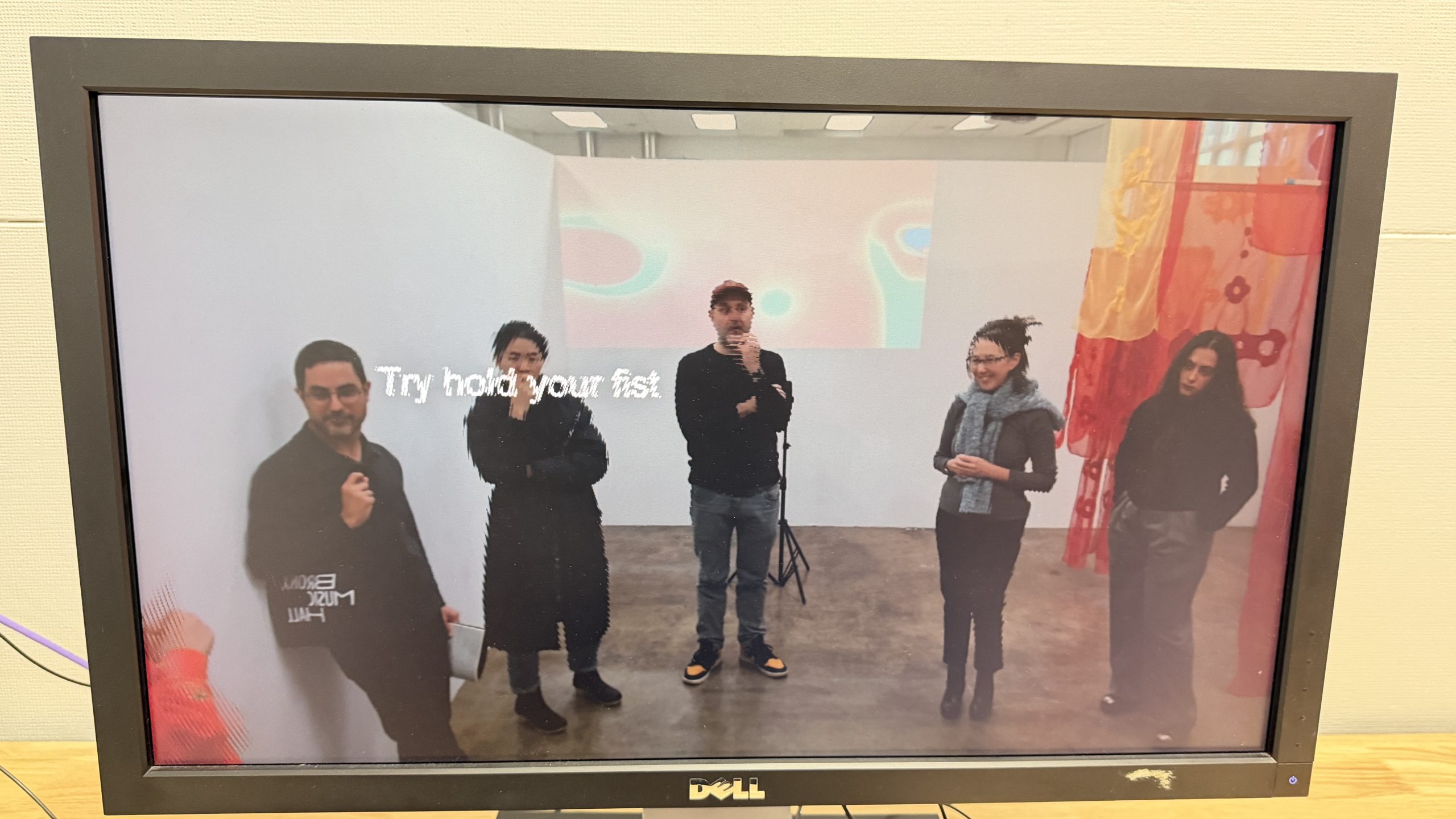
Chat Travieso began the presentations with a compelling talk on the social impact of design. As co-founder of Yeju & Chat, his work spans community-based urban interventions and public art, fostering inclusivity in cities. Chat examined the engagement of Bronx communities in the research process for a series of Boogie Down Booths produced over a five year period in partnership with the NYC Department of Transportation. The design team sought to address many of the concerns heard from local residents and business owners who participated in community workshops. The Booths provides seating and lighting, and involved music that originated in the Bronx (curated by Bronx Music Heritage Center). The music both celebrated the rich musical heritage of the borough and in some iterations covered up train noise. The various iterations of the Booths involved young and old residents in temporary social interventions driven by community needs. “I want my students to be civically engaged and be conscious of their impact on the world,” he shared, emphasizing the importance of civic awareness in design practice.

Rachel Herring followed with a reflective presentation on her practice as an educator, writer, and designer. Her work explores design ethics, techno-critique, and participatory research, inspired by her background as an art director in Manhattan’s beauty industry. Rachel discussed the collaborative research that resulted in her book Cellular Balance Workbook: Redesign Your Smartphone and Reclaim Your Time. The content and design of the workbook were informed by a series of workshops that included activities, surveys and exit interviews. Through this feedback Rachel realized the book was not just about our phones but about a reclamation of time in our lives. Her participants noted how spending less time on their phones made them more enamored by the physical world. They were generally more content because they weren’t constantly in the aestheticized worlds created in phones. Responding to these themes, her thesis exhibition 53 Days, created an immersive experience that activated the viewer’s sense of sight, sound, touch, and smell. In a world where everything is designed, she hopes to democratize design by creating products with the consumer and allowing them to customize products to best suit their individual needs. Design, she argued, is meant to be used, touched, and redesigned. Rachel’s mission to create customizable products and promote a slower, more intentional approach to life resonated deeply with the audience.
Corina Coughlan’s presentation delved into her exploration of feminist narratives, particularly around the female body and performance data. The talk traced her research journey at Rutgers which started with her using data to track her performance as an Varsity athlete. Over the course of the MFA, Corina expanded these limited data sets to data communication and storytelling that encompassed embodied subjectivity. Her approach was very much Informed by a data feminist approach, in which she used her personal data to question the value of qualitative data in sports performance. One important tool was journaling with allowed her to engage with the subjective factors in performance, listen to her body and adjust her performance and training. Her Training Diary for Menstruating Athletes opened up conversations on her rowing team between the rowers and eventually with the coaches. By humanizing data through visual storytelling and immersive experiences, Corina seeks to bridge the gap between data communication and personal narratives, adding emotional depth to abstract concepts.

Lastly, Melisa Tekin presented her research on housing and placemaking. As the founder of Neighbors design studio and Assistant Professor of Visual Communications at SUNY Farmingdale, Melisa uses design to address critical housing challenges in New York City. Her work invites community participation and emphasizes collectivism in urban spaces, offering innovative solutions to issues of accessibility and transparency.

The evening concluded with a lively Q&A session, where attendees engaged with the speakers and shared reflections on the themes presented. Rachel’s focus on slowing down the pace of modern life particularly struck a chord, inspiring thoughtful discussions. The event wrapped up with warm conversations, leaving attendees energized by the impactful projects and meaningful dialogues that took place.

The Rutgers Design Research Spotlight demonstrated the depth and breadth of the MFA Design program, highlighting how design can address societal challenges, spark dialogue, and foster change.

Climate Change Symposium

On November 13, 2024, the Douglass Student Center at Rutgers University hosted the annual Climate Symposium, themed “Signals – Climate Change Communication for Understanding and Action.” This event brought together scholars, students, and professionals from the Mid-Atlantic region to discuss climate change, renewable energy, and strategies for reducing greenhouse gas emissions.

The morning session featured a series of insightful presentations:

Benjamin Santer, an atmospheric scientist affiliated with the Woods Hole Oceanographic Institution and UCLA, discussed his work on identifying human “fingerprints” in climate records. 

Katherine Blunt, a journalist and author, shared insights from her book, California Burning: The Fall of Pacific Gas and Electric and What it Means for America’s Power Grid, highlighting the intersection of climate change and energy infrastructure. 

Julia Watson, a landscape designer and founder of Julia Watson LLC & Lo-TEK Institute, presented on “Lo-TEK, Infrastructures of an Ancestral Future,” exploring sustainable design inspired by indigenous technologies. 

William Hallman, a Distinguished Professor of Human Ecology at Rutgers, examined effective strategies for communicating about climate change to foster understanding and action. 

Following the presentations, a dynamic question-and-answer session allowed attendees to engage directly with the speakers, delving deeper into the topics discussed.

After a networking lunch, the afternoon was dedicated to a poster session. Researchers and students presented their work on various aspects of climate science, renewable energy, and environmental policy. Presenters stood by their posters, facilitating in-depth discussions and fostering collaborations among attendees.

The symposium exemplified Rutgers University’s commitment to addressing climate change through interdisciplinary collaboration and effective communication. By bringing together diverse perspectives, the event highlighted the importance of collective action in tackling environmental challenges.

Design Research Spotlight: Embodied Data

MFA alum Corina Coughlan gives an overview of the research she will present as part of the Rutgers Design Research Spotlight on October 29 in Tribeca.

For the full picture RSVP: https://forms.gle/NVaWs8mbfwhXdT7VA

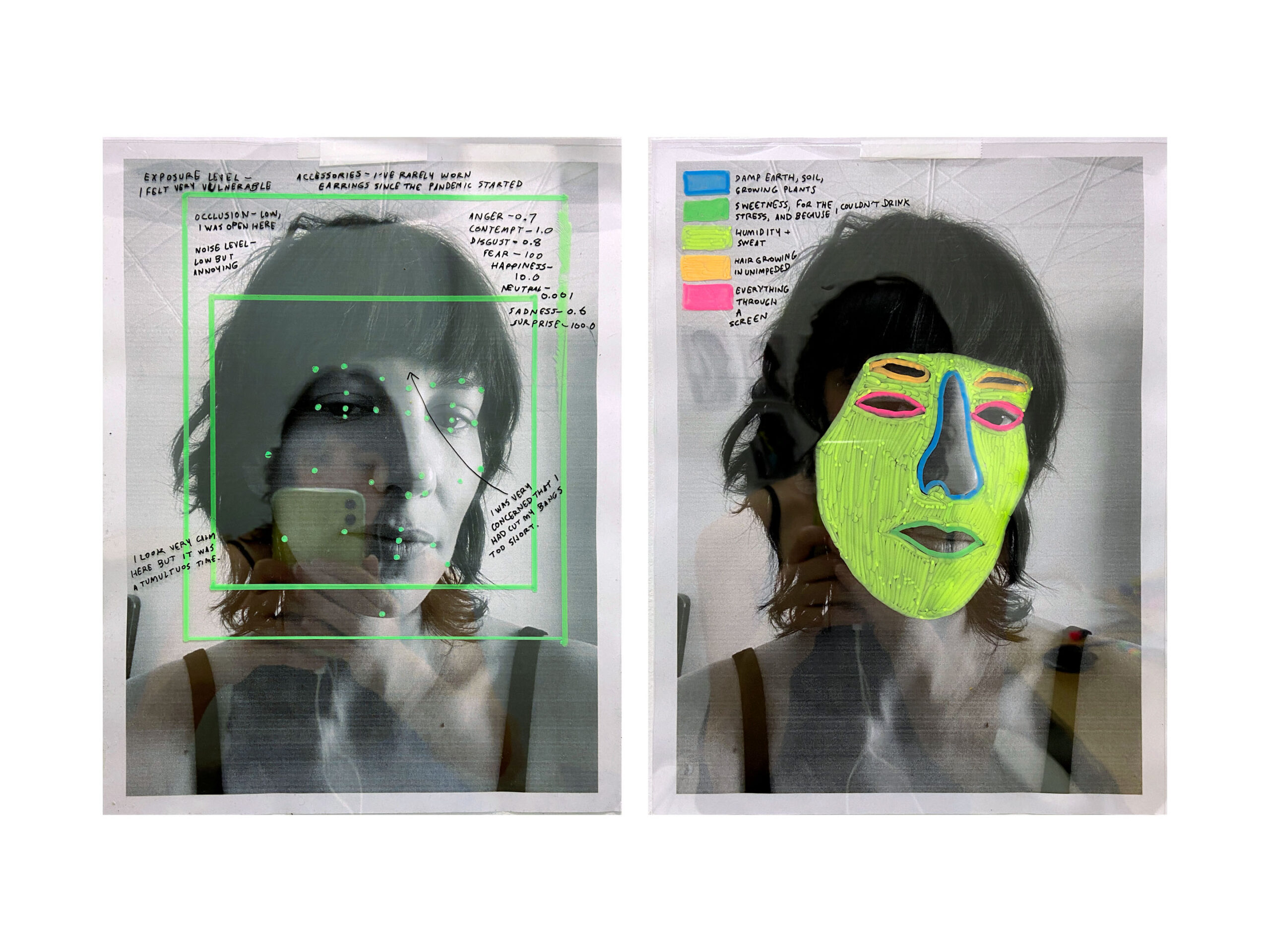
When moving to the States from Ireland for my MFA, I intended to focus my design research on sports data in relation to female athletes. I rowed at university level in Ireland and was now a Division One athlete on the Rutgers women’s rowing team. My performance has always been measured by data -collected, monitored, and ranked daily. Rowers spend much more time on specialist rowing machines name than we do on the water. For years, I have been tracking my performance through screenshots of machines and fitness wearables. So, I was deeply immersed in data about my body, yet this was exclusively quantitative, with no qualitative data. Over the course of the MFA, I expanded these limited data sets to data communication and storytelling that encompassed embodied subjectivity. Informed by data feminism, I used my personal data to question the value of qualitative data in sports performance.


My way into this was through journaling which allowed me to listen to my body and understand what recovery methods and approaches to training were needed. This inspired me to design a training diary for menstruating athletes, providing them with detailed information on the different phases of the menstrual cycle and its relationship to sports performance. This holistic space enables athletes to give weight equally to qualitative and quantitative data. This galvanized me to have more open conversations with my coaches about how the menstrual cycle affected my training. Other women on the team then started to have these conversations with each other and coaches – which was really inspiring and empowering. Coaches, who are mostly male, rarely have these conversations otherwise. 


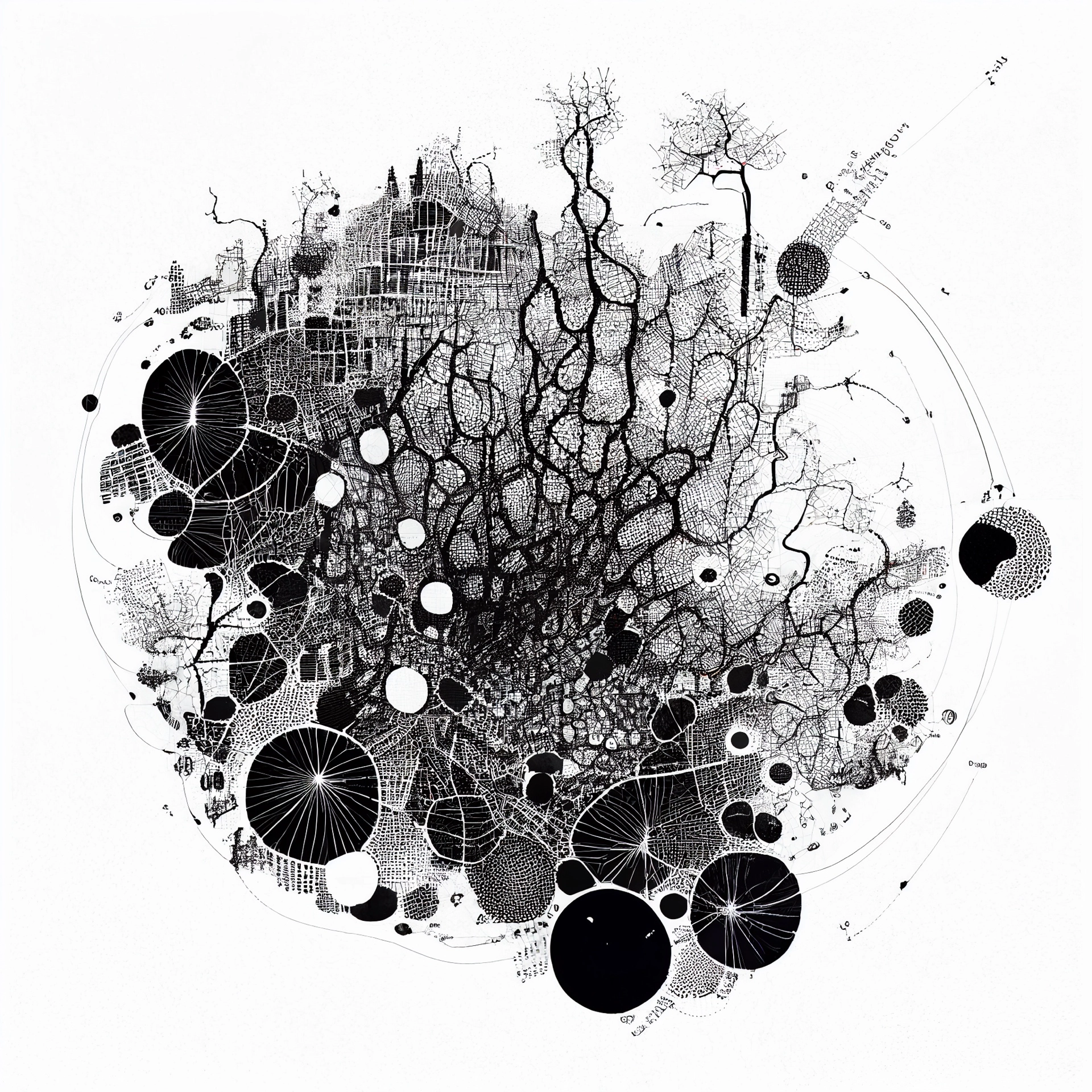
In my second year, my exhibit Data and the Athlete brought this material together and also sent me in a new direction. As I looked at this piece, the motion graphic on the left side evoked traditional data visualization, but the video on the right side felt more anthropoid, closer to the human experience. This was a transformative moment for me. I started to feel trapped in my data, and I also began to think deeply about what gives me joy in rowing. What fascinates me about the act of rowing is the feeling of synchronized movement, from the connection between people working together in a rhythmic flow to achieve a feeling of weightlessness. The skillful calibration of humans to create forward movement is the essence of rowing and, more broadly, is the essence of human collaboration. Data cannot capture this. Ursula Le Guin’s essay Telling is Listening spoke to what it means to find connection through synchronization and her writing guided me through my practice. Humans use movement to sync up with others in order to find connections and build relationships. We rely on entrainment as we get immersed in a motion or thought once we are in sync – we fall into time with each other without realizing it. Influenced by Le Guin, my research evolved into visual storytelling around synchronous calibration.


My senior thesis exhibition to calibrate included sound and video as forms of data visualization, exploring visceral data that we can hear, see, feel, or touch holistically. I also used the labor of synchronization within my own body as a visual metaphor for synchronization more generally. Rowers specialize on one side of the boat and inspired by the synchronization of left and right in rowing I began experimenting, writing with both hands simultaneously, trying to sync my left hand with my right while documenting my thoughts around synchronization and how it feels to be in and out of sync. The video installation of the left-hand annotation in comparison to the right gave a duality of perspective on the pursuit of calibration and synchronization.  
 
Through the development of my research, I have learned that data alone cannot tell a fully human narrative. Moving away from data and focusing on embodied experience allowed me to communicate the poetry of movement that data cannnot. I have allowed myself to incorporate complexity, humanity, and imperfection into my design practice, adapting to different visualization approaches.

All images: Corina Coughlan, 2023-2024