On March 10, the Mason Gross Design community welcomed Hilary Greenbaum, a New York–based creative director, designer, and writer who has led design and brand creative at the Whitney Museum of American Art since 2012. Prior to joining the Whitney, Greenbaum designed covers and feature stories for The New York Times Magazine and wrote the design column Who Made That?, which explored the overlooked designers behind everyday objects. Her work spans editorial design, institutional branding, exhibition graphics, and large-scale cultural campaigns.
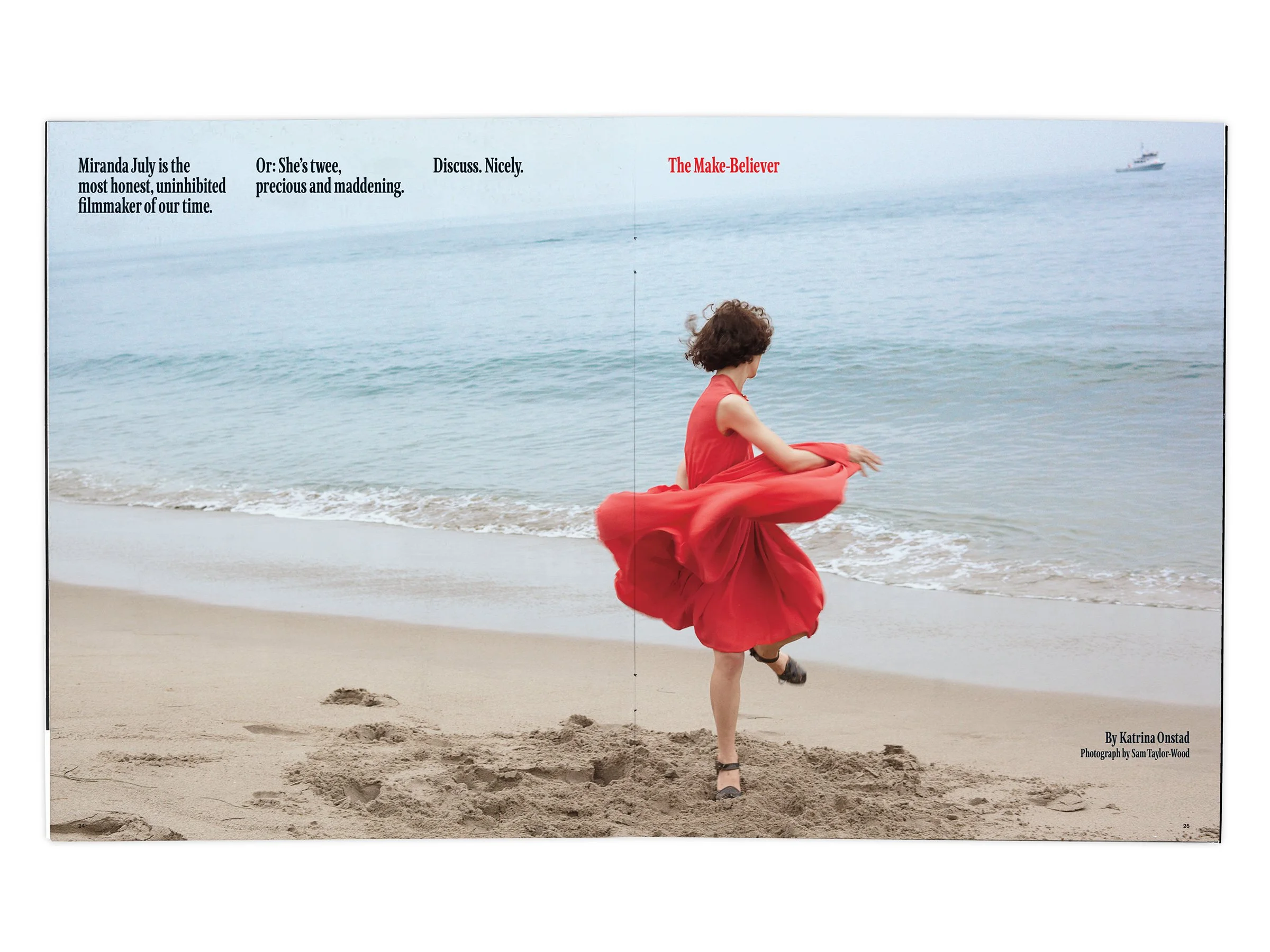
In her talk, Greenbaum traced the trajectory of her career, beginning with her upbringing in New Jersey and her early education in design. She reflected on the contrast between modernist design training, where designers are expected to function as neutral transmitters of information, and the more experimental approaches she later encountered in graduate school at CalArts. This tension between clarity and expression became a recurring theme in her practice.
One of the projects she discussed from this period was Wilshire by 8, a thesis project that challenged the idea that information design is neutral. The project mapped Wilshire Boulevard in Los Angeles eight different ways using eight personality perspectives derived from the Myers-Briggs framework. By translating psychological traits into visual mapping strategies, Greenbaum demonstrated how perspective shapes the way information is organized and understood.
After graduate school, Greenbaum moved to New York and began working in editorial and exhibition design, producing books and gallery catalogs for artists. She later joined The New York Times Magazine, where she worked on weekly covers and feature stories and helped design the annual Year in Ideas issue. During this time she also created the blog series Who Made That?, which investigated the designers behind familiar objects and eventually became a recurring column in the printed magazine.
In 2012, Greenbaum joined the Whitney Museum of American Art as Director of Graphic Design. At the Whitney, her role expanded from editorial storytelling to overseeing the visual identity of a major cultural institution. She described how her team works across departments—from marketing and exhibitions to digital platforms and retail—ensuring that the museum’s visual language remains consistent across hundreds of projects each year.
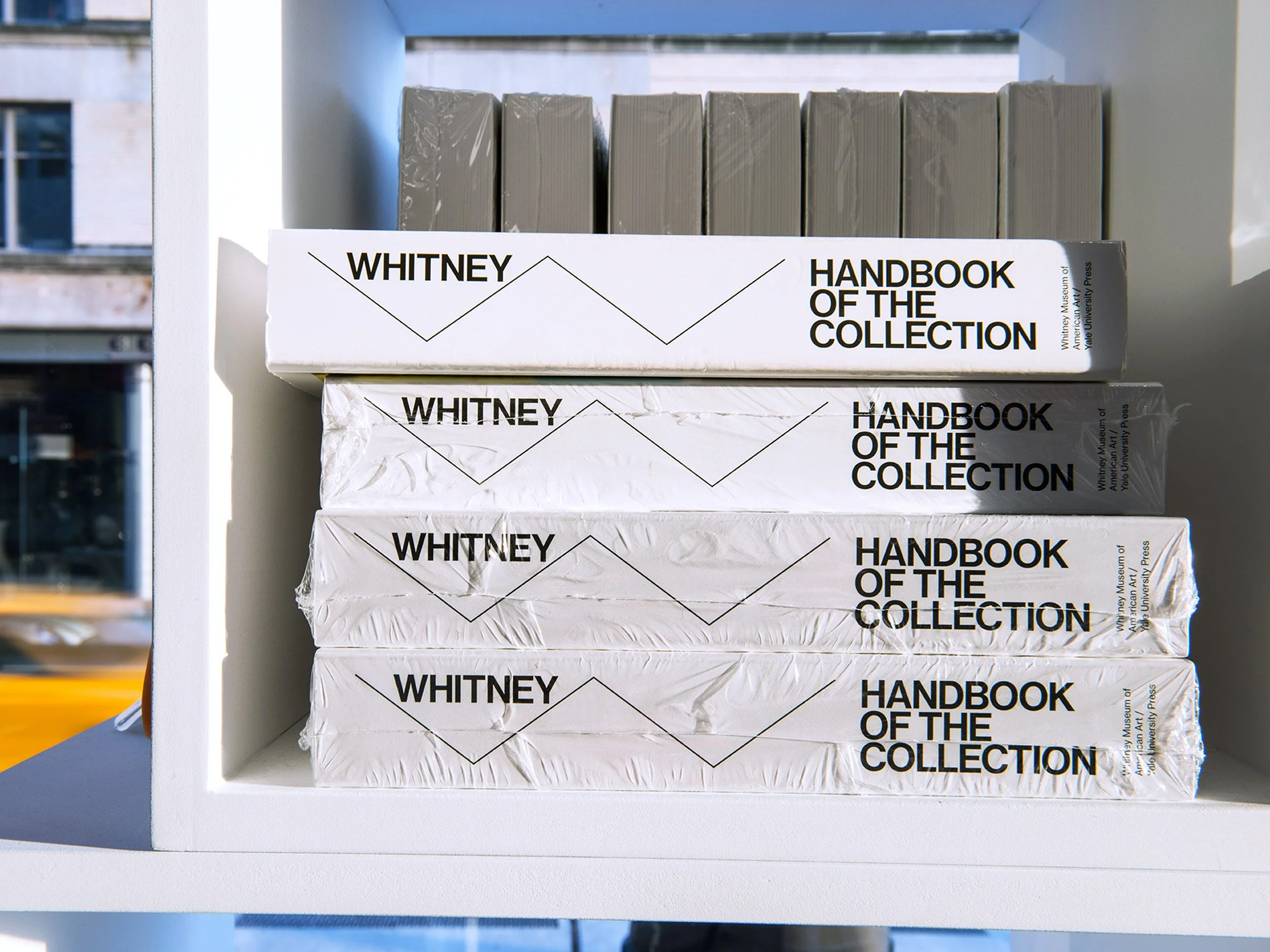
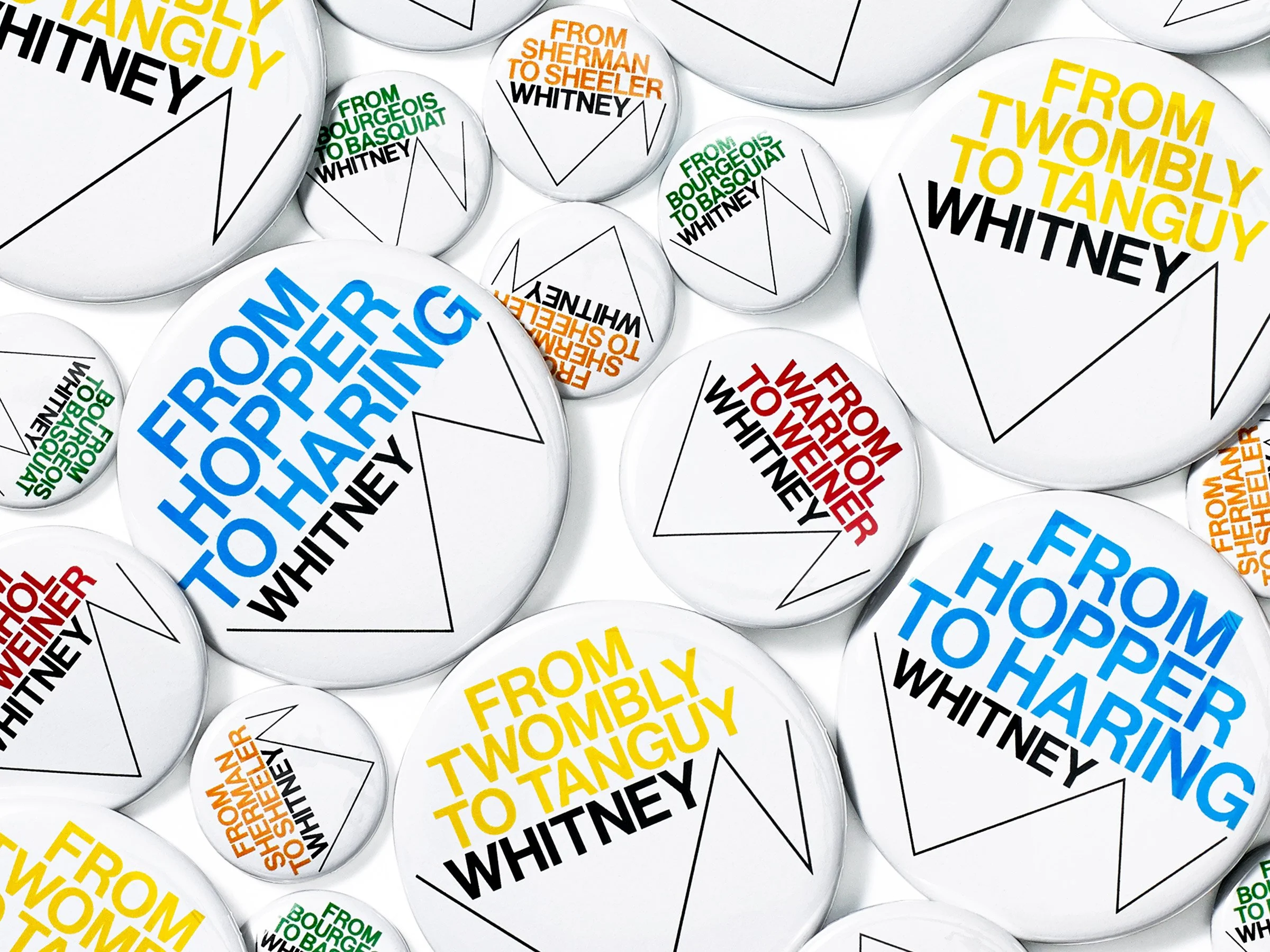
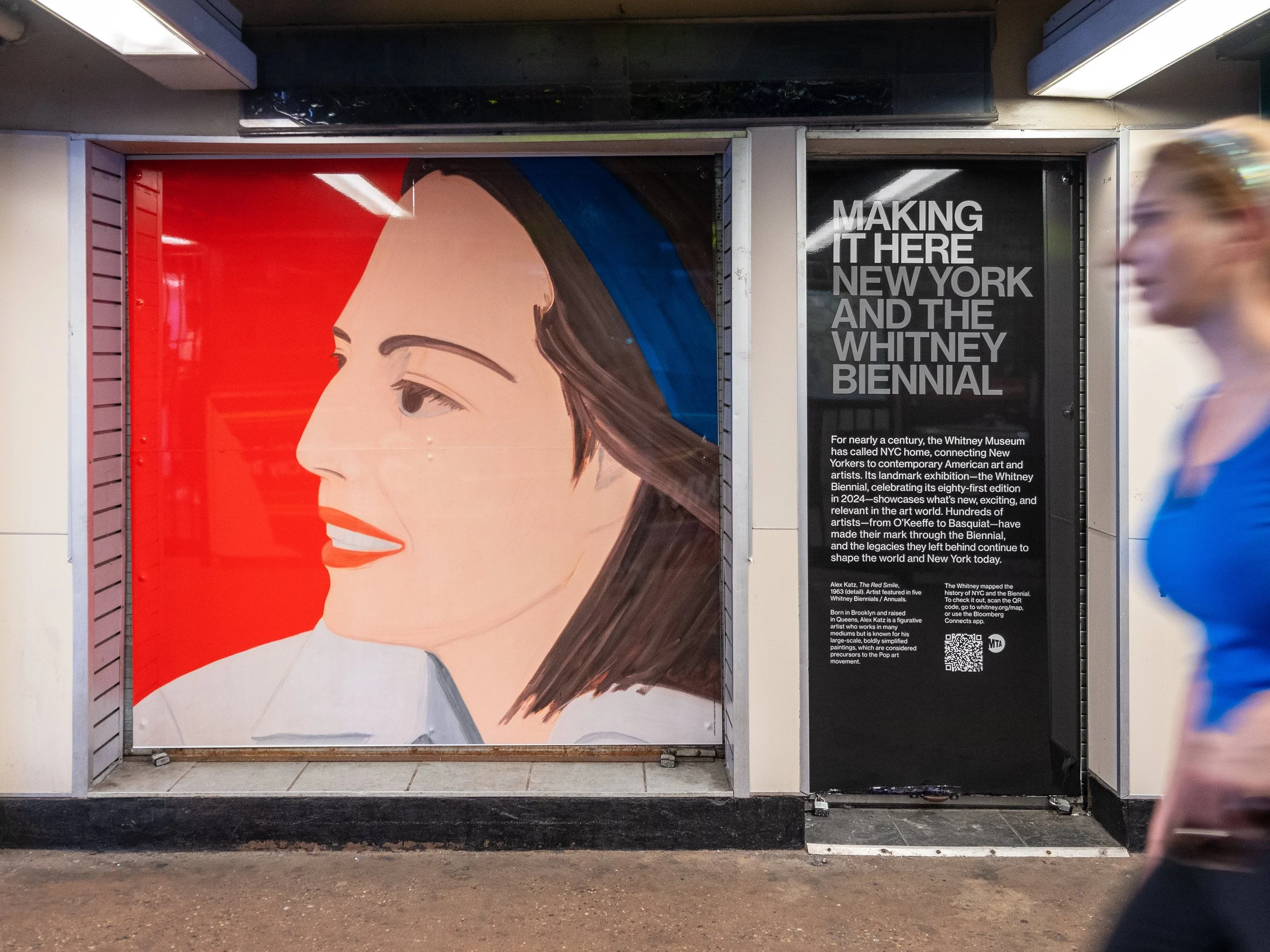
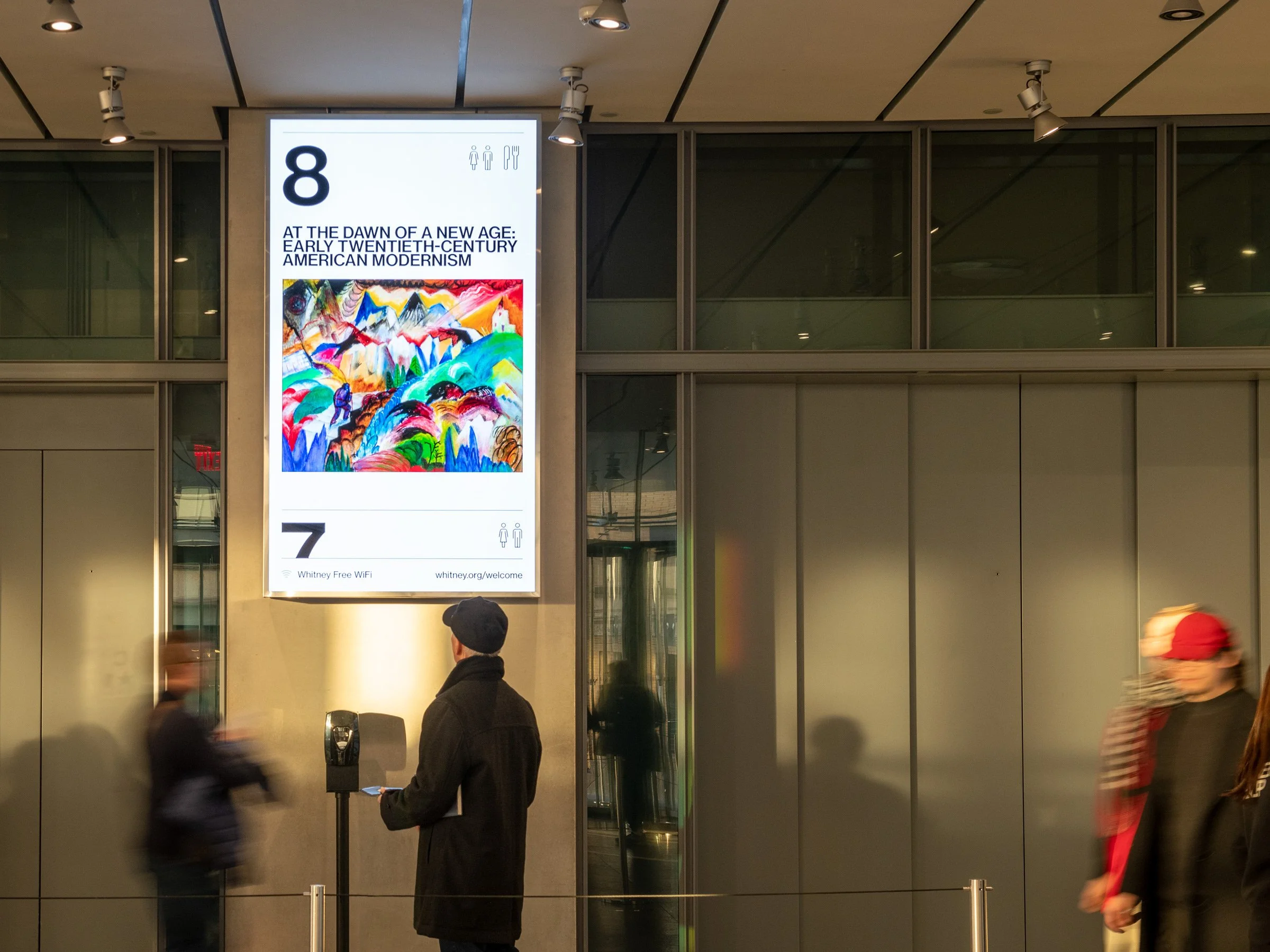
Central to the Whitney’s identity is the responsive W, a flexible logo system developed with the design studio Experimental Jetset. Rather than functioning as a fixed mark, the W adapts to the dimensions of the artwork or layout surrounding it. This approach reflects the museum’s mission to foreground artists and their work while allowing the institution’s identity to remain dynamic.
Greenbaum also shared examples of exhibition campaigns and graphic systems developed for shows at the museum, including projects that experimented with typography, color, and spatial graphics within the Whitney’s galleries. She discussed the challenge of designing the Whitney Biennial, an exhibition that often lacks finalized images during early promotion because many participating artists create new work specifically for the show. In response, her team developed flexible visual identities that can function both with and without artwork imagery.
Throughout the lecture, Greenbaum emphasized that design practice evolves through experimentation and adaptation. Moving between editorial publishing, journalism, and institutional design allowed her to develop a practice that balances systems thinking with creative interpretation.
She concluded by encouraging students to remain open to unexpected paths in their careers. Design, she suggested, is less about choosing a single discipline than about learning how to translate ideas across different contexts—whether that means designing a magazine spread, a museum identity, or the graphics that guide visitors through an exhibition space.