Ryan Stark Lilienthal, MGSA MFA in Design ‘2023
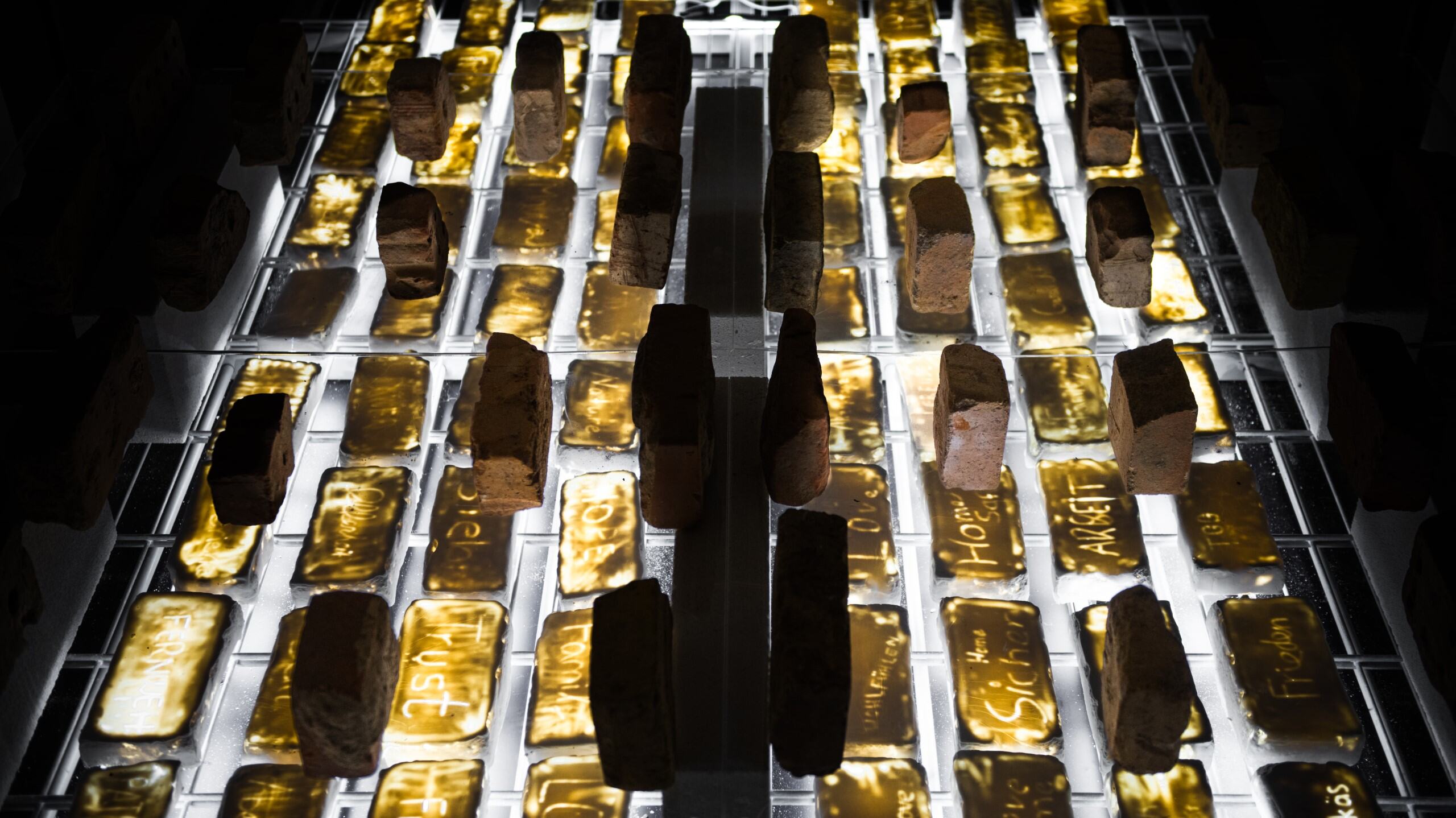
I recently returned from a two-month German-American Fulbright-funded installation project in Hesse, Germany conducted in collaboration with education science researchers at Goethe Universität Frankfurt am Main. The installation developed from my MGSA MFA Design thesis and sought to cultivate interconnectedness, empathy, and belonging by employing new thinking about participatory memory practices that bring people from diverse backgrounds together. I designed interactive workshops involving approximately 150 German high school and elementary school students from six different schools. Through the workshops, students created illuminated porcelain bricks that then formed collaborative memory sculptures. The installation Tonwerk (Clay Factory) was exhibited for a month at the Hessisches State Archive in Darmstadt. The project examined forced labor during the Holocaust at the Tonwerk Heppenheim factory, close to the schools. Many of the students, and some of their teachers, had no understanding of what transpired in their communities. Some students also participated in a memorial design competition, while others researched Aryanized property taken from families who were deported to concentration and extermination camps.
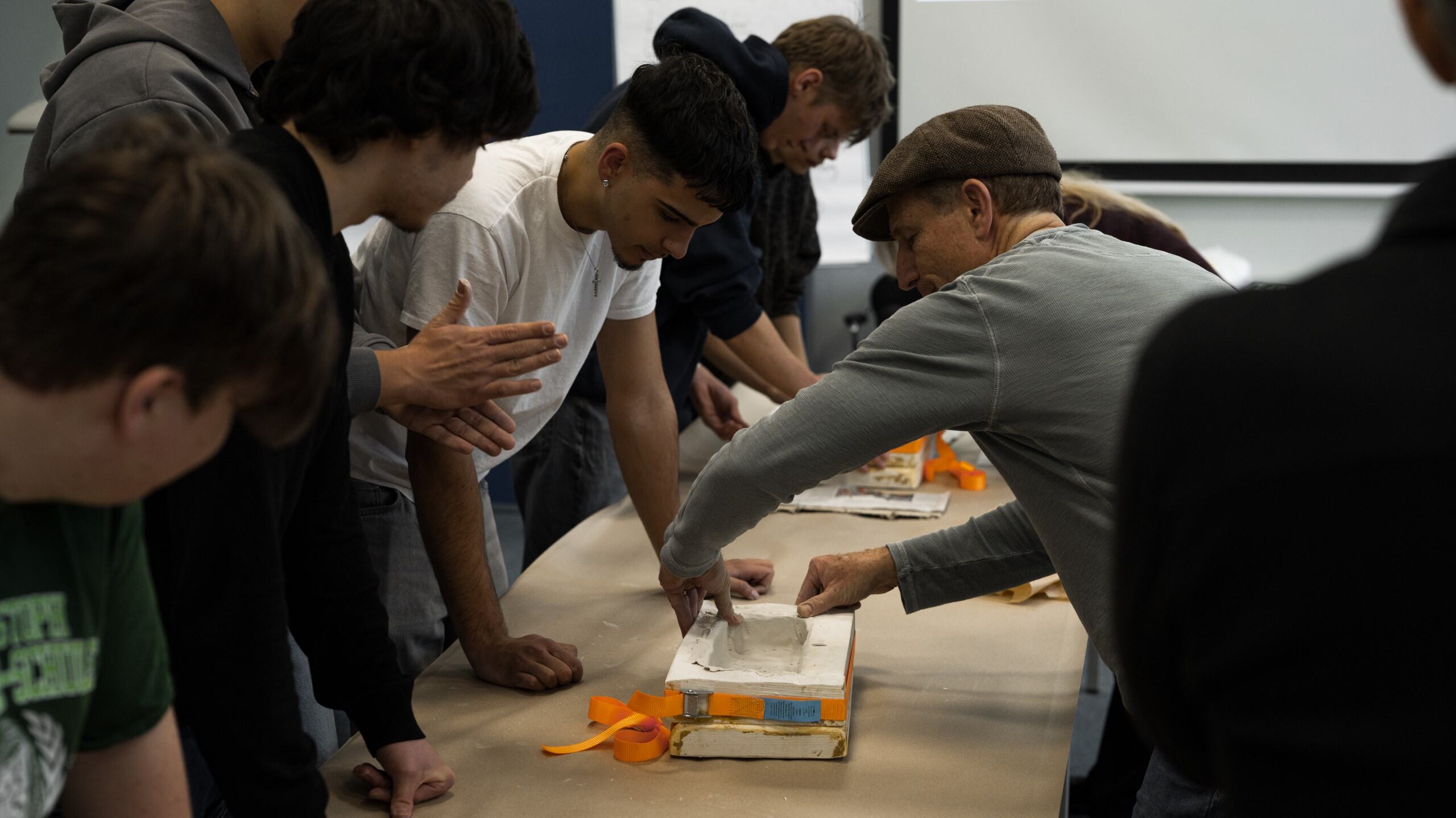
As its starting point, the installation drew inspiration from a 1990’s German high school student study into Tonwerk Heppenheim. In the process of extensively researching the abuse of forced laborers in producing ceramics, such as bricks, students cultivated an in-depth historical understanding of the Holocaust. I found the students’ research particularly meaningful, given that my grandmother’s uncle was one of the Tonwerk Heppenheim forced laborers before he was deported to Poland and murdered with his wife and son for being Jewish. With the earlier fact-based history project in mind, my intention in this participatory memory-based art installation sought to illuminate the emotional resonance that diverse communities can draw from the traumatic past of others. I realized during the study that the children of the immigrant and refugee communities in this region seemed particularly responsive to the project.
Memory studies scholars like Michael Rothberg, who explores multidirectional memory, encourage a shift from competing claims of victimhood between communities with traumatic pasts to learning from each other’s heritage of trauma. Similarly, Clint Smith in his 2022 study of Germany’s memory culture observes, “I learned that the way the country [Germany] remembers this genocide [the Holocaust] is the subject of ongoing debate—a debate that is highly relevant to fights about public memory taking place in the U.S.” (Smith, Clint, “Monuments to the Unthinkable: America still can’t figure out how to memorialize the sins of our history. What can we learn from Germany?”, The Atlantic, vol. 330, no. 5, 2022, pp. 22-41.)
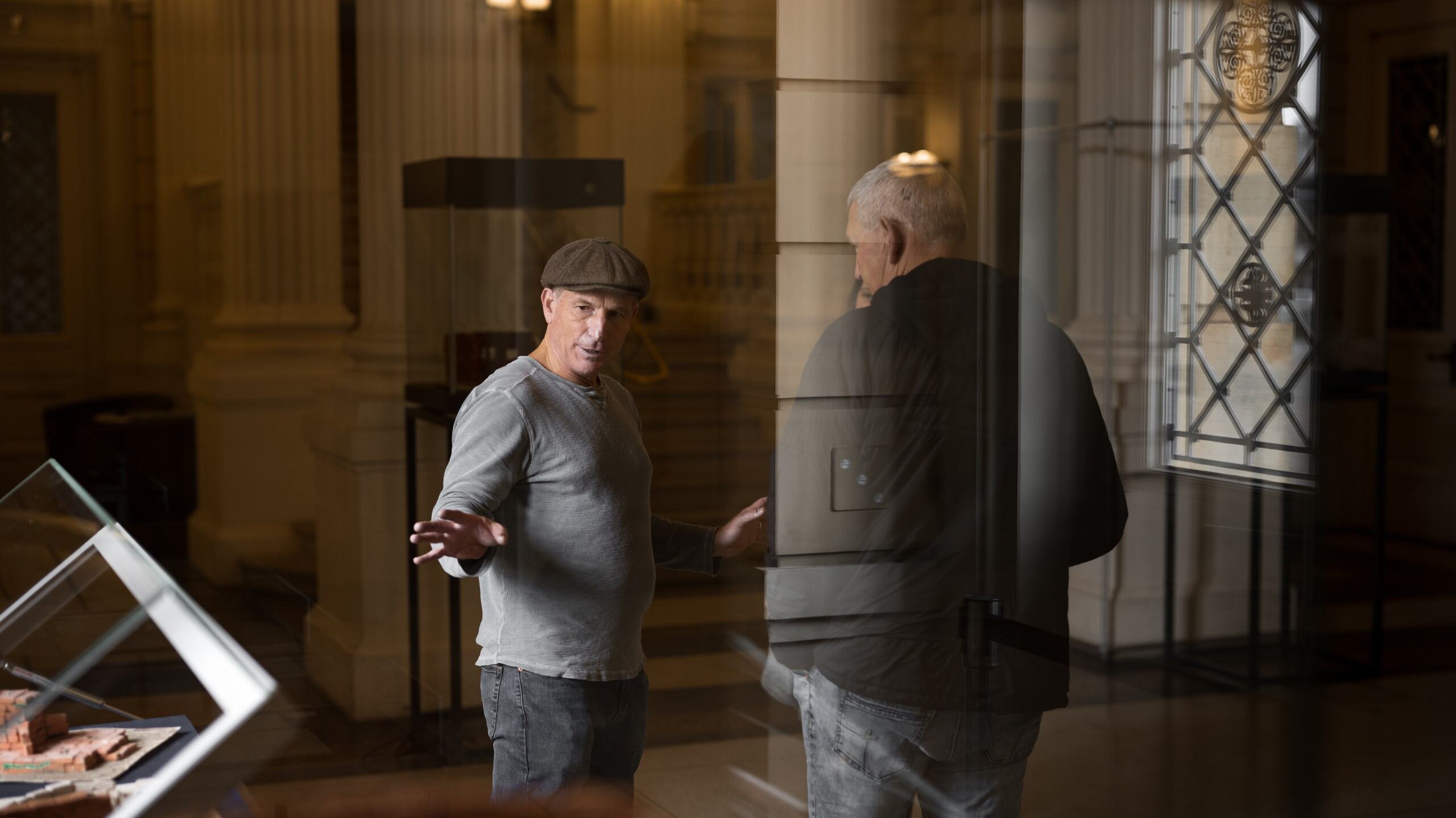
The results of this project will further guide my own art and design practice and will hopefully elucidate and advance approaches to participatory memory practices and multidirectional memory used by others. Significant takeaways included the students’ attentive engagement in Holocaust memory work through non-traditional, tactile learning using clay to shape a purposeful remembrance experience. This qualitative observation applied equally across gender and age, from first-grade students to ninth through thirteenth-grade students–including Hauptschule, Realschule, and Gymnasium students. What’s more, native-born German students as well as refugee and immigrant students shared positive reflections on the meaning of the project to their own lives.
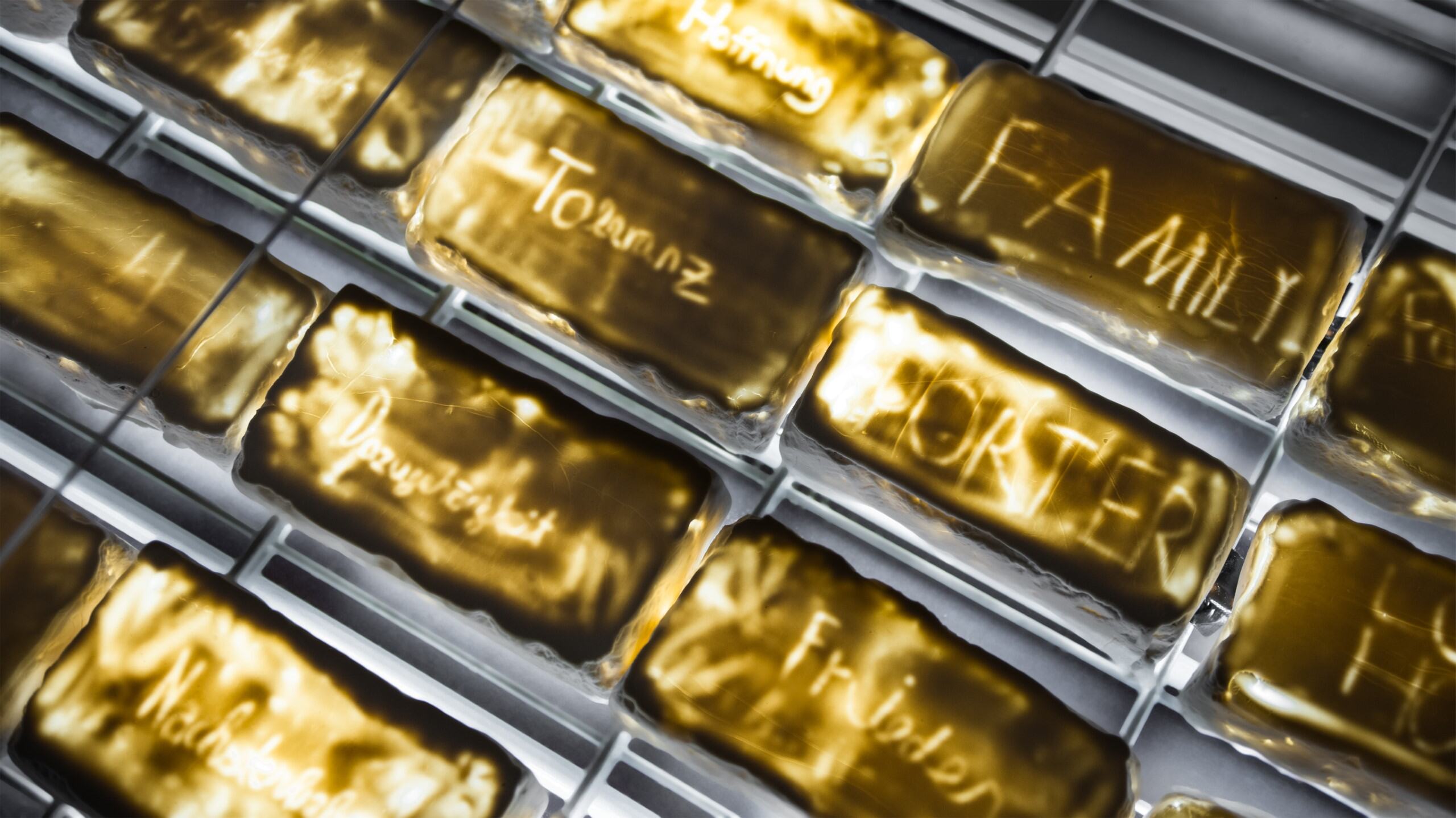
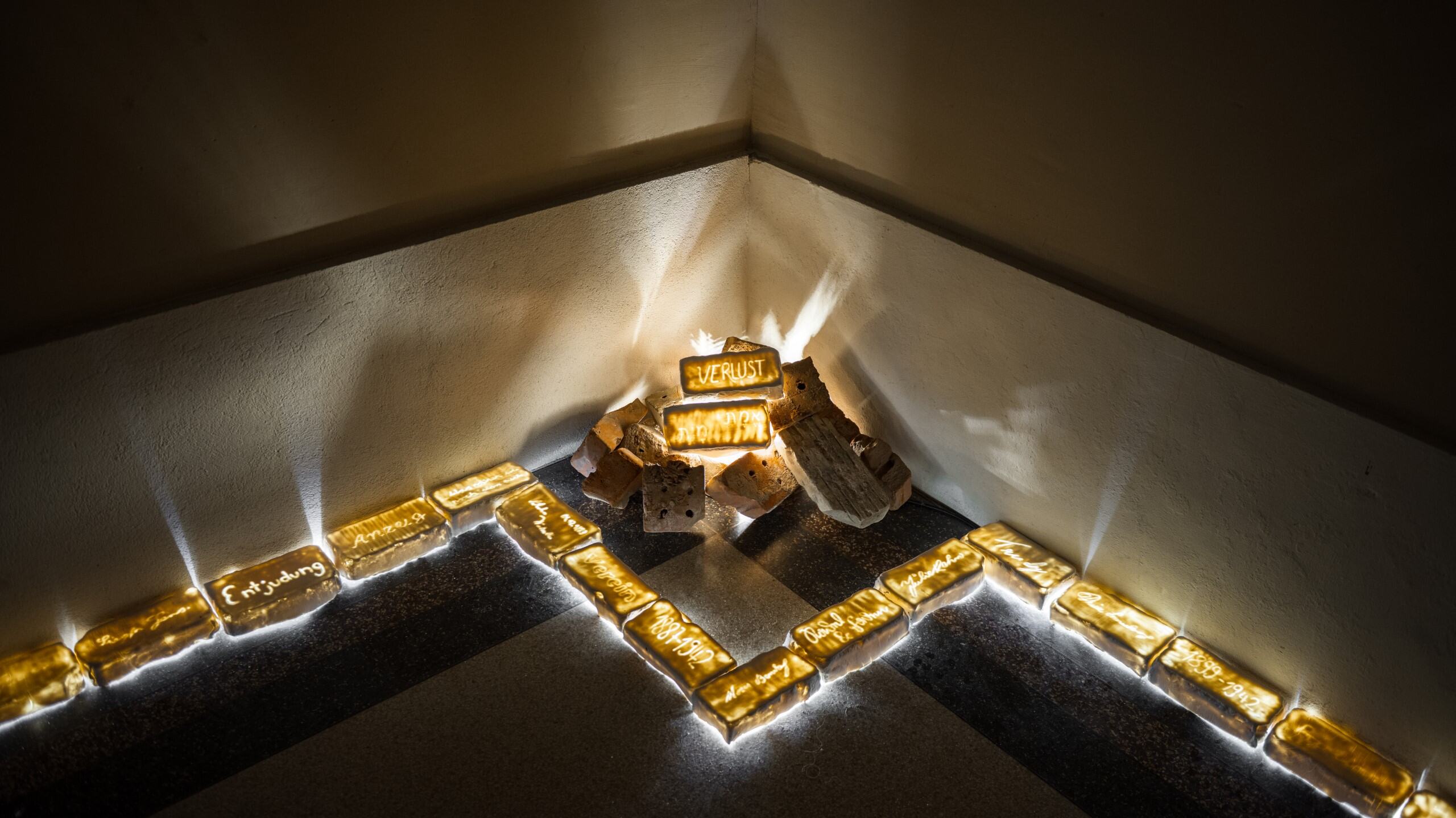
Gratefully, I am participating in the upcoming Art Against Racism group exhibition, “Freedoms Reframed: Art on the Edge of the Constitution,” at the William Trenton House in Trenton, New Jersey, from June 13 to July 12, 2026. In this exhibit, I hope to bring lessons learned in Germany to help illuminate through art and design the freedom lost in the shadow of our Constitution.
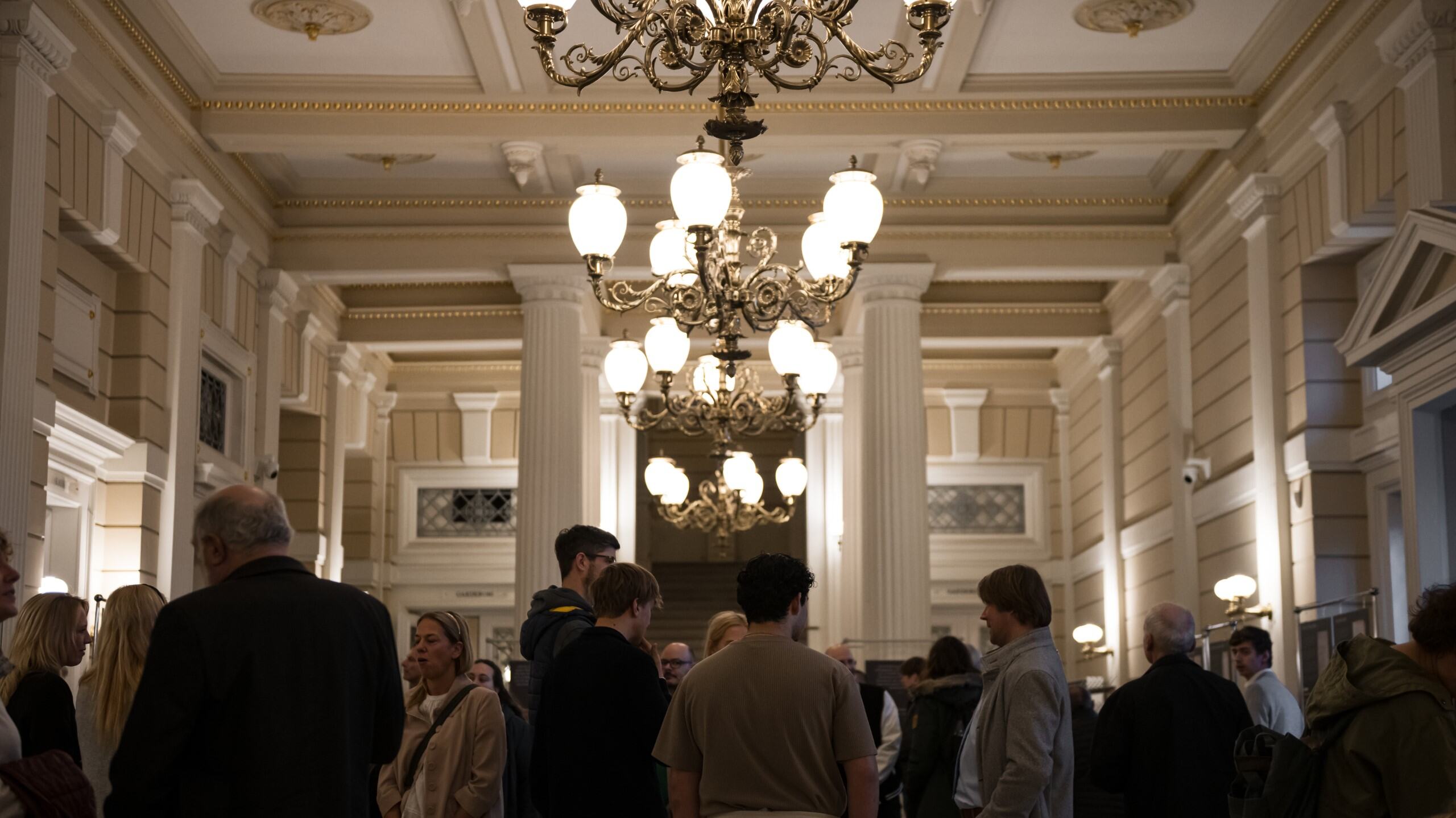
All photographs by Konstanin Weber © HLA. Hessisches Staatsarchiv Darmstadt.